 Ultimate guide
7 Termite Warning Signs Every Homeowner Should Know
Last Updated: November 1, 2026
Quick Summary
The clearest termite warning signs are mud tubes on walls or foundations, hollow-sounding timber, bubbling or rippled paint, discarded wings near windows, and frass that looks like fine sawdust. Any one of these warrants a professional inspection rather than a wait-and-see approach. Do not spray a suspected termite trail with household insecticide, as it scatters the colony and destroys the evidence an inspector needs.
- Call a professional inspection when your property has not been inspected in over 12 months or when you are buying a home.
- Termite treatment falls into two broad approaches: chemical soil barriers and baiting systems, and neither is universally better.
- Chemical barriers can be breached by excavation, landscaping, paving, retaining walls, plumbing work or soil movement.
- Baiting systems depend entirely on the monitoring cycle being kept, and missed checks reduce effectiveness.
- For most homes, annually is the sensible inspection baseline, and more often in high-pressure areas.
Table of Contents
- Why Termites Are a Bigger Threat Than Most Homeowners Realise
- Signs of Termites: What to Look For Before Damage Spreads
- Termite Inspection Cost: What Affects the Quote
- Termite Treatment Options Compared
- How Long Does Termite Treatment Last?
- Termite Prevention: Steps That Actually Protect Your Property
- Residential and Commercial Pest Control: What Changes at Scale
- Book a Termite Inspection With Challenge Pest Control
- Frequently Asked Questions
Why Termites Are a Bigger Threat Than Most Homeowners Realise
Termites can cause serious damage to Australian homes, and that damage is often overlooked until it is well advanced.
That is the uncomfortable truth about pest control and termite management. Termites do not announce themselves. They eat timber from the inside out, leave the paint intact, and retreat when disturbed.
The good news? Early detection makes a real difference. Below, we break down the common warning signs worth acting on, what affects the cost of an inspection, how the main treatment options compare, and how long protection typically lasts.
Signs of Termites: What to Look For Before Damage Spreads
The clearest signs of termites are mud tubes on walls or foundations, hollow-sounding timber, bubbling or rippled paint, discarded wings near windows, and frass that looks like fine sawdust. Any one of these warrants a professional inspection, not a wait-and-see approach.
Mud Tubes, Hollow Timber and Other Visible Clues
Termites build shelter tubes from soil, saliva and digested timber to travel above ground without drying out. Check along foundations, fence lines, garages and subfloor areas. Tap timber with a screwdriver handle: a dull, papery sound where solid timber should be is a red flag.
Other clues worth knowing:
- Bubbling or rippled paint that looks like water damage but is not
- Discarded wings on windowsills after a swarm, often the first thing homeowners spot
- Frass resembling fine sawdust or coffee grounds near timber
- Sagging doors or floors as structural timber weakens
- Tight-fitting doors and windows that suddenly stick
Watch out: do not spray a suspected termite trail with household insecticide. It kills the workers you can see, the colony retreats deeper, and you lose the evidence an inspector needs to locate the nest.
When to Call a Professional Inspection
Call a professional inspection when you spot any of the signs above, when your property has not been inspected in over 12 months, or when you are buying a home. Termite identification is genuinely difficult: several wood-damaging pests look similar, and the treatment for each differs completely.
If you are checking your own home right now, our guide on how to inspect your home for termites step by step walks through the same sequence our technicians follow.
Termite Inspection Cost: What Affects the Quote
Termite inspection cost depends on several factors, and pricing depends on the specifics of each property. For the detailed cost breakdown behind these factors, see our guide to termite inspection costs. For current prices or a quote, contact Challenge Pest Control directly.
Here is how we would assess a property:
| Factor | What It Changes | Impact on Quote |
|---|---|---|
| Property size | Number of inspection points and time on site | Larger homes take longer |
| Construction type | Slab-on-ground vs raised floor access | Limited access needs more equipment |
| Existing devices | Bait stations or monitoring already fitted | Re-inspection is quicker |
| Access conditions | Subfloor clearance, roof void, obstructions | Poor access adds labour |
| Purpose | Pre-purchase vs routine annual check | Pre-purchase reports are more detailed |
Challenge Pest Control offers free quotes and free advice, so you can ask for a quote before booking.
Termite Treatment Options Compared
Termite treatment generally falls into two broad approaches: chemical soil barriers, and baiting systems. Neither is universally better, and the right choice depends on the property and how much ongoing management is wanted. Your inspector can advise which approach suits your home.
Chemical Soil Barriers and Termiticides
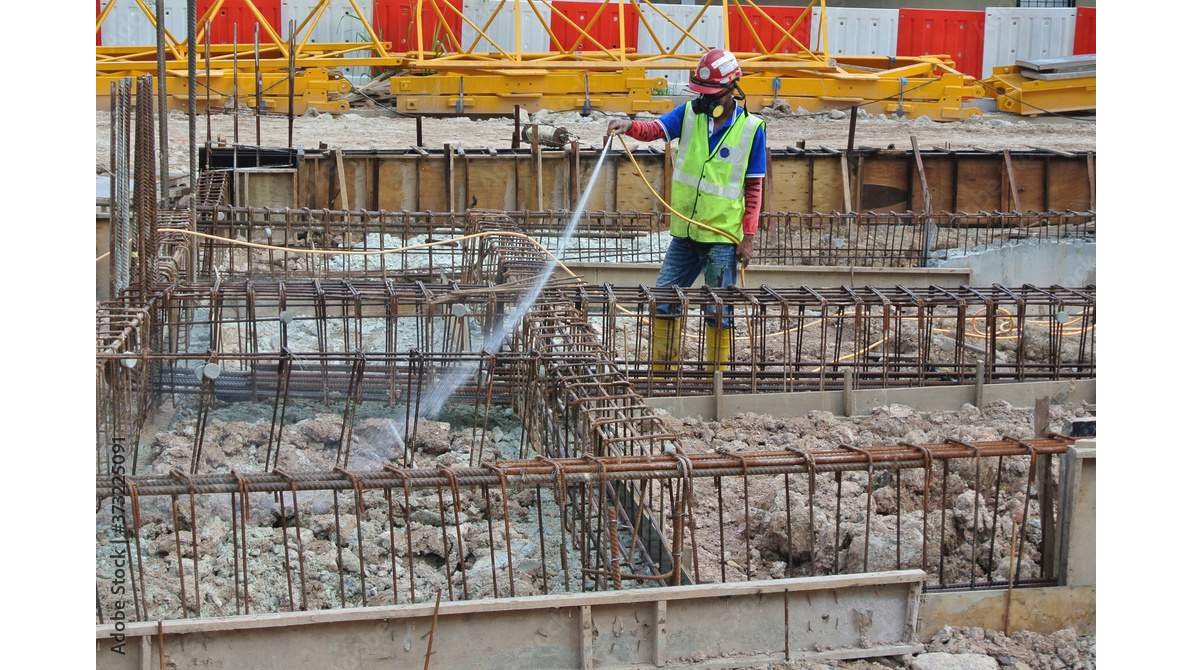
A chemical soil barrier applies termiticide to the soil around and beneath the foundation, creating a treated zone termites cannot cross undetected. For a deeper comparison of chemical vs physical termite barriers, read our full explanation.
How it works: The termiticide bonds to soil particles and remains active in the treated zone.
Limitations: The barrier can be breached by excavation, landscaping, paving, retaining walls, plumbing work or soil movement.
Disruption: Moderate. Installation involves drilling and injecting around the perimeter, and occupants usually need to stay off treated areas for a period set by the product label.
Baiting Systems and Follow-Up Inspections
Baiting places monitoring stations around the property. To compare specific system options for local homes, see our guide to the best termite baiting systems for Perth homes.
How it works: Stations are installed in the soil at intervals around the structure.
Limitations: Baiting does not create a barrier, it works by interception and colony control. It depends entirely on the monitoring cycle being kept. Missed checks reduce effectiveness, and the system requires ongoing replenishment.
Disruption: Low. Stations sit in the ground, and routine checks are non-invasive.
Localised and Physical Treatments
Localised treatment covers a range of targeted options: foam or dust applied into an active gallery, removal and replacement of damaged timber, and physical barriers such as stainless steel mesh or graded stone installed at construction.
Where it suits: Confirmed active infestations in a defined area, and new builds where a physical barrier can be installed before the slab or along the perimeter.
Limitations: Localised treatment addresses what has been found, not the whole structure. It is usually combined with a barrier or baiting program. Physical barriers are difficult and expensive to retrofit.
Choosing Between Them
A practical way to decide is to consider a few questions: whether there is an active infestation, how accessible the soil around the structure is, how much ongoing involvement you want, and what the construction of the home is. Your inspector can help you weigh these.
How Long Does Termite Treatment Last?
How long protection lasts depends on the treatment method and the property. Your inspector can advise on the expected protection period for your home.
What matters more is the inspection schedule attached to it. Regular inspections help catch problems early. A treatment without follow-up is a false sense of security.
If you are planning ongoing cover, our guide to annual termite protection for homes covers renewal timing and what a maintenance plan should include.
Termite Prevention: Steps That Actually Protect Your Property
Prevention is generally more effective than treatment. Reducing moisture against the slab, keeping timber and firewood away from walls, fixing leaks promptly, and ensuring drainage runs away from the building all help reduce termite risk.
Termite prevention is largely about removing the conditions termites love: damp soil, timber-to-soil contact and hidden access. Clear subfloor vents, trim vegetation back from the walls, and store cardboard and stored goods off concrete floors.
Reduce Moisture and Timber-to-Soil Contact
Termites need moisture and a food source. Most preventive work is about breaking one of those links.
- Drainage: Direct downpipes and surface water away from the footings. Pooled water against the slab keeps the soil damp and attractive.
- Leaks: Fix dripping taps, split hoses and leaking gutters promptly. A slow leak behind a wall can create a concealed moisture trail.
- Subfloor ventilation: Keep vents clear and unobstructed. Poor airflow under a raised floor keeps timber damp.
- Timber contact: Remove sleepers, stumps, formwork and offcuts buried against the structure. Do not stack firewood against the house.
- Gardens and mulch: Keep mulch and soil below the damp-proof course and avoid piling them against weatherboards or brickwork.
- Storage: Store cardboard, paper and timber off concrete floors and away from walls in garages and sheds.
Keep the Structure Inspectable
Prevention only works if you can see what is happening. Leave clear access to the subfloor, roof void and perimeter. Avoid sealing over inspection points, and do not pave or landscape over the line of a chemical barrier without understanding the effect.
Set an Inspection Schedule
For most homes, annually is the sensible baseline, and more often in high-pressure areas. A workable schedule looks like this:
- Every 6-12 months: a professional termite inspection, with the interval set by your property's risk.
- Every 12 months: a barrier or baiting system check, if one is installed.
- After major works: re-inspect following renovations, landscaping, paving, retaining walls or plumbing that disturbs soil near the structure.
- Before purchase: a pre-purchase inspection, regardless of the seller's records.
Maintain the Protection You Have
A treatment without follow-up is a false sense of security. Keep the paperwork, the inspection report, the treatment certificate and any warranty terms, and diarise the next check. If activity returns, report it promptly and follow the retreatment conditions in your warranty rather than treating it yourself.
If you are planning ongoing cover, our guide to annual termite protection for homes covers renewal timing and what a maintenance plan should include.
Residential and Commercial Pest Control: What Changes at Scale
Residential pest control focuses on one dwelling and one family. Commercial pest control adds compliance obligations: food safety standards, hygiene audits, record keeping and minimal disruption to operations. The pests are similar; the accountability is not.
Property managers and strata companies face a third scenario. Multiple units mean shared risk, and one untreated infestation can spread across a building. A scheduled program with documented reports protects the whole portfolio rather than patching individual complaints.
Book a Termite Inspection With Challenge Pest Control
Every week you wait is another week a colony works undetected. If any termite warning signs sound familiar, the cheapest move you can make is a proper inspection before damage spreads into structural timber.
Challenge Pest Control has protected homes and businesses around Perth since 1987, with all work guaranteed and fully insured under Public Health Licence 401. We offer 24/7 availability for emergencies, free quotes and free advice, and pensioner discounts for eligible clients. Call us on 0422 926 291 to book today.
Frequently Asked Questions
What are the signs of termites in a house?
The most common signs of termites include mud tubes on walls, foundations or piers, hollow-sounding timber when tapped, bubbling or rippled paint, and discarded wings near windows or doors. You may also notice tight-fitting doors or windows that suddenly stick, or small piles of frass. Any one of these warrants a professional inspection, because termites work from the inside out and visible damage often means the colony has been active for some time.
How much does a termite inspection cost?
Termite inspection cost depends on the specifics of each property, and pricing depends on those details. Challenge Pest Control offers free quotes and free advice, so you can get a clear figure before booking.
How long does termite treatment last?
How long termite treatment lasts depends on the method and the property. Regular inspections help catch problems early, and your inspector can advise on the expected protection period for your home.
Should I treat termites myself or call a professional?
DIY sprays and surface treatments rarely reach the colony and can scatter termites to other parts of the building, making the problem harder to trace. A licensed professional can identify the species, locate the nest, and choose a treatment that suits the construction and soil type. In many cases, building and insurance requirements also call for documented professional inspections and treatments, which a DIY approach cannot provide.
Termites will not wait for a convenient moment. Get a free quote from Challenge Pest Control, have your property inspected properly, and put a guaranteed protection plan in place before the damage becomes a repair bill.