 Ultimate guide
Weeds Toxic to Livestock: Identification & Risk Guide
Table of Contents
- Why Weeds Toxic to Livestock Matter on Your Property
- Cape Tulip Identification and Toxicity
- Paterson's Curse Livestock Poisoning: Recognition and Risks
- Cotton Bush Identification and Toxicity
- Other Dangerous Weeds: Nightshades, Lupines and Hemlock
- Safe Weed Control Around Livestock
- Emergency Response: What to Do If Livestock Ingests a Poisonous Weed
- Frequently Asked Questions
Last Updated: October 12, 2026
Why Weeds Toxic to Livestock Matter on Your Property
Poisonous plants are one of the most underestimated threats to livestock on pasture or paddocks. A single toxic weed can poison cattle, horses, sheep or goats without warning, and by the time symptoms appear, serious damage may already be done. Weeds toxic to livestock thrive in paddocks, garden beds, driveways and lawns across the region, often going unnoticed until an animal falls ill.
The real problem isn't that these plants are rare or hard to spot. It's that many property owners don't recognise them until it's too late. At Challenge Pest Control, we help homeowners and commercial clients identify and safely remove weeds toxic to livestock before they cause harm.
This guide covers the most dangerous weeds toxic to livestock in the region, how to identify each one, and what to do if your animals have already been exposed, focusing on Cape Tulip, Paterson's Curse and Cotton Bush, plus other serious threats.
Cape Tulip Identification and Toxicity
Cape Tulip (Moraea species) is a declared pest plant in Western Australia and one of the most dangerous bulbs livestock can encounter.
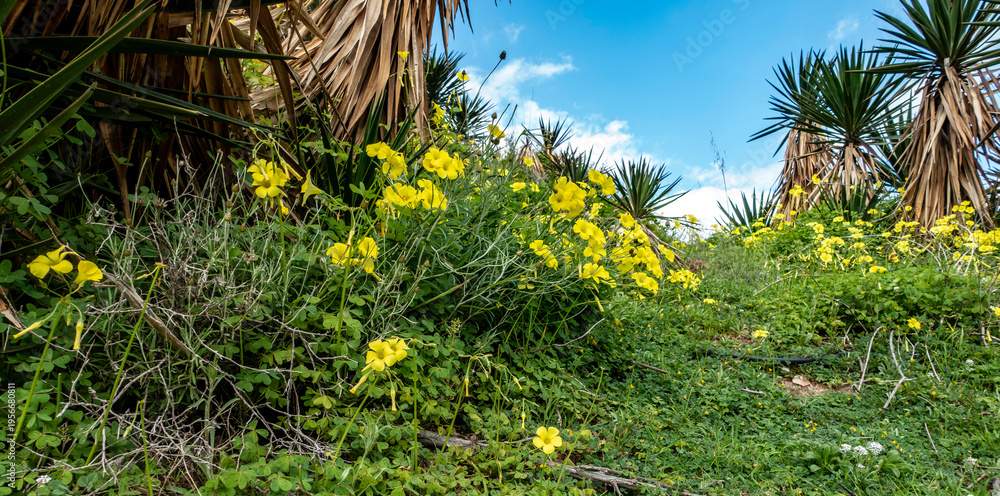
How to identify it
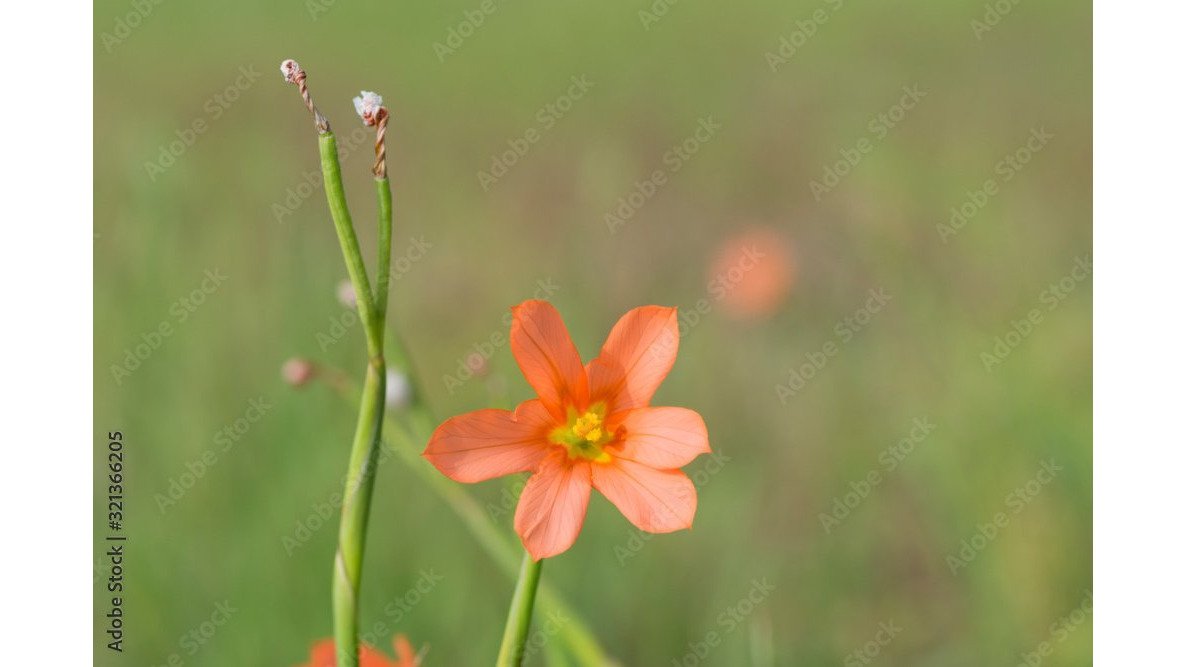
- Flowers: Salmon-pink to orange, six-petalled, opening in spring (roughly August to October). One-leaf Cape Tulip flowers are usually a single bloom per stem; Two-leaf Cape Tulip produces clusters of smaller flowers.
- Leaves: Long, narrow, strap-like and often twisted. One-leaf Cape Tulip has a single leaf; Two-leaf Cape Tulip has two or three.
- Bulb: A small, white-fleshed corm sitting shallow in the soil, surrounded by a fibrous tunic. This is the most toxic part and the hardest to remove.
- Lookalikes: At a glance, the leaves resemble native grasses or young lilies. The flower is the reliable identifier, so walk paddocks in late winter and early spring before stock are moved onto suspect areas.
Why it is dangerous
All parts contain toxic compounds, but the corm carries the highest concentration. The toxin is a cardiac glycoside-like compound that disrupts heart function and irritates the gut.
Species-specific risk
- Cattle and horses: Highly susceptible. Even small amounts of corm or leaf material can cause sudden death, often with few warning signs.
- Sheep: More tolerant than cattle, which is why sheep have historically been used to graze Cape Tulip-infested paddocks under strict management. Tolerance is not immunity, and hungry sheep on sparse pasture can still be poisoned.
- Goats: Limited reliable data, but treat as susceptible.
Signs of poisoning
Early signs include loss of appetite, drooling, abdominal pain, diarrhoea and a staggering gait. As the toxin affects the heart, animals may show a weak, irregular pulse, cold extremities and collapse.
Where you will find it
Cape Tulip favours winter-wet areas, drains, swamp margins and overgrazed or cultivated paddocks. In the south-west of Western Australia it is a persistent problem on both small holdings and broadacre properties.
Control essentials
Hand-digging suits small infestations, but every corm must be removed and bagged.
Paterson's Curse Livestock Poisoning: Recognition and Risks
Paterson's Curse is a hairy, bristly plant with purple-blue flowers that bloom from spring through summer. It grows 30-90 centimetres tall and spreads rapidly across pasture and disturbed ground. All parts contain alkaloid compounds that damage the liver when ingested.
Weeds toxic to livestock like Paterson's Curse cause cumulative poisoning, animals don't need to eat large amounts at once. Repeated grazing over weeks or months leads to liver damage, weight loss, depression and eventually organ failure.
The danger lies in how readily livestock eat Paterson's Curse, especially when other pasture is limited. Horses are particularly vulnerable, and young leaves are more palatable than older plants, so spring grazing carries higher risk.
Safe removal requires either mechanical control (digging out plants before seed set) or targeted herbicide. Never graze treated areas, and destroy hay or silage contaminated with Paterson's Curse rather than feeding it to any animal.
Cotton Bush Identification and Toxicity
Cotton Bush is a woody shrub growing 1-2 metres tall with soft, pale green leaves and white, fluffy seed pods resembling cotton. It produces small yellow flowers before the characteristic seed heads form. All parts are poisonous to livestock, with the seed pods and leaves containing the highest toxin concentration.
Cotton Bush poisoning causes neurological effects including tremors, loss of coordination, weakness and paralysis, plus gastrointestinal signs such as constipation followed by diarrhoea. Poisoning typically develops over several days. Sheep and goats are more susceptible than cattle, though all species are at risk.
Cotton Bush thrives in dry pastures and disturbed areas. It is often overlooked because it looks innocuous, but livestock readily eat the leaves and seed pods. Physical removal by cutting and digging is most effective: pull young plants by hand when soil is moist, and cut larger shrubs below ground level to prevent regrowth.
Other Dangerous Weeds: Nightshades, Lupines and Hemlock
Several other weeds toxic to livestock present serious risks. Nightshade species (including Black Nightshade and Silverleaf Nightshade) produce toxic alkaloids in all parts, especially the unripe berries. Livestock ingesting nightshade develop gastrointestinal irritation, salivation, weakness and tremors.
Lupines (including native species) contain alkaloids that cause neurological poisoning. Affected animals show weakness, loss of coordination, tremors and sometimes paralysis. Lupines are most dangerous during early growth when leaves are tender and palatable, and horses are particularly vulnerable.
Hemlock species (Water Hemlock and Poison Hemlock) are extremely toxic even in small quantities. All parts contain alkaloid toxins, and even dried hemlock in hay can poison livestock. Animals develop tremors, excessive salivation, dilated pupils, weakness and potentially fatal seizures.
These plants share common features: they grow in disturbed ground, produce distinctive flowers or seed heads, and are unpalatable only until animals become desperate or unfamiliar with them. Safe grazing management means removing these weeds before livestock access the area.
Safe Weed Control Around Livestock
Removing weeds toxic to livestock requires careful planning to protect your animals during and after treatment. The safest approach combines physical removal, strategic grazing management and targeted intervention where necessary.
Physical removal is safest when feasible. Dig out plants including all roots and bulbs, then dispose of material in a sealed bin or by burning (where permitted).
Grazing management reduces exposure while you work on removal. Move livestock away from infested areas, maintain pasture quality to reduce their motivation to eat unpalatable plants, and inspect paddocks regularly for new growth.
Hay and silage safety is critical because dried toxic plants may be eaten more readily and poisoning can occur without obvious plant material visible.
For large infestations or persistent problems, professional weed control services can help. Challenge Pest Control offers targeted weed eradication designed to protect livestock and eliminate toxic plant populations.
Emergency Response: What to Do If Livestock Ingests a Poisonous Weed
Most poisoning guides stop at 'call your vet'. In practice, the first thirty minutes determine whether the vet can make a diagnosis and whether the rest of the mob is at risk. Follow this triage sequence when you suspect toxic weed exposure.
Step 1: Stop exposure immediately
- Remove all livestock from the suspect paddock and move them to a known-safe pasture or holding yard with clean water.
- Do not let unaffected animals 'graze it out' while you decide, because many toxic weeds are palatable when pasture is short.
- If hay or silage is the suspected source, withdraw the batch and keep a sample.
Step 2: Identify what was eaten
- Collect a whole plant sample, including roots, bulbs or corms where possible, not just leaves. For Cape Tulip, the corm is diagnostic; for Paterson's Curse, include flowers and seed heads; for Cotton Bush, include leaves and pods.
- Place the sample in a paper bag or between sheets of newspaper. Do not seal wet plant material in plastic, as it rots and becomes unidentifiable.
- Photograph the plant in situ before pulling it, and note the paddock, date and roughly how much the animal may have eaten.
- If the animal has vomited or passed plant material, collect that too.
Step 3: Call a veterinarian and give a structured report
Have the following ready before you dial:
- Species, age and approximate weight of affected animals.
- Number affected versus number exposed.
- Time since suspected ingestion.
- Symptoms observed and when they started.
- The plant sample identification, or a clear description if you are unsure.
- Whether the animal is pregnant, lactating or recently transported.
Your vet may advise immediate treatment, a field visit, or referral to a specialist. Do not wait for symptoms to worsen before calling, because many plant toxins (including the cardiac toxins in Cape Tulip and the pyrrolizidine alkaloids in Paterson's Curse) cause irreversible damage before outward signs are obvious.
Step 4: Supportive care while you wait
- Provide shade, fresh water and a quiet pen. Stress worsens many poisonings.
- Do not force-feed, drench or give home remedies unless your vet directs it, as some make absorption worse.
- Do not move the animal long distances unless instructed, as transport stress can trigger collapse in cardiac cases.
- Keep other livestock away so you can monitor it accurately.
Step 5: Document and prevent recurrence
- Record the paddock, plant, time of year and weather conditions. Poisoning events cluster around specific conditions, such as the first green pick after rain or a failed pasture season.
- Walk the paddock with your vet or a weed officer to map the infestation.
- Arrange follow-up testing if recommended, particularly liver enzymes after suspected Paterson's Curse exposure, because subclinical liver damage can affect growth and fertility for months.
When to call a vet immediately versus monitor
- Call immediately: sudden collapse, tremors, difficulty breathing, drooling, dilated pupils, blood in faeces, or any suspicion of Cape Tulip or hemlock ingestion.
- Call same day: reduced appetite, mild diarrhoea, depression, or unexplained weight loss in a mob grazing known-infested pasture.
- Monitor and investigate: no symptoms but confirmed toxic weeds in the paddock. Use this as a trigger to map, remove and re-fence before the next grazing cycle.
Frequently Asked Questions
How can I identify Cape Tulip in my garden or paddock?
Cape Tulip produces distinctive yellow flowers with red or orange stripes, blooming in spring. The bulbs are round and covered in a papery brown skin. Leaves are long and narrow, emerging from the base. Plants typically grow 30-60 centimetres tall. If you spot these flowers in lawns, garden beds or pastures, isolate the area and avoid grazing animals there until the plant is removed safely.
What are the signs of poisoning if livestock eats a poisonous weed?
Poisoning symptoms vary by weed type and livestock species. Common signs include gastrointestinal irritation (vomiting, diarrhoea, abdominal pain), neurological effects (tremors, incoordination, confusion), drooling, loss of appetite and lethargy. Some weeds cause photosensitivity (skin irritation in sunlight). If you suspect poisoning, contact a veterinarian immediately and describe which weed the animal may have eaten. Keep the plant sample if possible to aid diagnosis.
Is Paterson's Curse poisonous to horses and cattle?
Yes, Paterson's Curse is toxic to both horses and cattle. The plant contains alkaloids that cause liver damage with repeated ingestion. Affected animals may show weight loss, weakness, jaundice and neurological signs. Horses are particularly susceptible. The weed is dangerous at all growth stages, though toxicity can increase as the plant matures. Grazing animals should be kept away from infested pastures, and the weed should be removed or controlled before hay is made.
How do I safely control weeds toxic to livestock without harming my animals?
Manual removal is safest: wear gloves, dig out the entire plant including roots, and dispose of it in sealed bags away from grazing areas. For larger infestations, use selective herbicides approved for use around livestock, following label instructions carefully. Always remove animals from treated areas and keep them away until the product dries. If you're unsure about safe removal methods, contact a professional weed control service with experience managing toxic plants in pastoral settings.