 blog
blog
Chemical vs Physical Termite Barriers Explained
Table of Contents
- Chemical vs Physical Termite Barriers Explained: How They Stop Subterranean Termites
- Chemical Barriers: Soil-Applied Termiticides and Treated Zones
- Physical Barriers: Stainless Steel Mesh, Crushed Rock, and Durable Materials
- Chemical vs Physical Termite Barriers: Comparison Table
- Chemical Termite Barrier Lifespan: How Long Does Protection Last?
- Termite Barrier Effectiveness: What Determines Whether They Work?
- Termite Barrier Inspection and Maintenance: Keeping Protection Intact
- Termite Barriers and Baiting Systems: Which Approach Fits Your Property?
- Frequently Asked Questions
Last Updated: October 5, 2026
Chemical vs Physical Termite Barriers Explained: How They Stop Subterranean Termites
Subterranean termites cause more damage to Australian homes each year than fire, floods and storms combined, and standard home insurance almost never covers the repair bill. At Challenge Pest Control, we have installed and inspected both barrier types across Perth homes since 1987, and we have seen what happens when either system is chosen for the wrong reasons.
A termite barrier is a continuous protective zone installed around and beneath a building that stops subterranean termites from reaching the timber structure, either by killing them on contact or by physically blocking their path.
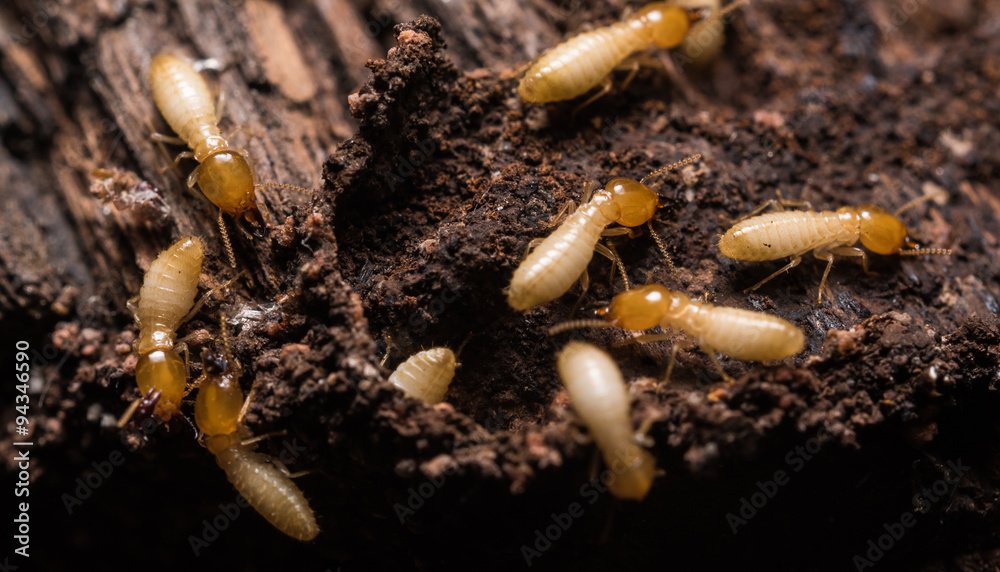
The two families work in completely different ways, and most homeowners only discover the difference after a barrier has already failed.
Chemical Barriers: Soil-Applied Termiticides and Treated Zones
A chemical barrier is a treated zone of soil or building material that termites must cross to reach your home, and crossing it exposes them to a termiticide that kills or repels them. The barrier is not a wall. It is a poisoned corridor.
How Chemical Barriers Work
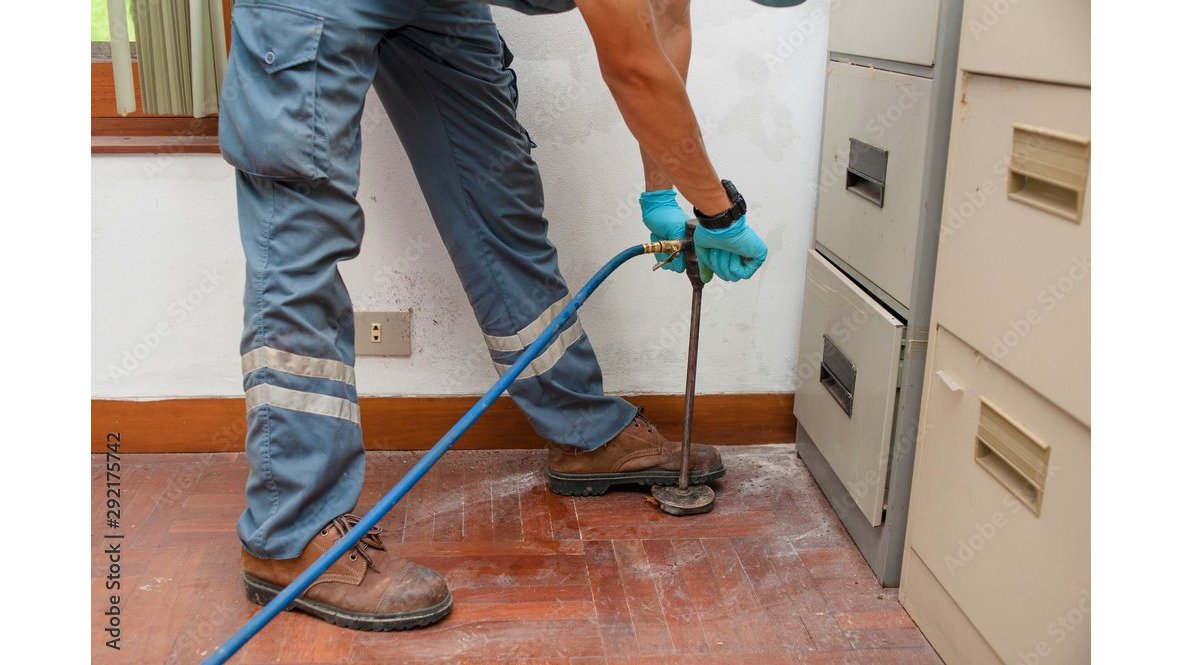
Liquid termiticides are applied to the soil along the foundation, under the slab, and around service penetrations such as pipes and conduits. Some products are non-repellent, meaning termites tunnel into the treated zone without detecting it, pick up the active ingredient, and carry it back toward the colony. Others are repellent and deter termites from entering the treated soil at all. Either way, the protective zone must stay continuous. A single gap at a pipe penetration gives termites a clean pathway straight past the treatment.
Pros and Cons of Chemical Barriers
Pros:
- Lower upfront cost than most physical systems
- Can be installed on existing homes through trenching and drilling
- Treats the full soil profile, including awkward corners
- Fast to apply across large perimeters
Cons:
- Breaks down over time and needs reapplication
- Disturbed soil, landscaping or new paving can breach the treated zone
- Effectiveness depends heavily on correct application rates
- Some products carry restrictions on use near drains or waterways
Physical Barriers: Stainless Steel Mesh, Crushed Rock, and Durable Materials
A physical termite barrier is a permanent, pesticide-free material installed during construction that termites physically cannot chew through, squeeze past or carry away. Once it is in place, it does not degrade the way a chemical treatment does.
How Physical Barriers Block Termite Entry
The most recognised physical system is stainless steel mesh, a fine-grade woven mesh installed under the slab, through the slab edge and around every penetration. Termites cannot gnaw through the steel, and the mesh aperture is too small for them to pass through. Crushed rock barriers work on a different principle: the particles are graded so termites cannot move them, and the gaps between them are too narrow to squeeze through.
Pros and Cons of Physical Barriers
Pros:
- Pesticide-free and safe around children and pets
- Designed to last the life of the building when installed correctly
- Cannot be broken down by soil chemistry or moisture
- Verifiable during inspection because the material is visible
Cons:
- Higher upfront cost than liquid treatment
- Must be installed during construction or major renovation, retrofitting is difficult
- Any installation gap compromises the whole system
- Harder to repair if damaged by later excavation work
Chemical vs Physical Termite Barriers: Comparison Table
| Feature | Chemical Barrier | Physical Barrier |
|---|---|---|
| How it stops termites | Kills or repels on contact | Physically blocks entry |
| Lifespan | Years, then reapplication | Life of the building |
| Installation timing | New build or retrofit | New build or major renovation |
| Pesticide use | Yes | No |
| Maintenance | Regular inspection and topping up | Inspection only |
| Failure risk | Soil disturbance, chemical breakdown | Installation gaps, later excavation |
| Best for | Existing homes, budget priority | New builds, long-term protection |
Australian Standard AS 3660 termite management series
Chemical Termite Barrier Lifespan: How Long Does Protection Last?
Chemical termite barrier lifespan is not a single number, and any installer who quotes one without qualification is oversimplifying. What you are actually buying is a stated service period on the product label, backed by an application that meets the relevant Australian Standard.
In practice, most liquid termiticides used for soil-applied barriers are formulated to provide protection measured in years rather than decades, with the exact figure varying by active ingredient, soil type, climate and moisture.
What Shortens a Chemical Barrier's Life
- Soil disturbance. New garden beds, paving, retaining walls, ag drains and landscaping cut through the treated zone and create untreated pathways.
- Water and drainage changes. Altered stormwater flow, leaking pipes or repeated saturation can move or dilute termiticide away from where it was applied.
- Building works. Extensions, decking, pergolas and shed slabs often require the barrier to be re-established around new footings and penetrations.
- Missed inspections. Without annual checks, breaches are found only after termites have already entered.
How Physical Barrier Lifespan Compares
Physical systems do not carry a chemical service period at all. Stainless steel mesh and graded crushed rock barriers are designed to remain effective for the life of the building when installed to the manufacturer's specification and the relevant Australian Standard. That does not mean 'install and forget'. It means the failure mode is different: physical barriers fail through installation gaps, later excavation damage or bridging by soil and landscaping, not through chemical breakdown.
| Durability factor | Chemical barrier | Physical barrier |
|---|---|---|
| Protection basis | Label service period, then reapplication | Designed for life of building |
| Main failure mode | Soil disturbance, chemical breakdown, missed top-ups | Installation gaps, excavation damage, bridging |
| Ongoing cost pattern | Periodic reapplication and inspection | Inspection and occasional repair |
| Retrofit potential | Usually possible via trenching and drilling | Difficult; generally new build or major renovation |
| Verification | Application record and label documentation | Visible material and installation certificate |
Australian Standard AS 3660 termite management series
Termite Barrier Effectiveness: What Determines Whether They Work?
Termite barrier effectiveness is determined less by which product you choose and more by whether the installed system meets the relevant Australian Standard and is documented well enough to prove it. A premium barrier installed with a gap at a service penetration is weaker than a modest barrier installed to specification. Termites exploit the weakest point, not the average.
The Three Things That Decide Whether a Barrier Works
- Compliance with the installation standard. Termite management systems in Australia are covered by the AS 3660 series, which sets out how barriers must be designed, installed and verified. Ask for the installer's statement of compliance and the barrier's installation record.
- Continuous coverage. The protective zone must be unbroken around the full perimeter, under the slab where applicable, and at every penetration including pipes, conduits, cables and posts. A gap of a few millimetres is enough.
- Ongoing inspection and management. A barrier is a management system, not a one-off purchase. Annual inspections, keeping the perimeter clear, and not bridging the zone with soil or landscaping are part of how the barrier keeps working.
Documentation and Warranty: What to Ask For
A barrier that cannot be documented is difficult to rely on at sale, at insurance claim, or when a dispute arises. Before you accept a quote, ask for:
- The product name and the manufacturer's technical data and label service period.
- A written statement that installation will comply with the AS 3660 series.
- The installation record showing where the barrier runs and how penetrations were treated.
- The warranty terms, including what is excluded (typically soil disturbance, landscaping, later building works and failure to maintain inspections).
- The inspection schedule required to keep the warranty valid.
Why This Matters More Than the Product Brochure
Two homes on the same street can have the same barrier product and very different levels of protection. The difference is almost always installation quality, documentation and whether the homeowner kept up inspections. When you compare chemical and physical barriers, compare the installers and the compliance paperwork as carefully as the products.
Australian Standard AS 3660 termite management series
Termite Barrier Inspection and Maintenance: Keeping Protection Intact
Termite barrier inspection and maintenance should happen at least annually, and more often in high-risk areas. An inspection checks for breaches, soil movement, bridging by landscaping, and any sign of termite activity near the perimeter. Chemical barriers may need topping up over time, while physical barriers generally need only visual verification. Keep ventilation clear under the floor, avoid storing timber or cardboard against the foundation, and never build garden beds over a treated zone. If you are unsure whether your barrier is still working, a professional inspection is the only reliable answer.
Termite Barriers and Baiting Systems: Which Approach Fits Your Property?
Termite barriers and baiting systems solve the same problem from different directions, and many properties benefit from both. A bait station contains a slow-acting insecticide that foraging termites carry back to the colony, which can eliminate the nest itself.
We have handled termite inspections, barrier installation and baiting programs for homes and businesses across Perth since 1987, and every job is fully insured and guaranteed. If you want to know which barrier suits your property, call Challenge Pest Control on 0422926291 and book an inspection.
Frequently Asked Questions
Which termite barrier is best for my home?
The best termite barrier depends on your property's construction, soil type, and termite risk. Chemical barriers suit existing homes and are easier to install, while physical barriers like stainless steel mesh offer longer-lasting protection and are ideal for new builds. Many homeowners combine both for maximum defence. A professional inspection can assess your situation and recommend the right termite management system.
How long do chemical termite barriers last?
Chemical termite barrier lifespan varies by product and environmental conditions. Most soil-applied termiticides are designed to provide protection for several years, but exposure to water, soil disturbance, or landscaping can reduce their effectiveness. Regular termite barrier inspection and maintenance, including soil testing where needed, helps confirm the treated zone remains intact. Your pest controller can advise on reapplication timing based on the specific termiticide used.
Can chemical and physical termite barriers be used together?
Yes, combining chemical and physical barriers is a common and effective strategy. A physical barrier such as stainless steel mesh blocks termite entry at vulnerable points, while a chemical treated zone in the soil deters or kills termites that attempt to cross. This dual approach is often recommended for new construction and can improve overall termite barrier effectiveness, especially in high-risk areas.
Do termite barriers need regular inspections?
Yes, all termite barriers require regular inspections to remain effective. Australian Standard AS 3660.2 recommends annual professional inspections for termite management systems. Inspections check for barrier breach, such as soil erosion, building alterations, or landscaping that disturbs the treated zone. Early detection of termite activity or damage allows for timely repairs and helps maintain your property protection.
Choosing the wrong termite barrier for your property can cost you far more than the installation itself, because termite damage is rarely covered by insurance and repairs run into the thousands. Challenge Pest Control has protected homes and businesses since 1987 with fully insured, guaranteed termite management, 24/7 emergency response, free quotes and pensioner discounts. Get started with Challenge Pest Control and secure the right barrier for your home before termites find the gap.