 listicle
5 Best Termite Baiting Systems for Perth Homes
Table of Contents
- How Termite Baiting Systems Work
- Quick Comparison: 5 Best Termite Baiting Systems for Perth Homes
- 1. Challenge Pest Control: Professional Installation and Monitoring
- 2. Exterra Termite Baiting System
- 3. Sentricon Always Active
- 4. Nemesis Termite Bait System
- 5. Trelona Advance Termite Bait System
- Termite Bait vs Liquid Barrier
- Frequently Asked Questions
Last Updated: September 30, 2026
How Termite Baiting Systems Work
Termite baiting systems are in-ground monitoring stations that use slow-acting bait to eliminate an entire termite colony, not just the termites inside the station. This guide from Challenge Pest Control explains how the leading options compare for homes across the metro area.
The process starts with bait stations installed at intervals around the perimeter of your home. Worker termites forage into the stations, consume a bait matrix laced with chitin synthesis inhibitors, and carry it back to the nest. Because the active ingredient is slow-acting and non-repellent, foragers keep returning and sharing the treated material through bait transfer. The colony collapses over weeks rather than days.
What most guides miss is that baiting is a monitoring program, not a one-off treatment. Stations need checking, bait needs replenishing, and the whole system depends on catching termite activity early. That is why monitoring frequency matters as much as the bait itself.
CSIRO termite research and management guidance
Quick Comparison: 5 Best Termite Baiting Systems for Perth Homes
Here is how the five leading termite baiting systems compare at a glance. Every option below relies on professional installation and ongoing service, because these products are not sold for DIY use in most cases.
| System | Bait Technology | Best For | Monitoring |
|---|---|---|---|
| Challenge Pest Control | Multi-system professional program | Full-service protection and 24/7 response | Scheduled by technician |
| Exterra | Requiem Termite Bait | Non-invasive colony elimination | Ongoing professional |
| Sentricon Always Active | Recruit HD, active from day one | Immediate protection | Professional service |
| Nemesis | Australian-formulated bait matrix | Local termite species | Regular check-ups |
| Trelona Advance | High-attractant bait matrix | Industry-standard performance | Professional contract |
The right pick depends on whether you want a managed service or a specific baiting technology. For most homes, a fully managed program removes the guesswork.
1. Challenge Pest Control: Professional Installation and Monitoring
Our top pick is Challenge Pest Control, because it pairs bait station technology with the one thing baiting cannot work without: a technician who actually shows up. The business has delivered expert, guaranteed pest management solutions to commercial, industrial, and domestic clients around Perth since 1987.
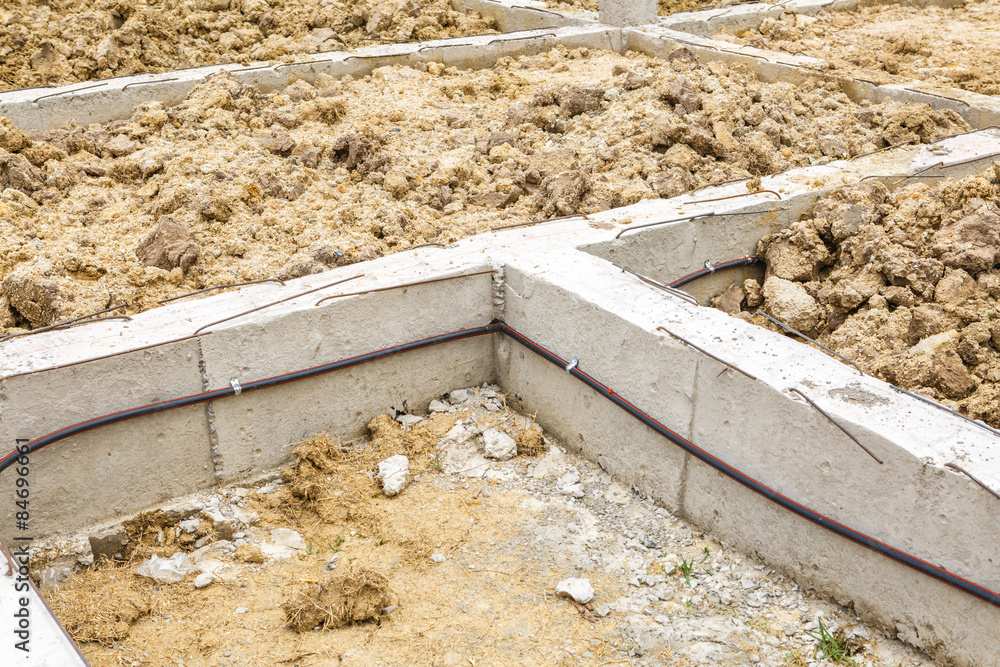
What sets it apart is the service model. You get professional installation, scheduled monitoring, and 24/7 availability for emergencies, which matters when you find an active infestation on a Sunday night. Every job is fully insured and backed by a work guarantee, and the team offers free quotes, free advice, and pensioner discounts.
The trade-off is straightforward: this is a managed service, not a box you install yourself. For anyone who wants the monitoring off their plate, that is the point.
2. Exterra Termite Baiting System
Exterra is an in-ground interception system built to stop termites around the perimeter barrier before they reach the structure. It uses Requiem Termite Bait, a bait matrix whose active ingredient is a chitin synthesis inhibitor. Rather than killing foragers on contact, it disrupts moulting so affected termites cannot complete their life cycle, and the slow action lets them carry the material back through bait transfer to the rest of the termite colony.
Its strength is that it is less invasive than a chemical soil treatment. There is no trenching around the slab and no disruption to established gardens. Those same soils are a factor in how the system performs: sandy profiles drain quickly and can shift, so stations need to be seated correctly and checked for movement or grit ingress. In the hot, dry summer stretch, above-ground plastic and bait matrices can degrade faster than in cooler, wetter regions.
The catch is that it only works as well as its servicing. Exterra is a monitoring program first and a baiting program second: stations are inspected, activity is recorded, and bait is replenished only when termites are present. Skip the inspections and the whole system loses its point.

3. Sentricon Always Active
Sentricon Always Active uses Recruit HD bait in the stations from the moment of installation, so there is no waiting period for termites to be detected first. That immediacy is its main selling point.
For property owners who want continuous protection rather than a monitor-then-bait approach, this is an option. The technology is durable and backed by field testing. The drawback is that it still requires a professional service agreement.
4. Nemesis Termite Bait System
Nemesis is an Australian-designed system that focuses on colony eradication through a highly attractive bait matrix. It is engineered for local termite species and regional foraging behavior, which gives it a natural fit for homes in this climate.
Inspection and bait replenishment are designed to be straightforward, which helps keep servicing efficient. Like the others, it depends on professional installation and regular check-ups, so it is not a set-and-forget product.
5. Trelona Advance Termite Bait System
Trelona Advance is a professional-grade system that uses a high-attractant bait matrix to manage termite populations. It is designed for both the monitoring and baiting phases, with durable stations built for long-term in-ground use.
This is an option for homeowners who prefer an industry-standard chemical baiting approach. There is one firm limitation: it is not available for DIY installation, so you will need a licensed pest controller to run it.
Termite Bait vs Liquid Barrier
The choice between baiting and a liquid barrier comes down to how each one works. A liquid barrier creates a treated zone in the soil that termites cannot cross undetected, while baiting eliminates the colony at its source. Most guides stop there. The more useful question for a local home is how each option behaves under local conditions.
| Factor | Termite Baiting | Liquid Barrier |
|---|---|---|
| How it works | Termites carry bait back to the nest | Treated soil zone repels or kills |
| Best for | Colony elimination and detection | Immediate perimeter defence |
| Ongoing need | Regular monitoring | Periodic retreatment |
| Garden impact | Minimal disturbance | Requires trenching |
| Local climate effect | Bait and plastic can degrade faster in hot, dry summers; stations may need checking for grit and movement on sandy soils | Treated zone can be disturbed by landscaping, drainage work, or soil movement |
| DIY legality | Restricted, the products are generally not sold for unlicensed use | Restricted, application is a licensed activity |
How local conditions change the maths. The metro area's hot, dry summers and sandy, free-draining soils affect both options. Bait stations can shift or take on grit, and bait matrices can degrade faster than in cooler climates, so inspection intervals matter. Liquid barriers are vulnerable to soil disturbance, new paving, retaining walls, or drainage works can breach the treated zone without anyone realising. Neither system is fire-and-forget in this environment.
The DIY question most guides avoid. In Western Australia, termite management is regulated, and the products used in professional baiting and barrier systems are generally not available for unlicensed DIY use. That is not just a paperwork issue. A baiting system installed in the wrong place, at the wrong spacing, or without a documented monitoring record can fail silently, termites bypass the stations and the homeowner only finds out when damage appears. A common pattern reported by practitioners is a DIY or unmonitored system that was never checked for months, which is effectively no protection at all.
Many homes use both approaches as part of an integrated pest management plan, with baiting for detection and elimination and a barrier for the perimeter.
Frequently Asked Questions
How do termite baiting systems work?
Termite baiting systems use in-ground stations placed around your home's perimeter. Worker termites discover the bait matrix, consume it, and transfer the active ingredient back to the colony. The active ingredient is usually a chitin synthesis inhibitor, which prevents termites from moulting and gradually eliminates the entire colony. Regular monitoring by a licensed pest controller ensures the system stays effective.
Are termite baiting systems effective for local soil conditions?
Yes. Modern termite baiting systems like Exterra, Sentricon, and Nemesis are designed for Australian conditions, including sandy and loamy soils common in many areas. Professional installation ensures stations are placed at the correct depth and spacing. Soil type can affect how quickly termites find the stations, so a licensed pest controller will assess your property and adjust the placement accordingly.
How often should termite bait stations be inspected?
Most manufacturers recommend inspections every three months for the first year, then quarterly or as advised by your pest controller. Regular monitoring is critical because bait consumption needs to be replenished and stations must be checked for termite activity. Challenge Pest Control offers ongoing maintenance programs to keep your system working year-round.
What is the difference between termite baiting and liquid chemical barriers?
Termite baiting uses stations that attract and eliminate entire colonies, while liquid chemical barriers create a treated zone in the soil that repels or kills termites on contact. Baiting is less invasive and targets the colony directly, but it requires ongoing monitoring. Liquid barriers offer immediate protection but may need reapplication over time. Your choice depends on your property's risk level and construction type.
Can I install termite baiting systems myself?
DIY installation is not recommended. Correct placement, depth, and spacing are critical for effectiveness. Professional installation by a licensed pest controller ensures the system meets Australian standards and manufacturer guidelines.
Termites do not announce themselves, and by the time damage is visible, the colony has usually been feeding for a while. Challenge Pest Control has protected homes, businesses, and strata properties since 1987 with guaranteed, fully insured termite management, 24/7 availability, free quotes, and pensioner discounts. Get started with Challenge Pest Control and put a monitored baiting program between your home and the next colony. Call and book today on 0422926291.