 Ultimate guide
Pest Management for Rental Properties: A Guide
Table of Contents
- Why Pest Management Matters for Rental Properties
- Landlord Pest Control Responsibilities in Western Australia
- Tenant Pest Control Responsibilities: What Renters Must Do
- Pest Inspection for Rental Property: When and How
- Common Pests in Rental Properties and Treatment Approaches
- End of Lease Pest Control: Protection Between Tenancies
- Treatment Safety, Tenant Preparation, and Documentation
- Choosing a Local Pest Management Provider
- Frequently Asked Questions
Last Updated: October 18, 2026
Why Pest Management Matters for Rental Properties
Pest infestations in rental properties create cascading problems for landlords and tenants.

For rental property owners and managers, pest management is a legal and financial necessity. Properties with active pest problems face higher vacancy rates, difficulty attracting quality tenants, and potential liability claims.
Challenge Pest Control has managed pest issues across rental properties in Perth since 1987, working with property managers, landlords, and real estate professionals.
Landlord Pest Control Responsibilities in Western Australia
Landlords in Western Australia have clear legal obligations.
Landlords must conduct pest inspections before a new tenancy begins and at regular intervals during the tenancy. Many property managers schedule annual inspections as standard practice, with additional inspections triggered by tenant reports or seasonal risk factors.
When treatment becomes necessary, landlords typically bear the cost for structural pest issues, particularly termite damage.
Tenant Pest Control Responsibilities: What Renters Must Do
Tenants have corresponding responsibilities under the Residential Tenancies Act 1987 (WA). They must report pest activity promptly and maintain reasonable cleanliness.
Tenants should report pest sightings immediately in writing (email is sufficient) to create a documented record. Delaying allows infestations to spread and complicates responsibility.
Tenants must also prepare properties for scheduled pest treatment: removing personal items from treatment areas, ensuring access to all rooms, and following post-treatment instructions such as keeping children and pets away from treated surfaces.
Pest Inspection for Rental Property: When and How
A pest inspection for rental property should occur before tenancy commencement, at regular intervals during occupancy, and before the end of tenancy.
Professional inspectors look for droppings, dead insects, live pests, damage patterns, and conducive conditions (moisture, food sources, entry points). A thorough inspection takes 1-2 hours depending on property size and complexity, with a detailed report documenting findings and recommending preventive measures or treatment.
A practical inspection and treatment workflow for property managers
Most ranking pages stop at "book an inspection." The operational reality is a sequence that keeps landlords, tenants and trades aligned:
- Trigger and scope. Decide why the inspection is happening (pre-tenancy, routine, complaint, end of lease) and confirm the scope in writing, including whether roof void, subfloor, garage, shed and external structures are included.
- Access and notice. Arrange access with the tenant using the notice period required under the tenancy agreement and the Residential Tenancies Act 1987 (WA). Confirm keys, gate codes, pet arrangements and any areas the tenant needs to clear.
- Inspection and report. The inspector documents findings with photos, identifies active activity versus old evidence, and notes conducive conditions. Ask for a report that separates "treatment recommended now" from "monitor."
- Approval and quote. The property manager obtains landlord approval against the written scope before treatment. Clarify what is included, what is excluded, and whether a follow-up visit is part of the price.
- Tenant communication. Notify the tenant of the treatment date, preparation requirements and re-entry guidance in writing. Keep a copy on file.
- Treatment and record. The provider treats, records products used and areas treated, and issues a treatment report or certificate.
- Follow-up. Schedule any warranty or follow-up inspection, and diarise the next routine inspection.
What a rental-specific inspection report should contain
A report that supports tenancy discussions typically includes the inspection date and time, areas inspected and not accessed, photo evidence with locations, a distinction between active and historical activity, species identification where possible, recommended treatment with a scope, and safety or preparation instructions.
During-tenancy inspections catch emerging problems before they become severe; many property managers schedule them annually, though high-risk properties may warrant more frequent checks.
Common Pests in Rental Properties and Treatment Approaches
Termites, ants, and wood-boring insects
Termites represent the most serious pest threat to rental properties in Western Australia, damaging structural timber and creating safety hazards.
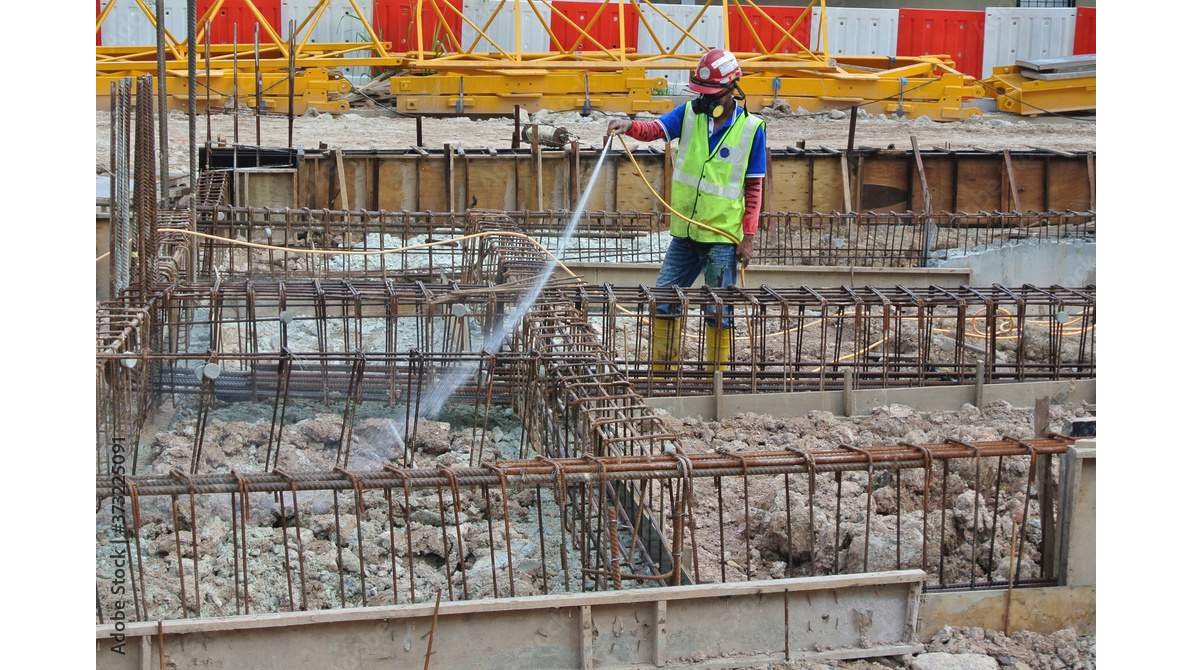
Professional termite treatment typically involves physical or chemical barriers around the property's perimeter. Chemical treatments use approved termiticides applied to soil around the foundation.
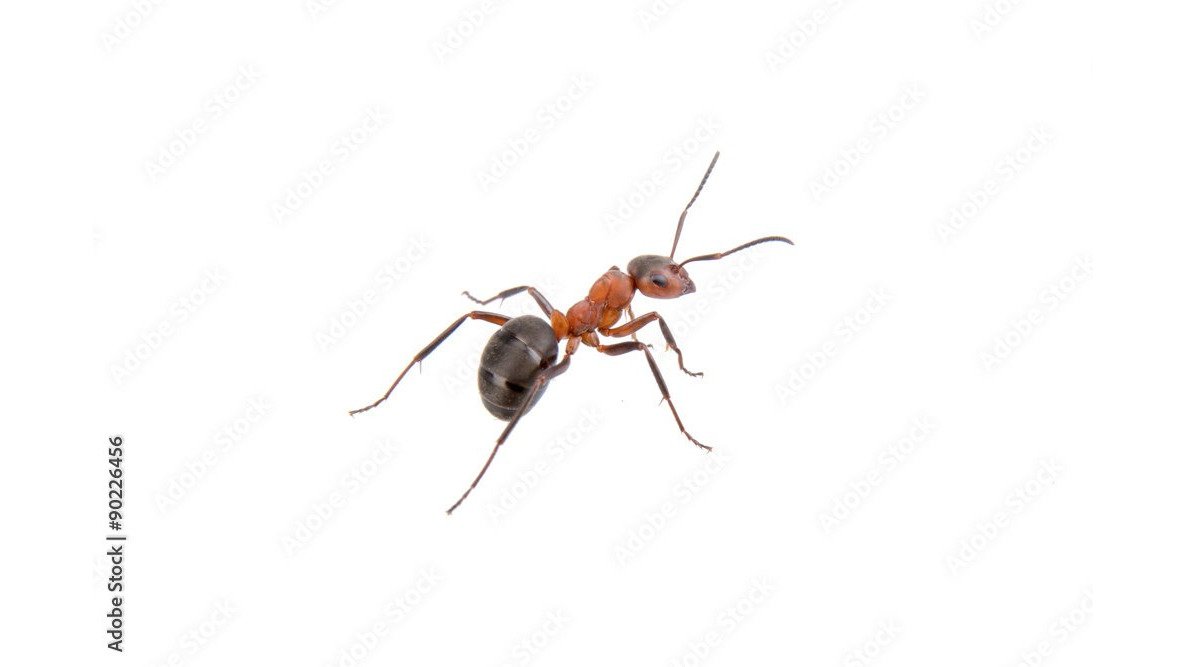
Carpenter ants and wood-boring beetles also damage timber but are less destructive than termites. They typically indicate moisture problems, being attracted to damp timber.
Bed bugs, cockroaches, and indoor pests
Bed bugs infest rental properties at higher rates than single-family homes due to tenant turnover and shared walls.
Cockroaches thrive in warm, humid environments with accessible food and water. They contaminate food preparation areas, trigger allergies, and indicate sanitation problems.
Fleas and lice occasionally infest rental properties, usually introduced by tenant pets or previous occupants. Treatment must cover both the property and any animals present, and rental agreements should address pet management and parasite control.
Rodents and mosquitoes
Rats and mice enter buildings seeking shelter and food, damaging insulation, wiring, and stored goods while spreading disease through droppings and urine. Rodent control combines trapping, baiting, and exclusion by sealing entry points. Properties in older areas or near bushland face higher rodent pressure.
Mosquitoes breed in standing water and become problematic during warm months, creating health risks and tenant complaints. Management focuses on eliminating breeding sites: clearing gutters, fixing leaks, and removing bird baths or plant saucers that hold water.
End of Lease Pest Control: Protection Between Tenancies
End-of-lease pest control protects the property during the transition between tenants. A thorough pest treatment before the new tenant arrives eliminates any pest populations the previous occupant may have introduced. This is particularly important for bed bugs, which often travel with tenant belongings.
The end-of-lease process should include a pest inspection, targeted treatment of identified issues, and preventive treatment of high-risk areas.
Documentation is critical at end of lease.
Treatment Safety, Tenant Preparation, and Documentation
Pest treatment chemicals require careful handling to protect occupants. Professional pest control operators use products approved by the Australian Pesticides and Veterinary Medicines Authority, which regulates pesticide safety and efficacy. These products, when applied by trained professionals, pose minimal risk to humans and pets when label instructions and the provider's directions are followed.
Tenant preparation checklist before treatment
Preparation varies by treatment type, so always follow the provider's written instructions. A common preparation pattern for internal treatments includes:
- Clear floors and access to skirting boards, cupboards and treatment areas.
- Remove or cover food, food-contact items, pet food and water bowls.
- Store medications and personal care items away from treatment areas.
- Arrange for pets and children to be out of the property during treatment and for the re-entry period.
- Confirm whether bedding, linen or soft furnishings need to be laundered or removed.
- Provide access to all rooms, roof voids, subfloors and locked areas as agreed.
Re-entry and post-treatment guidance
Re-entry times depend on the product and application method. The provider should specify in writing when occupants and pets can return, what to ventilate, what surfaces to avoid until dry, and whether follow-up cleaning is needed. Tenants with asthma, allergies or chemical sensitivities should raise these before treatment. Keep the written guidance with the tenancy records.
Documentation that prevents disputes
Documentation protects all parties. Property managers should keep a pest file for each property containing:
- Dated inspection reports, including areas not accessed.
- Photos of activity and conducive conditions.
- Quotes and approved scopes of work.
- Treatment reports listing products used, areas treated and re-entry guidance.
- Written tenant notifications and any tenant reports of pests.
- Invoices and warranty or follow-up details.
If pest issues arise later, these records demonstrate the landlord took reasonable steps and the tenant was informed. Written notification (email or formal notice) creates an audit trail.
Treatment safety depends on transparency. Property managers should disclose what pesticides will be used, why, and what precautions tenants should take. Tenants with health concerns or chemical sensitivities should communicate these before treatment so the provider can adjust where possible.
Choosing a Local Pest Management Provider
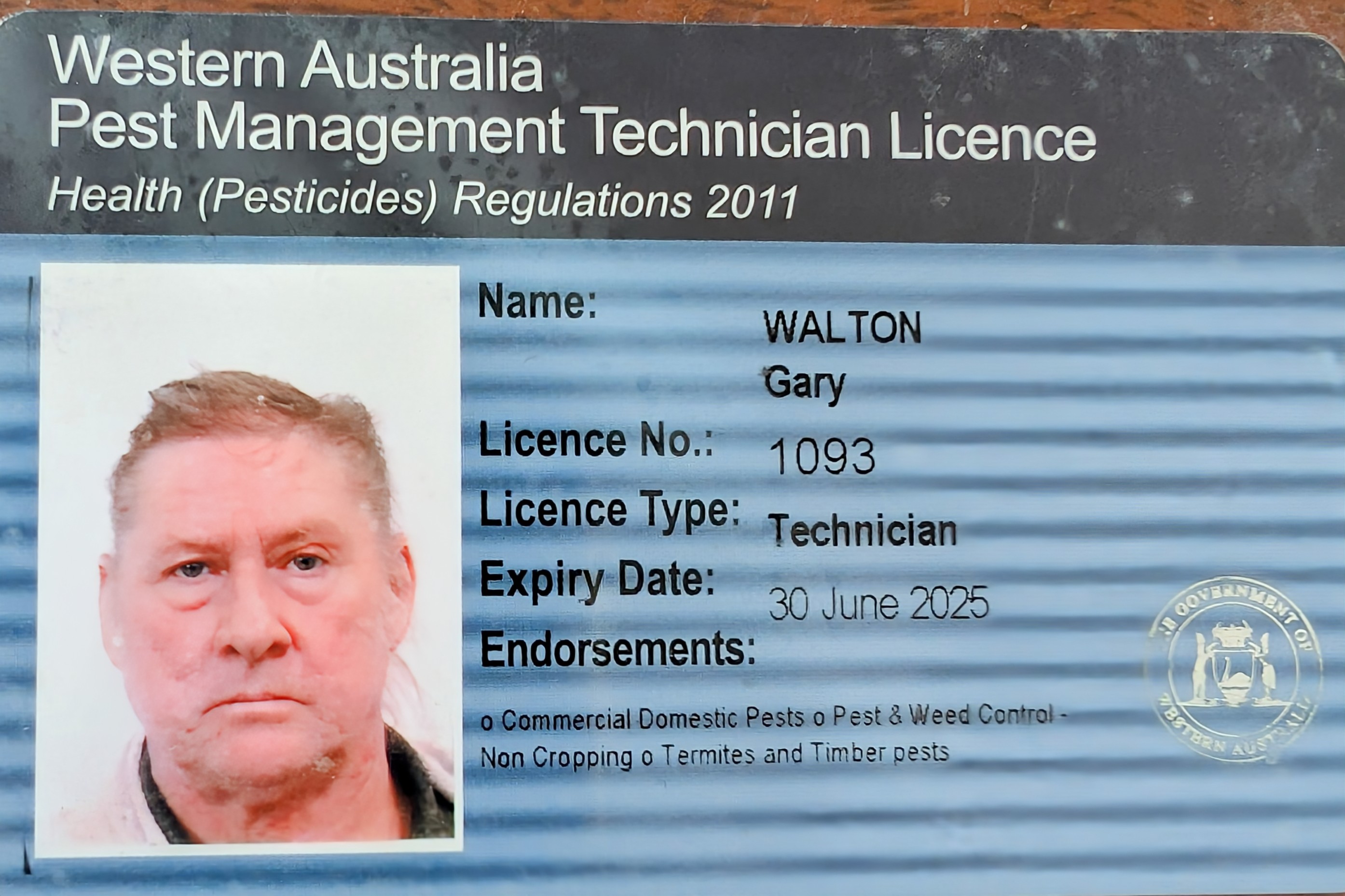
Selecting a pest management provider for rental properties requires evaluating experience, credentials, and reliability.
Availability matters: infestations discovered on weekends or after hours need rapid response.
Compare service approaches, not just pricing. Preventive programs with scheduled inspections and treatments cost less overall than reactive treatment.
Pest management for rental properties protects your investment, maintains tenant satisfaction, and ensures compliance with habitability standards.
Frequently Asked Questions
Who is responsible for pest control in a rental property in Western Australia?
Under Western Australian tenancy law, landlords must provide a property free from pests at the start of a tenancy. Tenants are responsible for reporting pest problems promptly and maintaining basic cleanliness to prevent infestations. For ongoing pest management, responsibilities depend on the lease agreement and the cause of the infestation. Landlords typically arrange and pay for pest control if the problem exists due to property conditions; tenants may be liable if their actions caused the issue. Always clarify these terms in the lease to avoid disputes.
When should a landlord arrange a pest inspection for a rental property?
Landlords should arrange pest inspections before a new tenant moves in, ideally as part of the end-of-lease process for the previous tenant. Regular inspections every 6-12 months are recommended for rental properties, especially in areas prone to termites or other structural pests. If a tenant reports pest activity, arrange an inspection immediately to assess the extent of the problem. Professional pest inspection rental property services can identify early signs of infestation before they become costly problems, protecting your investment and tenant satisfaction.
What should tenants do if they find pests in a rental property?
Tenants should notify the landlord or property manager in writing immediately upon discovering pests. Document the issue with photos and dates. Do not attempt DIY treatments without landlord approval, as some methods can damage the property or create liability issues. Maintain basic cleanliness and remove food sources while waiting for professional treatment. If the landlord fails to respond within a reasonable timeframe (typically 7 days), tenants may be able to arrange treatment and deduct costs from rent, depending on WA tenancy law and lease terms. Always follow the proper notification process to protect your rights.
How can landlords prevent pests between tenancies?
End of lease pest control is essential for preventing infestations in the next tenancy. Arrange a professional pest treatment before the property is vacant, targeting common entry points and harbourage areas. Deep clean the property, including behind appliances and in wall cavities. Seal cracks, gaps, and entry points around doors, windows, and utility penetrations. Remove any food waste and debris left by the previous tenant. Consider a preventive treatment focusing on high-risk areas like kitchens and bathrooms. A post-treatment inspection confirms the property is pest-free, protecting both your investment and the incoming tenant's wellbeing.
What should tenants do to prepare for pest control treatment?
Tenants should remove personal items from treated areas, including food, dishes, and toiletries. Clear access to cupboards, under sinks, and behind furniture so technicians can treat all necessary areas. If children or pets are present, arrange alternative accommodation during treatment or follow the technician's safety instructions for staying in the property. Remove bedding and laundry from treated bedrooms if bed bugs are being targeted. Ask the technician for specific post-treatment instructions, including ventilation time and when it is safe to re-enter treated areas. Proper preparation ensures effective treatment and minimises disruption to your tenancy.
How long does professional pest treatment typically take?
Most pest treatments take 1-3 hours, depending on property size and the type of pest. Termite inspections may take 1-2 hours for a thorough assessment. General pest treatments for ants, cockroaches, or rodents usually take 1-2 hours. Bed bug treatments often require multiple visits over 2-3 weeks. After treatment, ventilation time varies: some properties can be re-occupied within 2-4 hours, whilst others may require overnight airing. The technician will provide specific timelines and safety guidance. For rental properties, scheduling treatments between tenancies minimises disruption and allows adequate drying and ventilation time.
What is integrated pest management for rental properties?
Integrated pest management (IPM) combines multiple strategies to control pests effectively whilst minimising chemical use. For rental properties, IPM includes regular inspections, sealing entry points, removing food and water sources, proper waste management, and targeted chemical treatments only when necessary. This approach reduces reliance on pesticides, making properties safer for tenants and families. IPM is cost-effective long-term, as prevention reduces the need for emergency treatments. Professional pest management providers use IPM principles to deliver tailored solutions that protect your property, meet tenant expectations, and comply with health and safety standards.