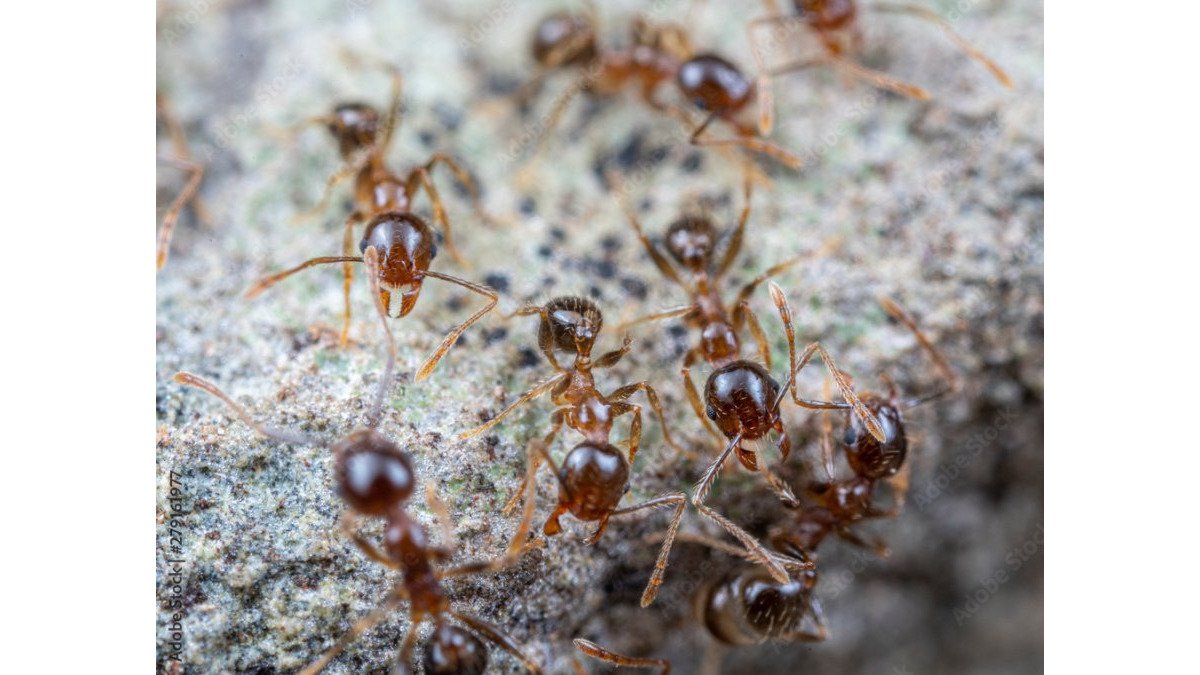
 Listicle
Natural Alternatives to Chemical Pest Sprays
Table of Contents
- Why Homeowners Are Switching to Natural Pest Sprays
- Natural Pest Control Methods for the Home: A Quick Comparison
- Plant-Derived and Biological Pest Sprays: Neem Oil, Bt, and Spinosad
- Essential Oils for Pest Control: What the Evidence Actually Shows
- Natural Ant Control: Boric Acid, Diatomaceous Earth, and Barriers
- Integrated Pest Management for Homes: A Decision Guide
- Risks, Pollinators, and Safe Use of Natural Pest Sprays
- When to Call a Professional Instead
- Frequently Asked Questions
Last Updated: October 17, 2026
Why Homeowners Are Switching to Natural Pest Sprays
Natural alternatives to chemical pest sprays are pest-control products and methods that rely on plant-derived oils, minerals, or living organisms instead of synthetic insecticides. They range from neem oil and boric acid to physical barriers and traps, and they suit households wanting lower-toxicity options for gardens and indoor spaces.
At Challenge Pest Control, we have handled pest problems across domestic, commercial and industrial properties since 1987. In that time, the biggest shift we have seen is homeowners wanting to understand what is being applied, where, and why. That is a reasonable ask.
Most DIY guides skip the part that matters: matching the product to the pest and the setting. A repellent that works on mosquitoes does nothing for ants. A powder that stops cockroaches will not touch a termite problem.
Natural Pest Control Methods for the Home: A Quick Comparison
Natural pest control methods for the home fall into three groups: plant-derived sprays, mineral powders, and physical controls. Each has a different job, and most households end up using more than one.
Here is how the main options compare:
| Method | Best For | How It Works | Main Limitation |
|---|---|---|---|
| Neem oil | Garden insects, soft-bodied pests | Disrupts feeding and growth | Slower acting; needs repeat use |
| Bt (Bacillus thuringiensis) | Caterpillars on leafy crops | Biological control, target-specific | Narrow target range |
| Spinosad | Thrips, caterpillars, some flies | Ingredient-based spray | Affects some beneficial insects |
| Essential oils | Repelling mosquitoes, flies | Scent-based repellence | Short-lived; reapply often |
| Boric acid | Ants, cockroaches | Mineral-based stomach action | Keep away from pets and children |
| Diatomaceous earth | Crawling insects | Abrasive powder, non-spray | Loses effect when wet |
| Barriers and traps | Excluding and monitoring pests | Physical control | Needs consistent maintenance |
The pattern is consistent: natural products work best when you pick the right one for the pest and apply it properly, rather than spraying everything everywhere.
Plant-Derived and Biological Pest Sprays: Neem Oil, Bt, and Spinosad
Plant-derived and biological sprays are the closest thing to a direct swap for a chemical insecticide, and they are the most common starting point for households moving away from synthetic products.
Neem oil is pressed from neem seeds and contains azadirachtin, the compound that disrupts insect feeding and growth. It is a botanical pesticide suited to garden pests, and it shows up widely at garden centres.
Bacillus thuringiensis, usually called Bt, is a biological pesticide made from a soil bacterium. It is highly target-specific, which is both its strength and its limit: it handles caterpillars on leafy crops well, but it will not solve a broad pest problem.
Spinosad is an ingredient-based spray used against thrips, caterpillars and some flies. It is listed among organic pest-control options, though it can affect some beneficial insects, so timing matters.
Essential Oils for Pest Control: What the Evidence Actually Shows
Essential oils for pest control are best understood as short-lived repellents rather than residual killers. They make a treated area less appealing to insects, and their effect fades quickly, so they need frequent reapplication.
Here is how the evidence stacks up by pest and setting, using qualified language because results vary with formulation, concentration and environment:
| Oil | Pest it is most associated with | Demonstrated effect | Realistic limitation |
|---|---|---|---|
| Citronella | Mosquitoes | Repellence in outdoor air; short-range | Fades within hours; breeze disperses it |
| Peppermint | Ants, spiders | Contact repellence and trail disruption | No colony-level control; foragers return |
| Thyme | Crawling insects, some larvae | Contact and repellent activity | Variable by species and formulation |
| Rosemary | Flies, some beetles | Repellence and mild contact effect | Weak residual; reapply often |
| Eucalyptus | Flies, cockroaches | Repellence; some contact activity | Not a substitute for baiting cockroaches |
| Tea tree | Ants, mould-related pests | Contact repellence | Can irritate skin and pets if undiluted |
A common pattern is that oils perform best in enclosed or semi-enclosed spaces, doorways, patios, cupboards, bins, and poorly in open, breezy areas. A synthetic residual applied to a surface keeps working for weeks; an essential-oil mix may lose effectiveness within hours outdoors.
Dilution and application. Most ready-to-use botanical sprays are already diluted. If you mix your own, follow the product label or a reputable horticultural guide rather than guessing. Over-concentrating oils does not improve results and can burn foliage, especially on hot days. Test on a small leaf area first.
Where oils fit in a plan.
- Best use: patios, doorways, outdoor entertaining areas, bins, and indoor entry points
- Weak spot: open spaces, breezy conditions, and any established infestation
- Pair with: physical barriers and traps, so you are not relying on scent alone
- Safety note: keep undiluted oils away from pets and children; some oils are toxic to cats and fish
If you want a single takeaway: treat oils as a deterrent for high-traffic entry points, not as a treatment for an active infestation.
Natural Ant Control: Boric Acid, Diatomaceous Earth, and Barriers
Natural ant control works on three fronts: baiting the colony, blocking the entry, and killing foragers. Doing only one of the three rarely solves the problem.
Boric acid is a mineral-based control that ants carry back to the nest, which is why it outperforms surface sprays for an established trail. Diatomaceous earth is a fine powder listed as an alternative pesticide, and it works as a non-spray option for crawling insects. Its weakness is moisture: once damp, it stops working.
Physical barriers are the third piece. Sealing entry points, keeping food covered, and trimming vegetation away from the building removes the conditions ants need.
If ants keep returning despite baiting and sealing, the nest is likely in a wall cavity or under a slab. That is a job for a professional inspection.
Integrated Pest Management for Homes: A Decision Guide
Integrated pest management for homes is a step-by-step approach that starts with prevention, moves to monitoring, and uses the least invasive treatment that will solve the problem. It is the framework we use on every property, and it is the reason natural products work better as part of a plan than as a one-off purchase.
Here is how we would work through it:
- Identify the pest. Confirm what you are dealing with before buying anything.
- Find the entry point or nesting site. Treating the symptom without the source guarantees a return visit.
- Remove the conditions. Seal gaps, fix moisture, clear food sources.
- Choose the least invasive control. Barriers and traps first, then baits, then sprays.
- Monitor for two weeks. If activity continues, escalate or call a professional.
- Prevent recurrence. Schedule seasonal checks rather than reacting each time.
| Situation | First Move | If It Persists |
|---|---|---|
| Occasional ants in the kitchen | Seal entry points, bait the trail | Inspect wall cavities |
| Caterpillars on vegetables | Apply Bt to affected crops | Rotate control method |
| Cockroaches in a rental unit | Boric acid in voids, deep clean | Professional treatment |
| Termite activity | Do not disturb, call immediately | Full inspection and management plan |
Risks, Pollinators, and Safe Use of Natural Pest Sprays
Natural does not mean risk-free.
Exposure and dilution. Concentrates are the highest-risk form. Mix only what you need, at the label rate, in a well-ventilated area, and never decant into drink bottles or unlabelled containers.
Storage. Keep concentrates locked away, upright, in original labelled containers, out of reach of children and pets. Store away from food, pet food and heat sources.
Pollinators and beneficial insects. Pollinators are the first casualty of careless spraying. Bt and spinosad are effective partly because they target specific insect groups, but that specificity is not perfect.
A few habits keep the risk low:
- Spray in the early morning or late evening when pollinators are less active
- Never spray open flowers, and avoid spraying when plants are about to bloom
- Check the label for bee warnings and follow buffer distances from flowering crops
- Keep boric acid and diatomaceous earth away from pets, children and areas where beneficial insects forage
- Wash homegrown produce before eating it
- Store concentrates locked away and in original containers
Non-target impacts beyond pollinators. Soil organisms, earthworms, predatory mites and parasitic wasps can all be affected by broad applications.
Timing and weather. Do not spray in wind, rain, or the heat of the day.
If you are unsure whether a product is suitable for your situation, especially around pets, children, or flowering crops, ask before you spray. A short conversation is cheaper than a damaged garden or a sick pet.
When to Call a Professional Instead
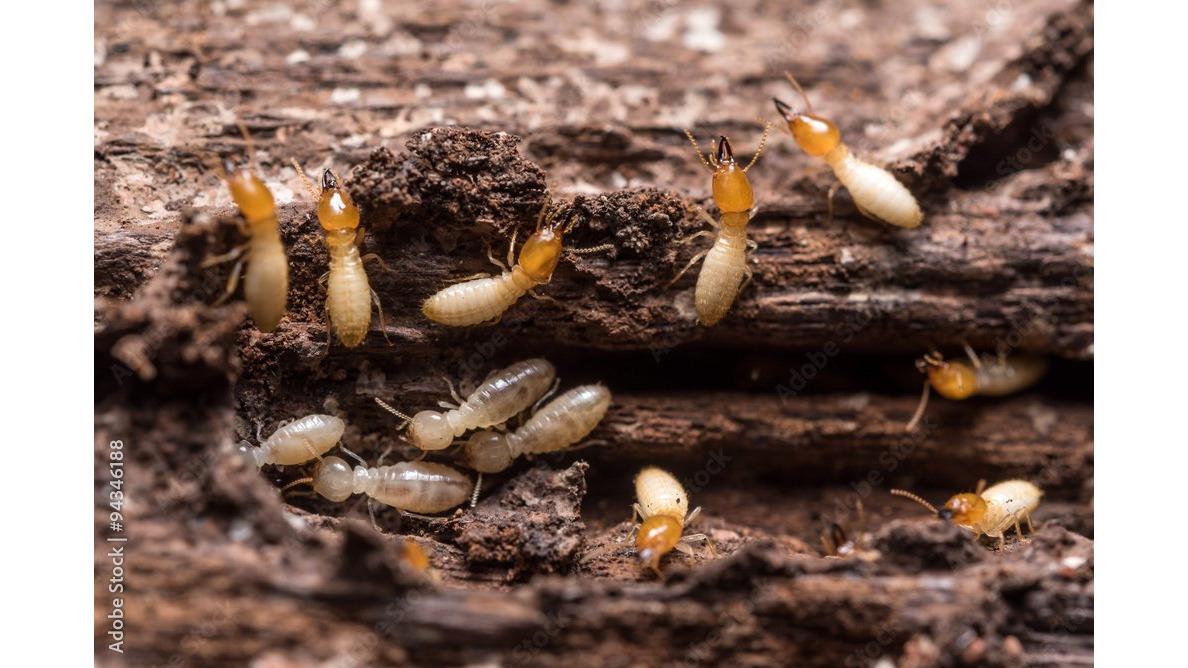
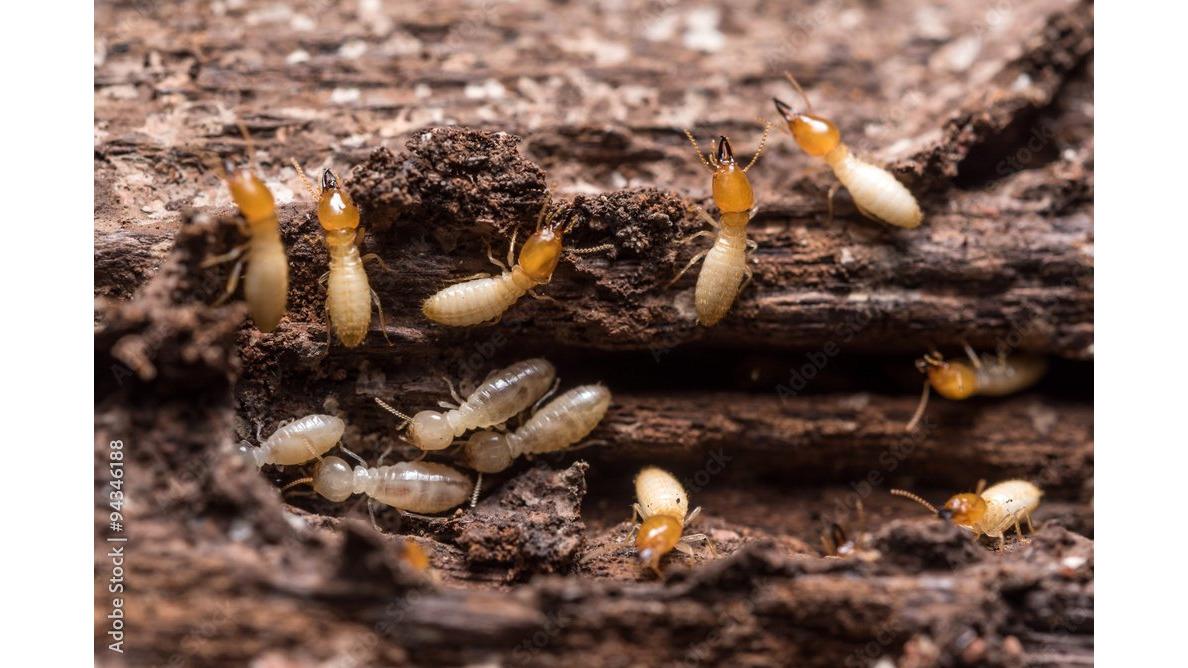
Some pest problems are not DIY jobs, and pretending otherwise costs more in the long run. Termites are the clearest example: by the time you see activity, damage is usually already underway, and disturbing the nest can spread the problem rather than solve it.
Call a professional when:
- You suspect termites, or you find mud tubes or damaged timber
- The pest keeps returning after two rounds of DIY treatment
- The infestation is in a wall cavity, roof void or under a slab
- The property is a rental, aged care or healthcare site with compliance obligations
- You need the work guaranteed, not just attempted
Challenge Pest Control has handled these jobs since 1987, with 24/7 availability, fully insured work, and free quotes and advice. We also offer pensioner discounts, and every job is backed by a guarantee, so if pests return after treatment, we come back.
Frequently Asked Questions
Do natural pest sprays actually work on household pests?
It depends on the pest and the product. Diatomaceous earth and boric acid work well against ants and cockroaches when applied correctly. Neem oil and Bt are effective on specific garden insects. Essential oils like peppermint and eucalyptus can repel some pests but usually need frequent reapplication. Natural pest sprays work best as part of an integrated approach that includes physical barriers and hygiene, not as a single fix.
Are essential oils for pest control safe around children and pets?
Not automatically. Essential oils are concentrated plant compounds and can irritate skin, eyes, and airways, especially in cats and small dogs. Always dilute them as directed and keep treated areas ventilated. Never apply undiluted oils where children or pets play. If you have young kids or animals at home, boric acid placed in sealed bait stations or diatomaceous earth in cracks is often a lower-risk option than open sprays.
What natural pest control methods work best for ants?
Boric acid bait is one of the most reliable natural ant control options. Ants carry it back to the nest, which addresses the colony rather than just the visible trail. Diatomaceous earth sprinkled around entry points also helps. Combine these with sealing cracks, storing food in airtight containers, and keeping benches clean. If ants keep returning after two to three weeks of consistent baiting, a professional inspection can find the nest.
When should I call a pest control professional instead of using natural remedies?
Call a professional when you have termites, a widespread cockroach infestation, or pests that keep returning after several weeks of natural treatment. Termites cause structural damage that DIY methods cannot resolve. If you have tried integrated pest management for homes and the problem persists, or if you find pests in multiple rooms, a licensed technician can identify the source and apply targeted treatments. Challenge Pest Control offers free quotes and advice.
Natural pest control works when it is matched to the pest, the setting and the season. When it is not, you spend a weekend spraying and still see ants on Monday. If you would rather have the problem identified and fixed properly the first time, Challenge Pest Control offers free quotes and free advice, fully insured treatments, and round-the-clock availability for urgent calls. Call and book today on 0422926291.