 how-to
Why Cockroaches Appear in Clean Houses: 7 Surprising Reasons
Table of Contents
- Why Cleanliness Alone Doesn't Stop Cockroaches
- Common Cockroach Entry Points in Houses
- Moisture and Water Sources: The Hidden Attractant
- Signs of Cockroach Infestation to Watch For
- Structural Vulnerabilities: Modern vs. Older Homes
- Proximity to Neighbours and Multi-Unit Housing
- When to Call Professional Cockroach Pest Control
- Frequently Asked Questions
Last Updated: September 28, 2026
Why Cleanliness Alone Doesn't Stop Cockroaches
A spotless kitchen is not a cockroach-free kitchen. That's the truth most cleaning guides won't tell you, and it's why do cockroaches appear in clean houses is one of the most searched pest questions year after year. At Challenge Pest Control, we've been treating homes since 1987, and the cleanest properties on the street still call us.
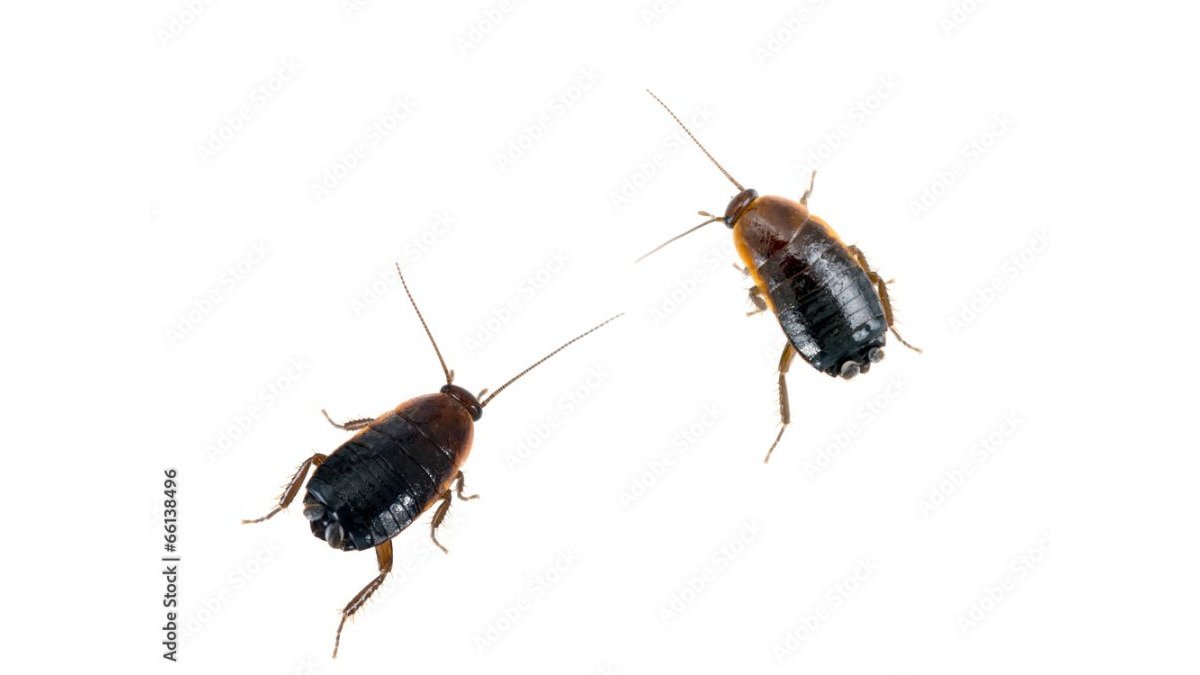
Here's why. Cockroaches don't need your crumbs. They need three things: moisture, shelter, and a way in. A gleaming bench top gives them none of those, but a dripping tap under the sink gives them all three.
So the mess myth is backwards. Filth makes an infestation worse, but cleanliness alone won't keep roaches out.
Below, we'll break down the seven real reasons roaches show up in clean houses, and what actually works to stop them.
Common Cockroach Entry Points in Houses
Common cockroach entry points in houses include gaps under doors, cracks in walls, pipe penetrations, vents, and drain connections. Most are smaller than a five-cent coin, some as narrow as 1.6 mm, which is roughly the thickness of a two-dollar coin.
Roaches flatten their bodies and squeeze through gaps of just a few millimetres. A nymph can pass through a gap thinner than a credit card. That is why a visual check is not enough; you need to think like a roach and follow the moisture.
Run a Room-by-Room Pest-Proofing Audit
Most homeowners seal one or two obvious gaps and stop. A proper audit means checking every room against the same checklist. Here is what to look for, room by room:
Kitchen and laundry
- Gaps under the kickboards of base cabinets (often 5-10 mm)
- Holes where water pipes and waste pipes enter the wall
- Loose or missing escutcheon plates behind taps
- Gaps between the splashback and benchtop
- Untaped joints in cabinetry carcasses
Bathroom and ensuite
- Gaps around the base of the toilet and vanity
- Cracks in floor tiles or grout
- Unsealed penetrations for shower and basin plumbing
- Exhaust fan housings that do not sit flush with the ceiling
Living areas and bedrooms
- Gaps under external doors (use a door snake or brush seal)
- Cracks in skirting boards and cornices
- Holes behind power points and light switches
- Gaps where air-conditioning or heating ducts pass through walls
Garage, roof void, and subfloor
- Weep holes in brickwork that are unscreened
- Gaps around garage door frames and roller door tracks
- Roof void access panels that do not seal
- Subfloor vents without mesh
Sealing Products That Actually Work
Not all sealants are equal. For gaps under 5 mm, a flexible acrylic sealant works well. For larger gaps, use expanding foam or a physical barrier such as stainless-steel mesh. Avoid silicone in areas that may need future access, as it is difficult to remove cleanly.
For door gaps, a brush seal or automatic door bottom is more durable than a foam strip.
The Hitchhiker Phenomenon: How They Arrive on Groceries and Furniture
Cockroaches often arrive as stowaways. They hitch a ride on grocery bags, cardboard boxes, second-hand furniture, and even egg cartons.
- Unpack groceries outside or in the garage
- Break down and bin cardboard boxes quickly
- Inspect second-hand furniture before bringing it inside
- Check potted plants and their saucers
Moisture and Water Sources: The Hidden Attractant
Moisture is the number one attractant in a clean home. Cockroaches can survive weeks without food but only days without water.
Common moisture sources to check:
- Leaking pipes under sinks and behind appliances
- Condensation on windows and cold water pipes
- Dripping taps and slow-draining sinks
- Wet areas around showers and laundry tubs
- Blocked or poorly drained gutters
Signs of Cockroach Infestation to Watch For
Signs of cockroach infestation include droppings, shed skins, egg cases, a musty smell, and live roaches seen during the day. Daytime sightings usually mean a large population.
Look for these specific clues:
- Small dark droppings that look like ground pepper or coffee
- Brown, hollow shed skins near cracks and cupboards
- Oval egg cases glued behind appliances and under furniture
- A greasy, musty odour in cupboards
- Smear marks along skirting boards and door frames
Structural Vulnerabilities: Modern vs. Older Homes
Older homes and newer homes fail in different ways. Older houses tend to have more gaps, cracked mortar, and worn weather stripping. Newer builds can have poorly sealed service penetrations and drainage issues.
Older Homes (Pre-1980s)
Homes built before the 1980s often have:
- Timber floorboards with gaps between boards, especially after decades of expansion and contraction. These gaps are ideal harbourage for German cockroaches.
- Cracked mortar and brickwork that allows moisture ingress and creates dark, humid voids.
- Original drainage systems with clay or concrete pipes that crack and shift, giving roaches a direct route from sewers.
- Lath-and-plaster walls that develop hairline cracks and hollow cavities.
- Less effective damp-proof courses, leading to rising damp in subfloors and walls.
The fix for older homes is often about moisture management first. Repairing drainage, improving subfloor ventilation, and sealing cracks in masonry will do more than surface-level cleaning.
Newer Homes (Post-2000)
Newer builds have their own vulnerabilities:
- Multiple service penetrations through slabs and walls for plumbing, electrical, and data cables. Each penetration is a potential entry point if not sealed with fire-rated collars or sealant.
- Tight building envelopes that trap moisture from showers, cooking, and laundry. Without adequate mechanical ventilation, condensation builds up in wall cavities and roof voids.
- Prefabricated cabinetry with gaps behind kickboards and between modules. These voids are warm, dark, and often close to plumbing.
- Slab-on-ground construction with penetrations for drains and pipes that may not be fully sealed.
- Ducted air-conditioning with ceiling vents that can become highways between roof voids and living spaces.
A common pattern in newer homes is a roach problem that starts in the roof void or wall cavity and only becomes visible when the population overflows into the kitchen or bathroom.
What This Means for Your Pest-Proofing Plan
If you live in an older home, prioritise:
- Subfloor ventilation and drainage repairs
- Sealing gaps in timber floors and skirting boards
- Repairing cracked mortar and render
If you live in a newer home, prioritise:
- Sealing all service penetrations with appropriate sealant or mesh
- Improving bathroom and kitchen exhaust ventilation
- Checking roof void access panels and air-conditioning vents
Structural integrity matters more than the age of the building. A well-sealed 1920s cottage can be more roach-resistant than a poorly detailed 2015 townhouse.
Proximity to Neighbours and Multi-Unit Housing
Living in a multi-unit block changes the rules. Roaches travel between units through shared walls, ceiling voids, and drainage infrastructure.
What helps:
- Seal gaps around your own pipes and penetrations
- Keep your unit dry and well-ventilated
- Report shared moisture and drainage problems to your strata or property manager
- Coordinate treatment across units when possible
When to Call Professional Cockroach Pest Control
Professional cockroach pest control is worth calling when you see roaches in daylight, find egg cases, or have tried baits and traps without success. A persistent problem usually needs a targeted treatment plan, not just more cleaning.
Here's how the two approaches compare:
| Situation | Best Approach | Why |
|---|---|---|
| One roach, no other signs | DIY monitoring | Likely a hitchhiker, not an infestation |
| Droppings and egg cases | DIY bait plus sealing | Early problem, still manageable |
| Daytime sightings | Professional treatment | Population is established |
| Multi-unit building | Professional plus strata coordination | Shared entry points need shared action |
| Recurring after DIY | Professional IPM plan | Source hasn't been found |
Frequently Asked Questions
Can cockroaches live in a perfectly clean house?
Yes. Cockroaches survive in clean houses because they need food, water, and shelter, not dirt. A clean home still offers moisture from leaking pipes, condensation, and drainage infrastructure. They also feed on tiny crumbs, pet food, and even cardboard boxes. Entry points like gaps and crevices around windows and doors let them in regardless of sanitation. Cleanliness reduces attractants but doesn't guarantee a pest-free home. Exclusion and moisture control matter just as much.
How do cockroaches get into a clean house?
Cockroaches enter through common cockroach entry points in houses such as gaps under doors, cracks in walls, ventilation openings, and sewer lines. They can also hitchhike on secondhand furniture, grocery bags, and cardboard boxes. In multi-family housing, they travel between units through shared walls and plumbing. Weather stripping and caulking around pipes and windows help block these routes. Regular inspections of these areas make a real difference.
What are the early signs of cockroach infestation?
Look for droppings that resemble black pepper or coffee grounds, shed skins, and egg cases near hiding places like behind appliances and under sinks. A musty, oily odour can also indicate an infestation. Seeing cockroaches during the day often means the population is large. If you notice these signs of cockroach infestation, act quickly. Early intervention with roach bait or professional cockroach pest control prevents the problem from spreading.
How do I get rid of cockroaches if my house is clean?
Start with a pest-proofing audit: seal gaps and crevices, fix leaking pipes, improve ventilation, and reduce clutter. Use roach bait in cracks and crevices rather than sprays, which can scatter them. If the infestation persists after two weeks, call professional cockroach pest control. They can identify species, apply targeted treatments, and advise on exclusion. Integrated pest management combines sanitation, exclusion, and monitoring for lasting results.
A clean house is still a roach target when moisture, gaps, and shared walls give them a way in. Challenge Pest Control has protected homes and businesses since 1987 with fully insured, guaranteed pest management, 24/7 availability, and free quotes. Call 0422926291 and book today to keep your home genuinely pest-free.