 how-to
How to Get Rid of Ants in Kitchen Naturally: 2026 Guide
Table of Contents
- Step 1: Confirm You Have an Ant Infestation, Not Just Visitors
- Step 2: How to Find Ant Entry Points in the Kitchen
- Step 3: Natural Ant Repellent for Kitchen Counters and Surfaces
- Step 4: DIY Baits That Target the Colony, Not Just Worker Ants
- Step 5: Kitchen Hygiene and Sanitation to Remove Food Sources
- Step 6: When to Call Professional Pest Control for Ants
- Frequently Asked Questions
Last Updated: September 21, 2026
Step 1: Confirm You Have an Ant Infestation, Not Just Visitors
A few ants in kitchen on the bench is not the same as an infestation. Learning how to get rid of ants in kitchen naturally starts with knowing which problem you actually have.
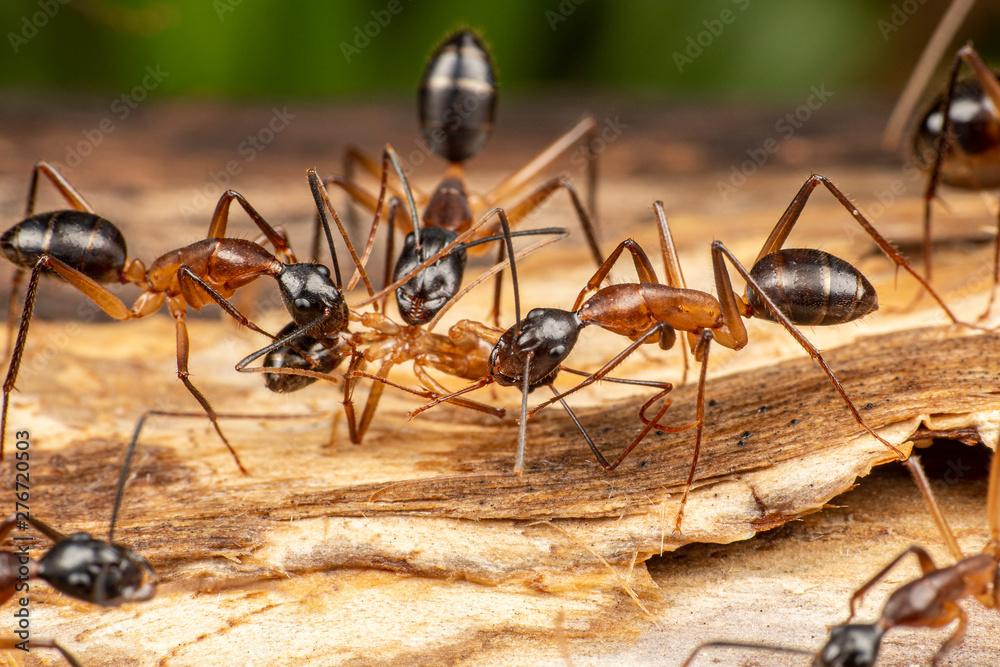
An ant infestation is an established colony nesting in or near your home, with worker ants running regular routes to a food source. One or two scouts wandering in is normal, especially after rain.
So how do you tell the difference?
- Just visiting: a few ants, no clear trail, gone within a day
- Infestation: a visible trail, ants returning to the same spot, activity that lasts more than 48 hours
- Heavy infestation: multiple trails, ants appearing in several rooms, activity day and night
The colony is the target, not the ants you can see. Keep that in mind for every step below.
Step 2: How to Find Ant Entry Points in the Kitchen
Finding entry points means following the ants backward. Don't watch where they're going. Watch where they came from.
Check these common spots:
- Gaps where pipes enter walls under the sink
- Cracked or lifting skirting boards
- Window frames and door thresholds
- Powerpoint and light switch plates
- Behind the dishwasher and oven
- Silicone seals around the sink and splashback
Step 3: Natural Ant Repellent for Kitchen Counters and Surfaces
Other options that many homeowners find effective:
- Essential oils: peppermint, tea tree, eucalyptus, clove. Dilute 10-15 drops per cup of water in a spray bottle. Never apply undiluted.
- Lemon juice: wipe along entry points and bench edges
- Cinnamon or chilli powder: sprinkle along thresholds as a barrier method
- Baby powder: creates a surface ants struggle to cross
A word on pets: essential oils can be toxic to cats and dogs, especially in concentrated form. Keep treated surfaces out of reach, and ventilate the kitchen well.
Step 4: DIY Baits That Target the Colony, Not Just Worker Ants
Baiting is the only DIY method that reaches the colony. Repellents push ants away. Baits make worker ants carry a slow-acting toxicant back to the nest, where it is shared with the queen and the rest of the colony through trophallaxis, the mouth-to-mouth food sharing that holds an ant colony together.
The borax ratio that actually works
A basic recipe:
- Mix 1 teaspoon borax with 3 tablespoons of honey, jam or peanut butter
- Add a splash of water to loosen the mix
- Soak small cotton balls or place dabs on pieces of cardboard
- Set them along the trail, close to entry points
- Leave them for 5-7 days without disturbing
That works out to roughly a 1:9 borax-to-food ratio by volume. Too much borax and the ants die before they get back to the nest. Too little and it does nothing. If you are eyeballing it, err on the weaker side, a bait that is too weak still gets carried home, while a bait that is too strong kills on contact and teaches the colony nothing.
Sugar bait or protein bait? Read the ants, don't guess
What most guides miss: ants change their food preference. A colony's nutritional needs shift through the season and through its own life cycle. Early in a brood cycle, workers forage harder for protein to feed larvae. Later, sugar demand rises. Some species, like coastal brown ants, lean protein-heavy year-round.
How to tell if the bait is being taken
You should see more ants on the bait for the first day or two. That is normal and it means the bait is working, the pheromone trail is recruiting more foragers to a rich food source. Signs the job is progressing:
- Traffic to the bait peaks, then visibly drops over 3-5 days
- The original kitchen trail thins out or disappears
- You start finding dead or disoriented workers near the nest rather than on the bench
Signs it is not working:
- Ants walk straight past the bait to their usual food source
- The bait dries out or is ignored within a few hours
- Traffic to the bait never increases at all
Why you should not spray while baiting
This is the single most common mistake. If you bait and spray the visible trail at the same time, you kill the very workers you need to carry the toxicant home. Bait first, keep the trail intact, and leave surface spray alone until the baiting period is finished. Repellents like vinegar and essential oils have the same problem, they disrupt the trail the bait depends on, so keep them off the baited route.
Step 5: Kitchen Hygiene and Sanitation to Remove Food Sources
You can bait and spray all you like, but if the kitchen keeps feeding ants, they'll keep coming back. Food source removal is the step most people rush.
Start with the obvious:
- Wipe benches after every meal, not just at night
- Store all food in sealed containers, including pet food
- Empty the bin daily and rinse it weekly
- Clean under and behind the fridge and oven
- Fix dripping taps (ants need water too)
Then the less obvious:
- Rinse recyclables before they go in the bin
- Check fruit bowls daily for ripe or split fruit
- Vacuum crumbs from under the toaster and kettle
- Wipe down the outside of honey, jam and syrup jars
Ants often nest indoors in wall cavities, behind kickboards or under tiles. If trails keep appearing in the same spot even after cleaning, the nest may be inside the kitchen itself.
Step 6: When to Call Professional Pest Control for Ants
DIY works for small, recent problems. Professional pest control for ants is the smarter call when any of these apply:
- The trail keeps returning after two weeks of correct baiting
- You've found ants in multiple rooms
- You've spotted ants near electrical fittings or wiring
- You have young kids, pets, or a household member with chemical sensitivities
- The nest is inside a wall cavity or under a slab
Why species identification changes the plan
You do not need to be an entomologist. A few observable traits narrow it down enough to change your approach:
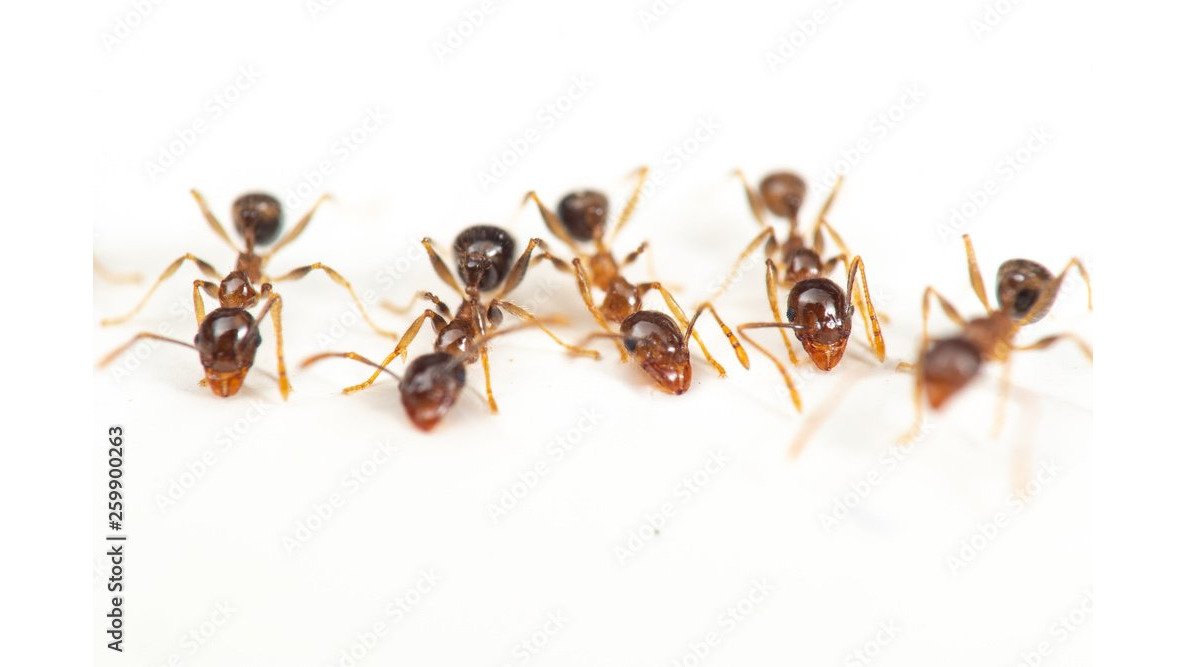
- Coastal brown ants, small, uniform brown, often trailing in long steady lines. Respond well to protein-heavy baits. Common around slab edges and paving.
- Black house ants, glossy black, 2-3 mm, strong sweet preference. Usually baitable with a sugar-based mix, but colonies can be large and slow to collapse.
- White-footed house ants, dark body with pale legs and feet, often seen in kitchens and wall voids. These are the problem species. They are notoriously hard to bait and are prone to budding, when disturbed, part of the colony splits off and starts a new nest elsewhere. Spraying a trail can turn one nest into three.
- Carpenter ants, larger, often black or reddish-black, and they nest in damp or damaged timber rather than in the kitchen itself. Seeing them indoors usually points to a moisture problem in the building fabric, not a crumb problem on the bench.
What a professional inspection adds
A licensed technician can do three things a homeowner generally cannot:
- Trace the nest rather than the trail, following pheromone routes back to the actual entry and nesting site, including wall voids and subfloor spaces.
- Identify the species and select a bait or non-repellent treatment matched to its foraging behaviour, rather than a generic surface spray.
- Treat without triggering budding, using non-repellent products and targeted placement so the colony is eliminated rather than scattered.
Frequently Asked Questions
What is the fastest natural way to get rid of ants in the kitchen?
Vinegar spray is the quickest short-term fix. Mix equal parts white vinegar and water in a spray bottle and wipe down benches, skirting boards and entry points. The acetic acid destroys the pheromone trails scout ants leave behind, so trailing stops within minutes. It is not a long-term solution because it does not touch the colony, but it buys you time while you set up baits and seal entry points.
What smells do ants hate the most?
Ants avoid strong citrus, peppermint, tea tree, eucalyptus, clove and cinnamon scents. These work as natural ant repellent for kitchen counters because the compounds interfere with the pheromone trails ants rely on to navigate. A few drops of essential oil diluted in water and sprayed along skirting boards and bench edges is enough. Reapply every few days because the scent fades and ants will return once it does.
How long does vinegar keep ants away?
Vinegar typically keeps ants away for a few hours to a day. It destroys the pheromone trail on contact, but new scout ants will lay fresh trails once the vinegar smell fades. For lasting results, use vinegar as part of a routine that includes sealing entry points, storing food in airtight containers and setting bait stations. Expect to reapply vinegar every day or two until the colony is dealt with.
When should you call professional pest control for ants?
Call a professional pest control service if ants keep returning after two to three weeks of DIY baiting, if you see them in multiple rooms, or if you find nests inside walls or under flooring. Species like coastal brown ants and black house ants can build satellite colonies that home baits rarely reach. A licensed technician can identify the species, treat the nest directly and apply a residual barrier that lasts months.
Ants in the kitchen are a symptom, not the problem. The colony is the problem, and it's usually hiding somewhere you can't see. Challenge Pest Control offers 24/7 availability, guaranteed work, and free quotes, so you can get a proper inspection without the guesswork. Call 0422 926 291 and book today.