 how-to
Are Pest Control Chemicals Safe for Pets? A 2026 Guide
Table of Contents
- How Pest Control Chemicals Affect Pets
- Signs of Pesticide Poisoning in Pets
- Pet Safe Pest Control Preparation: Getting Your Home Ready
- How Long to Keep Pets Away After Pest Spray
- Pet-Friendly Alternatives and Professional Pest Management
- What to Do If Your Pet Is Exposed to Pest Control Chemicals
- Conclusion
- Frequently Asked Questions
Last Updated: September 27, 2026
How Pest Control Chemicals Affect Pets
Pest control chemicals can be safe for pets when applied correctly, but the risk depends on the product, the dose, and how your pet comes into contact with it. At Challenge Pest Control, we've treated homes across Perth since 1987, and the question we hear most is simple: will this hurt my dog or cat?
The honest answer is that most registered products carry some level of risk. The Australian Pesticides and Veterinary Medicines Authority (APVMA) assesses every product before it can be sold. APVMA guidance on pesticide safety sets out how these chemicals must be labelled and used.
The real danger isn't the spray itself. It's what happens when a pet walks across a treated surface, then licks its paws.
Common Active Ingredients and Their Risks
Different chemicals carry different risks. Here's what you'll find in most household treatments:
- Organophosphates and carbamates - affect the nervous system. High risk to pets.
- Pyrethrins and pyrethroids - common in flea and tick products. Toxic to cats at certain doses.
- Rodenticides - anticoagulant baits cause internal bleeding in pets.
- Insect growth regulators - low toxicity, but can cause stomach upset.
The dose makes the poison. A small dog walking on a dry surface faces far less risk than one that eats a bait block.
How Pets Are Exposed: Ingestion, Skin Contact, and Inhalation
Pets get exposed in three main ways. Ingestion happens when they lick treated surfaces or eat bait. Skin contact occurs through dermal absorption on paws and bellies. Inhalation is the least common but matters most in poorly ventilated spaces right after spraying.
Cats are especially vulnerable. They groom constantly, so anything on their fur ends up in their mouth.
Signs of Pesticide Poisoning in Pets
The signs of pesticide poisoning in pets appear within hours to days, depending on the chemical and exposure route. Early recognition saves lives.
Watch for these symptoms:
- Vomiting, drooling, or diarrhoea
- Tremors, twitching, or seizures
- Trouble breathing or excessive panting
- Drooping eyelids, weakness, or stumbling
- Excessive salivation or dilated pupils
- Bleeding from the nose or gums (rodenticides)
If you see any of these, call your vet immediately. Don't wait to see if it passes.
The Pet Poison Helpline is a useful resource, though Australian pet owners should contact their local vet or the Animal Poisons Helpline first.
Pet Safe Pest Control Preparation: Getting Your Home Ready
Pet safe pest control preparation starts before the technician arrives. A little planning protects your animals and makes the treatment more effective.
Here's a simple checklist:
- Remove all pet food, water bowls, and toys from treatment areas
- Cover fish tanks and turn off their filters
- Move bird cages to a separate room or outdoors
- Pick up pet bedding and wash it after treatment
- Close off rooms that won't be treated
- Arrange for pets to stay elsewhere during application
Tell your technician about every animal in the home. Fish, reptiles, and birds are often more sensitive than cats and dogs.
How Long to Keep Pets Away After Pest Spray
How long to keep pets away after pest spray depends on the product, the application method, and the animal. Most indoor surface treatments need 2 to 4 hours of drying time. Some outdoor residual sprays need 24 hours. But "dry" is not the same as "safe for every species", and the difference matters most for cats, birds, reptiles, and fish.
| Treatment Type | Typical Wait Time | Notes |
|---|---|---|
| Indoor surface spray | 2-4 hours | Until fully dry; ventilate well |
| Outdoor perimeter spray | 4-24 hours | Keep pets off treated lawn and garden beds |
| Baits and traps | Until removed | Secure from pets at all times; assume a pet can reach anything a rodent can |
| Flea treatment (spot-on) | 24-48 hours | Follow label exactly; keep treated dogs away from cats |
| Fogger or space spray | 4-8 hours plus ventilation | Fish tanks must be covered and filters off |
Species-Specific Waiting Periods
A single wait time does not fit every pet. Use these as a starting point and always defer to the label:
- Dogs - generally the most tolerant. Standard drying times apply, but keep them off treated lawns for the full outdoor re-entry period.
- Cats - more sensitive to pyrethroids and to anything they can groom off their fur. Add at least 2 extra hours beyond the label's drying time, and wipe paws with a damp cloth before letting them back in.
- Birds - their respiratory systems are highly efficient and their bodies are small. Move cages to a separate, well-ventilated room or outdoors before treatment, and do not return them until the treated area has been ventilated for at least 24 hours. Cover cages during transport to avoid aerosol drift.
- Reptiles and amphibians - they absorb chemicals through their skin and are very sensitive to aerosols. Remove enclosures entirely from the treated building, and do not return them until the area has been aired for at least 24 to 48 hours.
- Fish - never treat a room with an uncovered tank. Cover the tank, turn off the air pump and filter (so aerosols are not drawn into the water), and leave them off until the room is fully ventilated.
Post-Treatment Cleaning Protocol
Once the waiting period is over, a simple clean removes the residual film that pets pick up on paws and fur:
- Ventilate first. Open windows and run fans for at least 30 minutes before anyone re-enters.
- Wipe hard surfaces. Use a damp microfibre cloth on floors, skirting boards, window sills, and any surface at pet height. Rinse the cloth often.
- Mop hard floors. A mild detergent and warm water is enough. Avoid mixing cleaning chemicals with pesticide residue.
- Vacuum soft furnishings. Carpets, rugs, and pet bedding can hold residue. Vacuum, then wash pet bedding in hot water.
- Wash food and water bowls. Even if they were moved, wash them before refilling.
- Wipe pet paws. A damp cloth on paws and belly after the first walk back through treated areas reduces ingestion during grooming.
- Dispose of cloths and vacuum bags in a sealed bin, and wash your hands afterwards.
Ventilation speeds up drying and reduces airborne residue. Open windows and run fans where safe.
Pet-Friendly Alternatives and Professional Pest Management
Pet-friendly alternatives exist, but they aren't risk-free. Diatomaceous earth, essential oil sprays, and traps work for some pests. They rarely solve a serious infestation alone.
Integrated pest management (IPM) is the better approach. It combines prevention, monitoring, and targeted treatment. A professional assesses your home, picks the lowest-risk product that works, and applies it precisely.
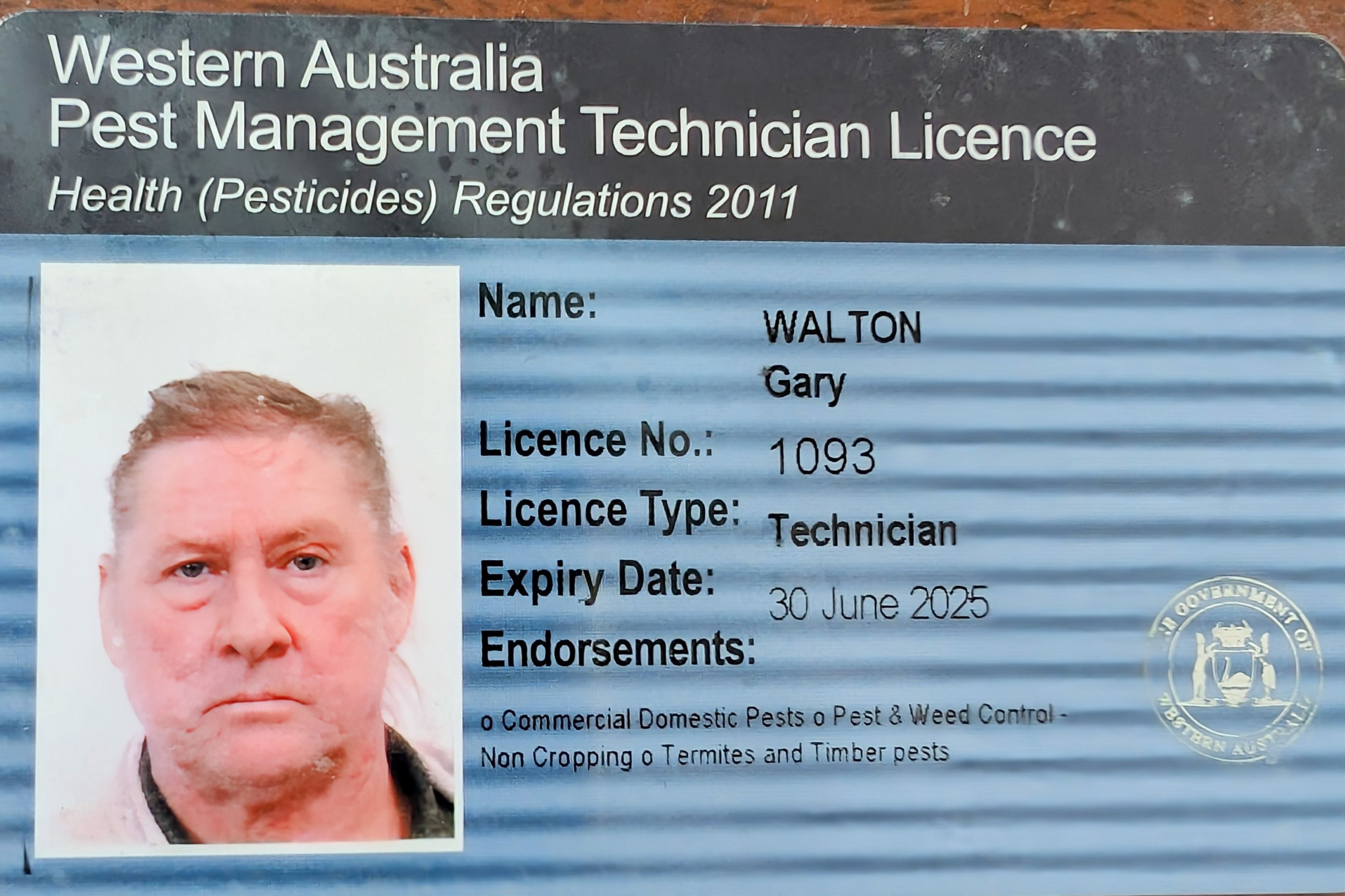
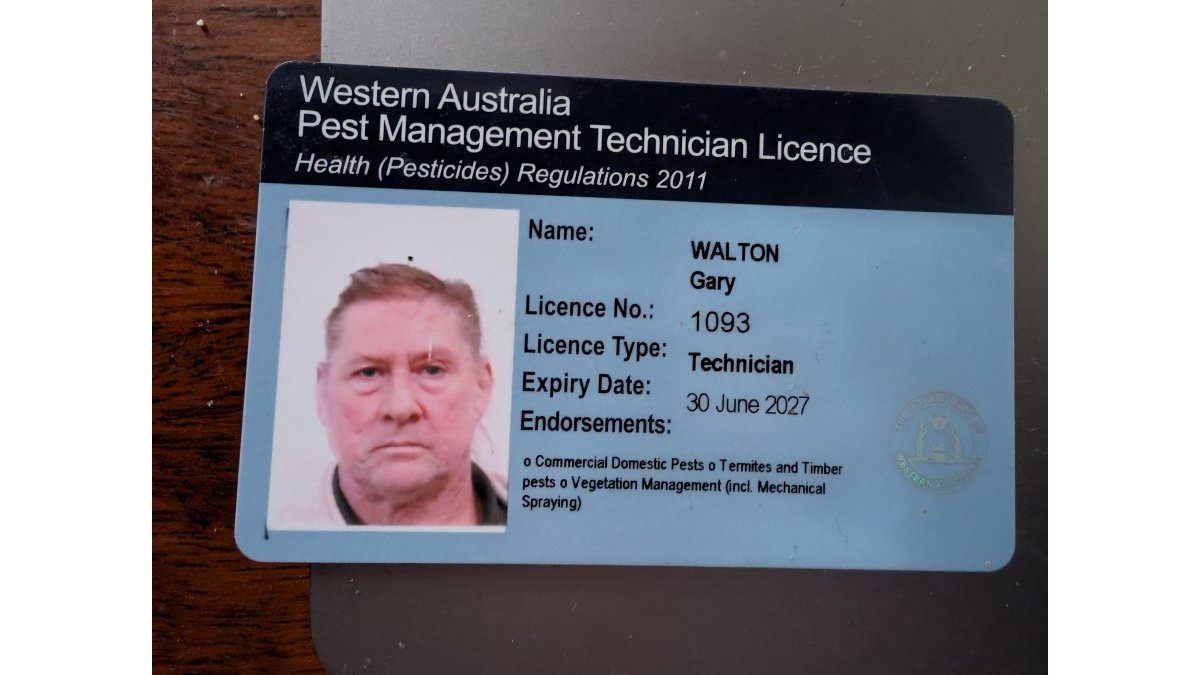
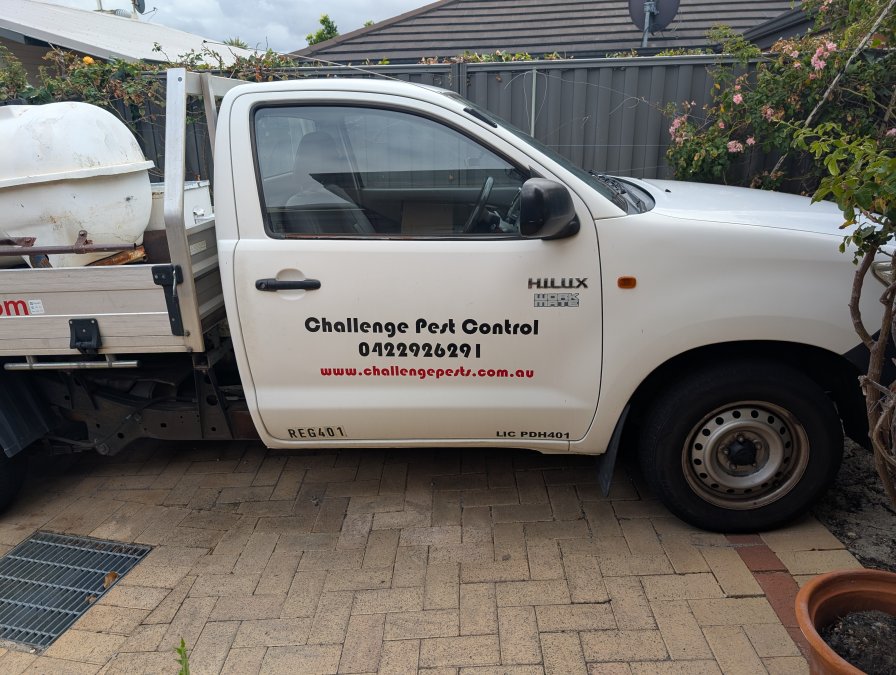
That's how Challenge Pest Control operates. We use registered products, follow label instructions, and give you clear guidance on waiting periods and re-entry. Our team is fully insured and licensed under Public Health License 401.
For pensioners, we offer discounts. Free quotes and free advice come standard.
What to Do If Your Pet Is Exposed to Pest Control Chemicals
If your pet is exposed, act fast. Remove it from the area and check for symptoms. Don't induce vomiting unless a vet tells you to.
Follow these steps:
- Move your pet to fresh air immediately
- Wash skin or paws with mild soap and warm water
- Collect the product label or container for the vet
- Call your vet or an animal poisons service right away
- Note the time of exposure and any symptoms
Don't wait for symptoms to worsen.
Conclusion
Pest control chemicals can be safe for pets when the right product is used correctly, with proper waiting periods and clear communication. The risk comes from shortcuts, unclear labels, and pets getting into treated areas too soon.
Call and book today on 0422926291.
Frequently Asked Questions
How long after pest control sprays is it safe for pets?
The waiting period depends on the product and application method. Most surface sprays and residual treatments require pets to stay off treated areas until dry, usually 2 to 4 hours. Some products need 24 to 48 hours. Your pest controller should provide specific instructions based on the active ingredients used. Always follow the label instructions and ask your technician directly before letting pets back into treated spaces.
What pest control chemicals are safe for pets?
Products containing pyrethrins or certain essential oil-based actives are generally considered lower risk when used correctly. However, no chemical is completely without risk. The safety depends on the active ingredient, concentration, application method, and how quickly pets are kept away. Professional pest controllers can select pet-friendly alternatives and adjust application methods to reduce exposure. Always confirm with your provider what is being used and any specific precautions for your pet.
What should I do if my pet walks on grass treated with pesticide?
Wash your pet's paws immediately with mild soap and water. Watch for symptoms of poisoning such as drooling, vomiting, tremors, or lethargy. If any signs appear, call your vet or a poison control centre straight away. Bring the pesticide product name or safety data sheet if possible. Most problems happen when pets lick treated surfaces before they are dry, so preventing access during the waiting period is the best protection.
Do professional pest controllers use pet-safe products?
Many professional pest management companies offer pet-friendly alternatives or can adjust their approach for households with companion animals. This might include using baits and traps instead of sprays, choosing lower-toxicity actives, or applying treatments in areas pets cannot access. When booking, tell your provider about your pets, their species, and any chemical sensitivity concerns. A reputable controller will explain the products, safety precautions, and waiting periods before treatment.