 listicle
7 Ways to Prevent Termites in Perth Gardens
Table of Contents
- 1. Manage Moisture and Improve Drainage Systems
- 4. Maintain Clear Garden Beds and Foundation Protection
- 5. Schedule Regular Professional Termite Inspections
- 6. Install and Maintain Termite Barriers
- 7. Know When to Call a Pest Management Professional
- Conclusion: Protect Your Garden and Home Year-Round
- Frequently Asked Questions
Last Updated: October 2, 2026
1. Manage Moisture and Improve Drainage Systems
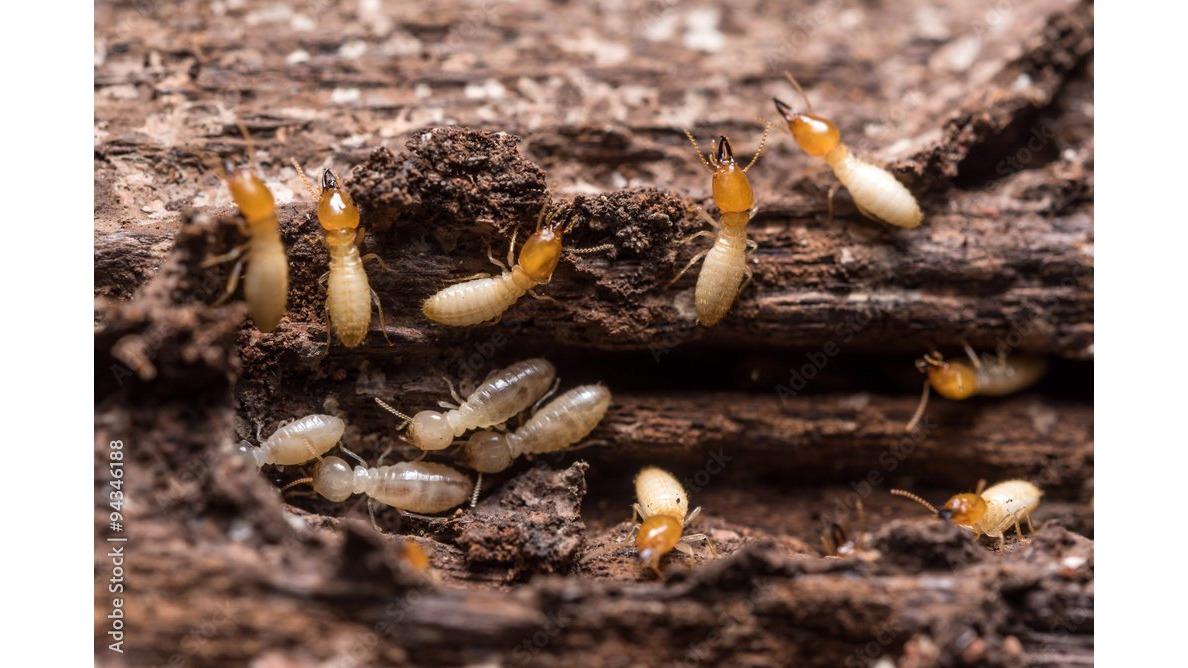
Moisture is the single biggest thing you can fix to prevent termites inviting themselves into your home. Damp soil creates the humid conditions these insects need, and in sandy coastal soils water drains fast in some spots and pools in others.
Start by walking your perimeter after rain. Look for pooling water, soggy patches, and soil that stays dark for days.
Fixing Leaking Pipes and Taps
A dripping outdoor tap or cracked irrigation line keeps soil permanently damp, which is exactly what foraging termites look for. Check every garden tap, reticulation joint, and downpipe connection each season.
Repair leaks promptly, a slow drip can saturate a garden bed within weeks.
A moisture meter is a cheap diagnostic tool for this job. Readings above roughly 20 per cent in soil near your external walls suggest a problem worth fixing before termites find it.
Gutter Maintenance and Overflow Prevention
Blocked gutters push water down your external walls and into the soil at your foundation, a core termite risk factor.
Clean gutters twice a year, more often with overhanging trees. Gutter guards reduce leaf litter and cut the overflow that feeds damp soil near your perimeter.
4. Maintain Clear Garden Beds and Foundation Protection
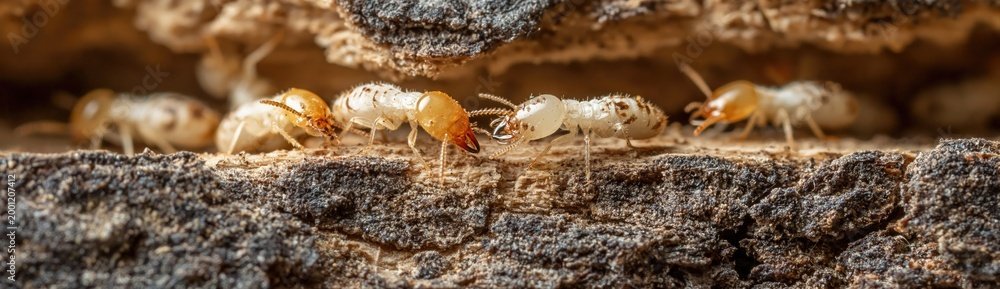
A cluttered, overgrown garden bed hides the early warning signs you need to see.
Keep a clear inspection zone. Aim for a visible strip of foundation, roughly 30 to 40 centimetres wide, running the full perimeter of the home.
Trim back shrubs, creepers, and ground cover that climb your external walls.
Foundation protection is really about visibility. You can't spot a problem you've hidden behind a hedge.
5. Schedule Regular Professional Termite Inspections
Regular termite inspections are the most reliable way to catch an infestation before it reaches your home's structural integrity.
A professional pest inspection checks areas you can't easily reach: subfloor spaces, roof voids and wall cavities.
Annual check-ups suit most properties. High-risk homes, those with previous termite activity, lots of nearby trees, or persistent moisture issues, may need inspections more often.
6. Install and Maintain Termite Barriers
A termite barrier is a continuous protective zone that stops subterranean termites reaching your home's timber. Physical, chemical and baiting systems work differently, and the right choice depends on whether you're building new, renovating or retrofitting an established home.
| Barrier Type | How It Works | Best For | Maintenance |
|---|---|---|---|
| Chemical barrier | Treated soil zone around the foundation | New builds and established homes | Reapplication over time |
| Physical barrier | Mesh or sheeting termites cannot pass | New construction | Minimal once installed |
| Baiting stations | Monitored stations that eliminate colonies | High-risk or long-term management | Regular professional monitoring |
Chemical Barriers
Chemical barriers treat the soil around your foundation with a termiticide, creating a zone termites won't cross. They suit established homes where a physical barrier can't easily be retrofitted, and are the most common retrofit option.
The catch is that the treated zone degrades. How long it lasts depends on the product, soil, drainage and disturbance from landscaping or paving.
Physical Barriers
Physical barriers use fine stainless-steel mesh or termite-resistant sheeting installed during construction, typically under the slab and around the perimeter.
If you are building, confirm with your builder which physical system is specified, that it is installed by a trained installer, and that you receive the manufacturer's certificate and warranty paperwork at handover. Without that paperwork, a future buyer's inspector cannot verify the barrier exists.
Baiting Stations
Baiting stations are installed in the ground around the perimeter and monitored on a schedule. Foraging termites take the bait back to the colony, eliminating it at the source.
The trade-off is that baiting is a monitoring system, not a set-and-forget barrier. It only works if the stations are checked on schedule and the bait is refreshed. Missed monitoring intervals are the most common reason a baiting system fails.
Who Can Legally Install and Certify a Barrier
This is the part most guides skip. In Western Australia, termite barrier installation and termite inspections are regulated activities.
Before you engage anyone, ask for:
- Their pest management technician licence number and the classes of work it covers
- Whether they are insured for termite work specifically
- A written scope of works describing the product, the treated zone or installation area, and any exclusions
- A certificate of installation and any manufacturer warranty documentation on completion
For new builds, the barrier is usually installed by the builder's subcontractor and the paperwork should be handed to you at completion. Keep it. It is one of the first things a pre-purchase inspector asks for, and without it the barrier is effectively unverifiable.
7. Know When to Call a Pest Management Professional
Some jobs are DIY-friendly. Termite management usually isn't. Knowing the threshold saves money and heartache.
DIY treatments like boric acid have a place for treating garden timber preventatively, but they won't stop an established colony.
The honest answer: prevention you can do yourself, but active infestations need expert diagnosis.
Signs of termites in your garden:
- Mud tubes on external walls or foundation
- Hollow or papery-sounding timber
- Discarded wings after swarming
- Bubbling paint or warped window frames
- Live termites in stumps, sleepers, or mulch
If you're seeing any of these, don't wait. Early detection is the difference between a targeted treatment and major structural repair.
Conclusion: Protect Your Garden and Home Year-Round
To prevent termites, treat it as a habit, not a one-off task. Manage moisture, clear timber, choose the right plants and mulch, keep your foundation visible, and stay on top of inspections.
When you want a team that handles the hard parts, Challenge Pest Control has protected homes and businesses since 1987.
Get started with Challenge Pest Control and keep your garden and home safe year-round. Call 0422926291 to book today.
Frequently Asked Questions
What are the signs of termite activity in garden beds?
Look for mud tubes on timber, tree stumps, or retaining walls. Hollow-sounding wood, bubbling paint, and discarded wings near windows are also warning signs. In garden beds, check for soft or sagging timber and termite droppings that resemble sawdust. Subterranean termites often enter through wood-to-soil contact, so inspect any timber touching the ground. If you spot any of these signs, arrange a professional pest inspection immediately. Early detection protects your home's structural integrity and saves on costly repairs.
How much does a termite inspection cost?
Termite inspection cost varies based on property size, accessibility, and the level of detail required. Most professionals offer free quotes, so you can get an accurate figure before booking. Some companies charge a fee for the inspection itself, while others include it in a broader pest management plan. Challenge Pest Control provides free quotes and advice, with pensioner discounts available. Regular annual check-ups are far cheaper than repairing structural damage, so treat the inspection as preventative maintenance rather than an expense.
How far should garden beds be from house foundations?
Keep garden beds at least 300mm away from external walls and foundations. This gap lets you inspect for termite activity and prevents soil or mulch from bridging the barrier. Wood-to-soil contact is a primary risk factor for subterranean termites. If you use organic mulch, keep it shallow and never pile it against the slab. Inorganic options like stone or gravel are safer near the home because they do not provide a food source. Regular checks of this perimeter are essential for foundation protection.
Do wood chips in the garden attract termites?
Yes, organic mulch such as wood chips retains moisture and provides cellulose, which attracts termites. Subterranean termites forage through soil and are drawn to damp, decaying timber. If you use wood chips, keep them at least 300mm from the foundation and avoid thick layers that stay wet. Inorganic mulch like gravel or stone is a better choice near the home. Whichever you choose, monitor moisture levels and fix drainage issues promptly to reduce property vulnerability.
What is the best termite barrier for residential gardens?
The best termite barrier installation depends on your property's risk factors and soil conditions. Chemical barriers create a treated zone in the soil that repels or eliminates termites. Physical barriers use stainless steel mesh or crushed stone to block entry. Baiting stations intercept foraging termites and eliminate the colony. Many homes combine methods for better protection. A pest management professional can assess your garden and recommend the most suitable option based on local termite activity and drainage.