 blog
10 Signs You Need Professional Pest Control
Table of Contents
- 10 Signs You Need Professional Pest Control
- 1. Droppings and Pest Waste
- 2. Gnaw Marks and Chewed Wires
- 3. Scratching, Rustling, and Scurrying Noises
- 4. Unusual Smells in Hidden Areas
- 5. Nests, Burrows, and Hiding Places
- 6. Live Sightings of Rodents, Ants, Cockroaches, or Flies
- 7. Holes in Walls and Hollow Sounds in Wood Beams
- 8. Grease Marks and Rub Trails Along Skirting Boards
- 9. Damage to Food Packaging and Stored Goods
- 10. Pets or Children Showing Unexplained Reactions
- Isolated Pest or Established Infestation?
- When to Call Pest Control Instead of Going DIY
- What Happens During a Professional Pest Inspection
- Pest Control Treatment Preparation: What to Do Before the Visit
- How Long Pest Control Takes to Work
- Health and Safety by Pest Type
- Preventing Recurring Pest Activity After Treatment
- Frequently Asked Questions
Last Updated: October 12, 2026
10 Signs You Need Professional Pest Control
Most homeowners spot the warning signs too late, once a small problem has become a full-blown infestation. This guide from Challenge Pest Control breaks down the 10 signs you need professional pest control, so you can act early.

A pest infestation is an established population living and breeding inside your property, not a single insect wandering in from outside.
We have worked with homeowners and businesses since 1987. Below, we cover what to look for and when to stop trying home remedies.
1. Droppings and Pest Waste
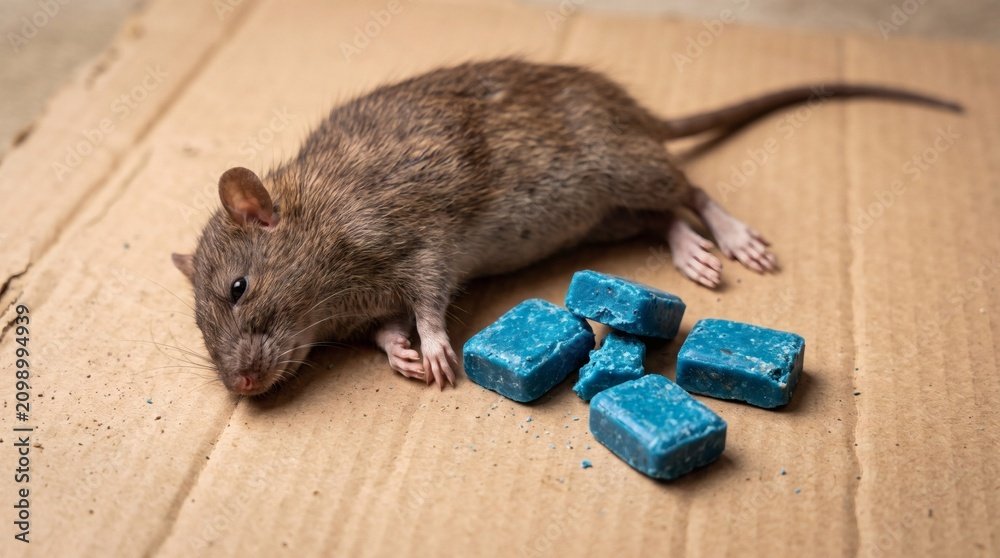
Droppings are the clearest sign of pest activity. Rodent droppings look like dark grains of rice. Cockroach droppings resemble ground coffee or black pepper.
Check behind appliances, under sinks, and along walls. Fresh droppings mean active pests. Wear gloves and a mask, and never vacuum dry droppings, as this spreads bacteria into the air.
2. Gnaw Marks and Chewed Wires
Rodents gnaw constantly to wear down their teeth. Look for teeth marks on food packaging, furniture, and cables. Chewed wires are a serious fire risk. If you find gnaw marks near power points, call a pest controller straight away.
3. Scratching, Rustling, and Scurrying Noises
Noises in the walls or ceiling usually point to rodents or possums. Scratching and scurrying sounds are loudest at night when pests are most active. Hollow sounds when you tap a wall can mean a nest inside.
4. Unusual Smells in Hidden Areas
A strong, musty, ammonia-like smell often signals a pest problem. Rodent urine leaves a sharp odour that builds up over time. A dead pest in a wall cavity creates a rotting smell that lingers for weeks.
5. Nests, Burrows, and Hiding Places
Nests are made from shredded paper, fabric, grass, and insulation. Check roof spaces, under decks, and inside wall cavities; burrows in the garden often mean rats or mice. Some birds and native animals are protected, so never disturb a nest without advice.
6. Live Sightings of Rodents, Ants, Cockroaches, or Flies
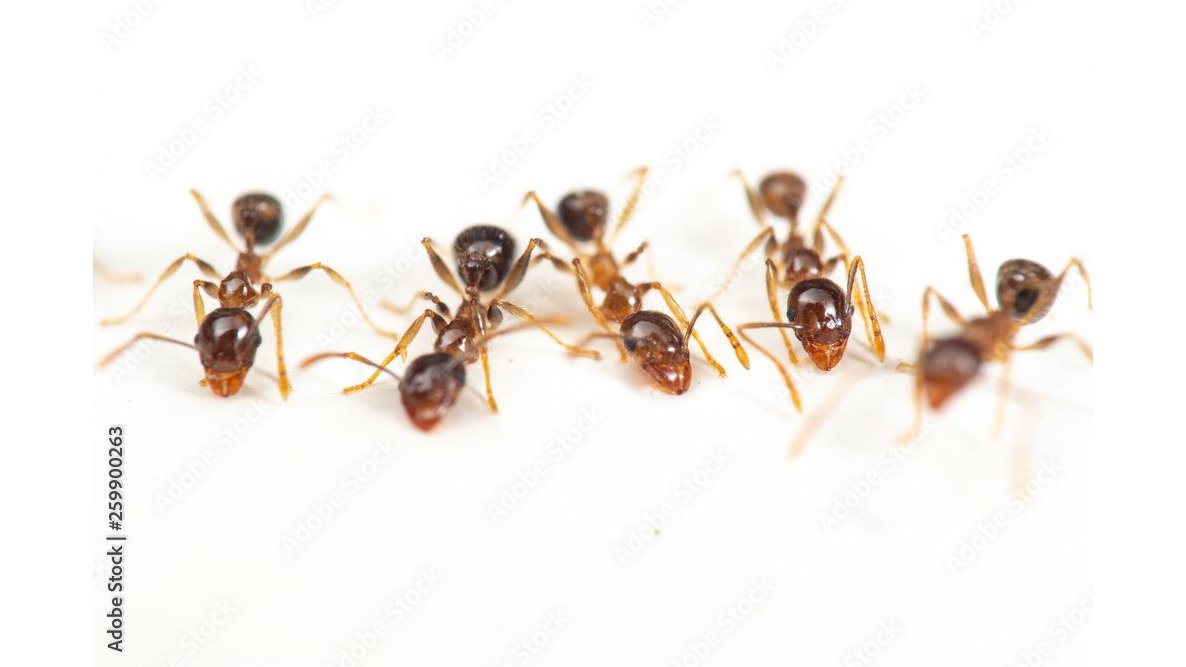
Seeing one pest during the day is a warning. Cockroaches and rodents are nocturnal, so spotting them in daylight suggests a large population. A steady trail of ants or a sudden swarm of flies points to a nest nearby.
7. Holes in Walls and Hollow Sounds in Wood Beams
Small holes in walls, skirting boards, or wood beams suggest pests are moving through your home. Tap along timber and listen for hollow sounds. Termites eat wood from the inside out, so damage is often hidden until it is severe.
8. Grease Marks and Rub Trails Along Skirting Boards
Rodents leave greasy rub marks where their bodies brush against walls. These dark smears along skirting boards and around pipes show the regular paths pests use to move around your home.
9. Damage to Food Packaging and Stored Goods
Chewed packets and torn boxes in the pantry mean pests have found your food. Store dry goods in sealed containers. Check cereal, flour, and pet food, which attract rodents and pantry moths.
10. Pets or Children Showing Unexplained Reactions
Pets often notice pests before people do. A dog barking at a wall or a cat staring at the ceiling can signal activity. Unexplained bites, rashes, or breathing issues in children may point to pests or their waste. Seek medical advice for any health symptoms.
Isolated Pest or Established Infestation?
One ant is not an infestation. The line between a stray pest and a real problem comes down to numbers, timing, and evidence.
- Are you seeing the same pest type repeatedly?
- Is there droppings, damage, or nesting material?
- Have sightings continued for more than a week?
If you answered yes to two or more, you likely have an established infestation. When in doubt, a pest inspection gives you a clear answer.
When to Call Pest Control Instead of Going DIY
Home remedies can work for a single stray insect or a small, contained problem, but they fail against an established colony and can be unsafe when the wrong product meets the wrong pest. Know which situation you are in before buying another supermarket spray.
When DIY is reasonable
DIY is usually fine when the evidence is limited and recent:
- You have seen one or two insects and no droppings, damage, or nesting material
- The activity is confined to a single room or a single outdoor area
- You have not seen the same pest type repeatedly over more than a week
Even then, use only products registered for that pest and follow the label exactly. Mixing chemicals, over-applying, or using outdoor products indoors can create a bigger hazard than the pest.
When to stop and call a professional
Escalate to a licensed pest controller when any of these apply:
- The problem returns after treatment. Two or more DIY attempts with no lasting result usually means you are treating the visible pests, not the nest.
- You cannot find the source. If droppings, damage, or noises continue but you cannot locate where the pests are living, a professional inspection will find it faster than guesswork.
- There is damage to wiring, timber, or structure. Chewed cables are a fire risk, and hollow-sounding timber can indicate termites. Both need a qualified inspection, not a DIY spray.
Safety and legal limits of DIY
DIY pest control is not just about effectiveness. It is also about safety and the law:
- Never mix different pesticides or decant them into unlabelled containers
- Keep baits and traps away from children, pets, and food preparation areas
- Do not use outdoor-only products inside the home
A licensed pest controller carries the right products, knows which treatment suits each pest type, and can explain the safety precautions for your household. That is often cheaper than repeated failed DIY attempts plus the damage they fail to stop.
What Happens During a Professional Pest Inspection
A pest inspection is a structured check of your property to find pests, entry points, and conditions that attract them, not just a spray-and-go visit. Understanding what happens helps you get more value from it.
Before the inspection
A few simple steps make the visit more thorough and safer:
- Clear access to roof spaces, subfloor areas, cupboards, and skirting boards
- Note where you have seen pests, droppings, damage, or heard noises
- Secure pets and keep children away from inspection areas
What the technician inspects
A thorough inspection typically covers:
- Interior: kitchen, pantry, bathrooms, laundry, skirting boards, wall cavities where accessible, and stored goods
- Roof space: insulation, timbers, and evidence of rodents, possums, or birds
- Subfloor: moisture, ventilation, timber damage, and pest activity
The technician uses a torch, inspection tools, and sometimes moisture meters or cameras to check areas you cannot easily see.
Identification and activity assessment
Correct identification comes first. Different pests need different treatments, and some signs look similar. The technician will:
- Identify the pest species and confirm whether activity is current or old
- Assess the likely size and location of the population
- Look for entry points, food sources, and moisture that support the infestation
Findings, report, and treatment plan
After the inspection you should receive:
- A clear explanation of what was found and where
- A written report, often with photos of activity and entry points
- A recommended treatment plan with options where relevant
- A quote before any work begins
Ask questions here. A good pest controller will explain why a treatment is recommended, what it involves, and what results to expect.
Treatment options
Treatment depends on the pest and the situation. Common approaches include:
- Baits and gels for ants, cockroaches, and rodents
- Residual sprays for crawling insects and perimeter protection
- Dusts in wall cavities and roof spaces
Some treatments are low-odour and let you stay home; others require you to vacate for a set period. The technician will tell you which applies.
Safety instructions and follow-up
Before leaving, the technician should give you clear instructions:
- When it is safe to return to treated areas
- How long to keep children and pets away
- Whether to ventilate the property
According to the Department of Health's guidance on pest control, controlling pests early reduces health risks and property damage. A professional inspection is the fastest way to confirm what you are dealing with and stop it before it spreads.
Pest Control Treatment Preparation: What to Do Before the Visit
Good preparation makes treatment safer and more effective, and helps the pest controller work faster.
Before the visit:
- Clear cupboards, benches, and floors near treatment areas
- Store food in sealed containers or the fridge
- Cover or remove pet bowls, toys, and bedding
Tell your pest controller about any allergies, pregnancies, or health conditions in the home. This helps them choose the safest products.
How Long Pest Control Takes to Work
Most treatments start working within a few days, but full results take longer. Cockroaches and ants usually drop in numbers within a week.
Termite treatments work more slowly, and you may see activity for a short time as pests move through treated zones.
| Pest Type | First Results | Full Results |
|---|---|---|
| Ants | 1-3 days | 1-2 weeks |
| Cockroaches | 2-4 days | 1-2 weeks |
| Rodents | 3-7 days | 2-4 weeks |
| Termites | 1-2 weeks | 1-3 months |
| Spiders | 1-3 days | 1-2 weeks |
Health and Safety by Pest Type
Different pests carry different risks. Knowing them helps you protect your household.
- Rodents: spread bacteria through droppings and urine, and can trigger asthma
- Cockroaches: allergens can worsen asthma and cause skin reactions
- Ants: mostly a nuisance, but some species bite and contaminate food
If anyone in your home has health symptoms, speak to a doctor. A pest controller manages pests, not medical conditions.
Preventing Recurring Pest Activity After Treatment
Stopping pests from coming back takes ongoing effort. Treatment kills the current problem. Prevention stops the next one.
Simple habits that help:
- Store food in sealed containers and clean up crumbs
- Fix leaking taps and remove standing water
- Keep garbage bins closed and emptied often
We offer guaranteed work and follow-up support, so if pests return, we come back. Regular pest management keeps homes, rentals, and businesses protected year-round.
Frequently Asked Questions
What are the signs you need professional pest control?
The clearest signs include droppings, gnaw marks, scratching or scurrying noises in walls, unusual smells, nests or burrows, and live sightings of rodents, ants, cockroaches, or flies. If you notice two or more of these together, or any sign persists for more than a week, it's time to book a professional pest inspection. A licensed pest controller can confirm the species, find the entry points, and recommend a treatment plan.
When should you call a pest control professional?
Call a professional when DIY methods fail after two attempts, when you find chewed wiring or structural damage, when you suspect termites, or when the infestation is in wall cavities or roof voids. Also call immediately if anyone in the household has asthma, allergies, or chemical sensitivities. Early intervention reduces property damage and the overall cost of pest removal.
How long does professional pest control take to work?
Most general pest treatments show results within 3 to 7 days, though full elimination of cockroaches or rodents can take 2 to 4 weeks depending on the species and infestation size. Termite treatments work more slowly, with monitoring over several months. Your pest controller will explain the expected timeline and schedule a follow-up inspection to confirm the treatment has been effective.
What should you do before a pest control treatment?
Preparation depends on the treatment type. Generally, clear benchtops and floors, store food in sealed containers, cover or remove pet bowls, and wash pet bedding. If you're having a flea treatment, vacuum thoroughly and wash all pet bedding on the same day. For termite inspections, clear access to wall cavities, roof voids, and subfloors. Your pest controller will provide a specific checklist before the visit.
Pests rarely solve themselves, and small signs often grow into bigger problems. At Challenge Pest Control, we have protected homes and businesses since 1987 with fully insured, guaranteed pest management and 24/7 availability. Our team handles termites, rodents, and insects, and we offer free quotes, free advice, and pensioner discounts. Call and book today on 0422 926 291 and get your property protected.