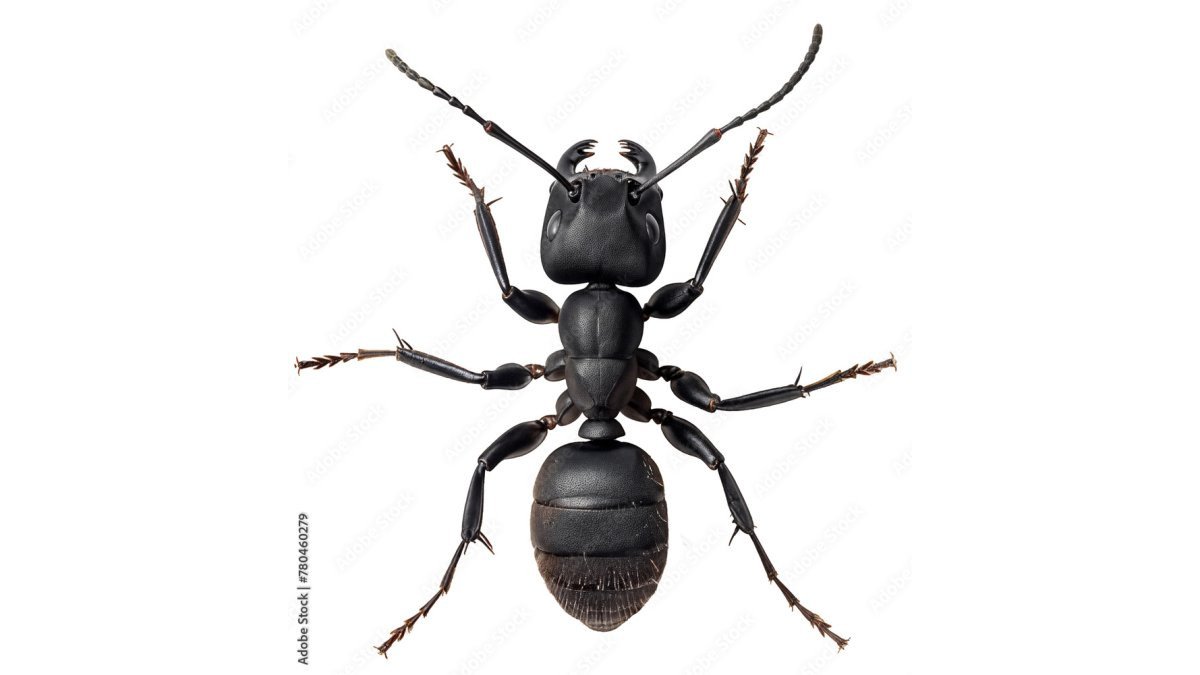
 How-to
7 Reasons Borers Attack Outdoor Timber Decking
Last Updated: October 28, 2026
Quick Summary
Borers attack outdoor timber decking because damp, weathered or untreated wood gives them food, shelter and an easy way in. Adult beetles lay eggs on exposed boards and the larvae chew tunnels through the timber from the inside. Moisture is the single biggest reason borers timber decking problems start.
- Damp wood is softer and far more likely to host borer larvae than dry timber.
- Naturally durable timbers such as cedar, redwood and cypress resist borers longer but are not immune.
- Small round exit holes with fine wood dust called frass are the clearest sign of borer damage.
- Borers leave round exit holes and coarse frass, while termites leave mud tubes.
- Treating the surface without fixing the damp underneath is the most common reason borers come back.
Table of Contents
- Why Borers Target Outdoor Timber Decking
- Signs of Wood Borer Damage on Your Deck
- How Larvae Feed Inside Timber and Weaken Your Deck
- Wood Borers vs Termites: Telling Them Apart
- Wood Borer Treatment for Timber Decks
- How to Get Rid of Wood Borers and Prevent Their Return
- Book a Deck Inspection Before Borers Spread
- Frequently Asked Questions
Why Borers Target Outdoor Timber Decking
Borers attack outdoor timber decking because damp, weathered or untreated wood gives them food, shelter and an easy way in. The adult beetle lays eggs on exposed timber boards, and the larvae that hatch chew tunnels through the wood from the inside. This guide explains why borers attack timber decking, how to spot the damage early, and what to do about it.
A deck is the perfect storm. It sits outside all year, it soaks up moisture, and most decks are never treated after the day they're built. That combination makes timber decking a magnet for wood-boring insects.
Below are conditions that may draw borers in and signs that can indicate their presence.
But first, here's what most guides get wrong: borers don't just attack old, rotten decks. They attack any deck where the timber stays damp long enough for eggs to hatch.
Moisture Content and Damp Timber
Moisture is the single biggest reason borers pick one deck over another. Damp wood is softer, easier to chew, and far more likely to host borer larvae than dry timber.
A few things push moisture content up:
- Poor drainage under and around the deck
- Boards laid too close together with no airflow
- Leaking gutters or downpipes dripping onto the deck
- Shaded decks that never dry out after rain
- Timber in direct contact with soil
Many homeowners find that the wettest corner of the deck is the first place borers appear. That's not a coincidence. Wet timber is where the eggs survive.
If you can keep timber dry, you remove the borers' biggest advantage. We'll come back to how.
Untreated and Vulnerable Wood Species
Untreated timber is the second invitation. Softwoods like pine, and any board that has lost its factory coating, are prime targets for wood-boring beetles.
Some wood species resist borers better than others. Naturally durable timbers such as cedar, redwood and cypress hold up longer because of their natural oils. But "resistant" is not "immune," especially outdoors where weather exposure wears protection down over time.
What most guides miss is this: even a treated board becomes vulnerable once it's cut, drilled or weathered. Every exposed edge is a way in.
So the deck's age isn't the real issue. The condition of the timber is.
Signs of Wood Borer Damage on Your Deck
The clearest sign of wood borer damage is small, round exit holes in the timber boards, often with fine wood dust called frass around the openings. If you see those holes, the larvae have already been feeding inside the wood.
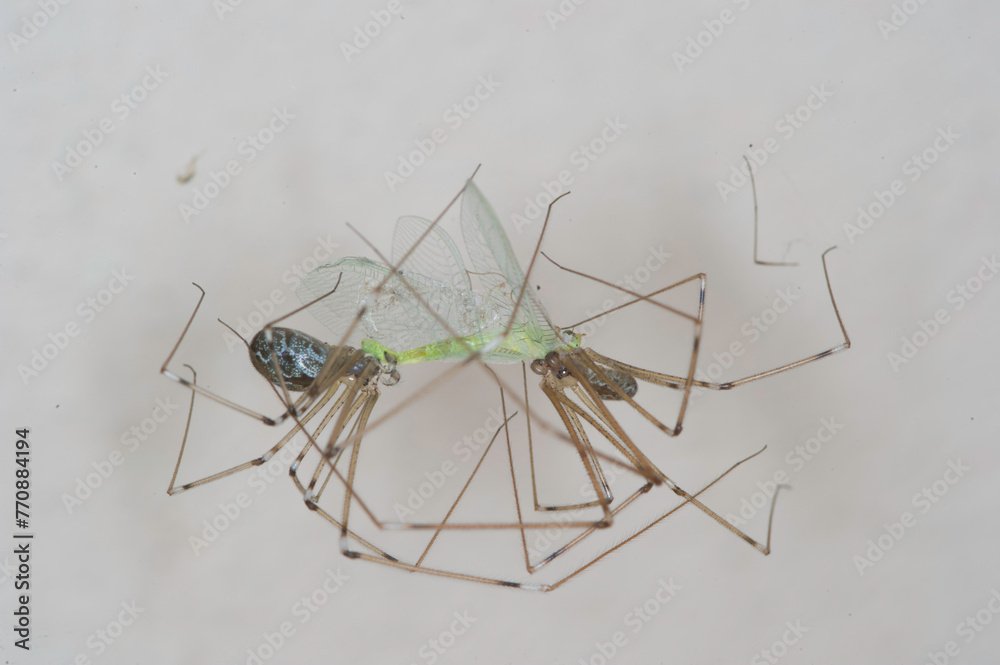
Other signs of wood borer damage to check for:
- Exit holes roughly the size of a pencil tip or match head
- Frass (fine wood dust) piled under or around holes
- Tunnels or hollow-sounding spots when you press the board
- Weakened timber that gives or crumbles at the edges
- Adult beetles emerging, often in warmer months
- Cracked or splintering boards near the surface
A common mistake is to see one small hole and assume it's nothing. You can also compare what you find against the signs of termite damage in home foundations. By the time exit holes appear, the larval feeding has been going on for a while. The damage is already inside.
How Larvae Feed Inside Timber and Weaken Your Deck
Borer larvae do the real damage. The adult beetle lays eggs on or just under the timber surface, and when the eggs hatch, the larvae burrow inward and feed on the wood.
They chew tunnels and channels through the timber as they grow. From the outside, the board looks fine. Inside, it's being hollowed out.
This is why decks fail suddenly. A board that looked solid can snap underfoot because the internal structure is gone. The larval feeding weakens timber from the inside out, and structural integrity drops before you ever see a hole.
In practice, this means the damage you can see is only part of the story. The real problem is the internal damage you can't.
Wood Borers vs Termites: Telling Them Apart
Wood borers and termites both destroy timber, but they leave different clues. Borers usually leave round exit holes and coarse frass, while termites leave mud tubes and softer, more excavated wood.
Here's the quick comparison:
| Feature | Wood Borers | Termites |
|---|---|---|
| Exit holes | Small, round, visible | Rarely visible |
| Frass | Fine wood dust near holes | Often pellets or mud |
| Tunnels | Inside the timber | Mud tubes on surfaces |
| Wood condition | Hollowed, weakened | Eaten from inside out |
| Where you notice it | Deck boards, surface | Foundations, frames, walls |
Getting this wrong matters. Termites need a very different response from borers, and treating one as the other wastes time. If you're unsure, check for termite damage in walls too, since the two problems can appear on the same property.
Wood Borer Treatment for Timber Decks
Wood borer treatment for timber decks works best when it targets both the active larvae and the conditions that let them return. There is no single spray that fixes a borer problem forever, and the most common reason treatment fails is that the moisture problem underneath was never addressed.
A sensible treatment approach looks like this:
- Confirm the pest. Identify whether it is borers, termites or carpenter ants before treating. The response is different for each, and treating the wrong pest wastes time and money.
- Assess the extent of the damage. Probe the timber around exit holes. If a board is hollowed out or crumbles at the edge, it cannot be saved and should be replaced rather than treated.
- Choose the right treatment class. Surface sprays and residual coatings protect exposed timber and can reach larvae near the surface. Injected treatments, where a product is introduced into the timber or into the galleries, reach larvae deeper inside. The right choice depends on whether the infestation is surface-level or internal.
- Treat exposed and cut edges. Every cut, drill hole and weathered edge is an entry point. These are the places a surface treatment is most easily missed.
- Fix the moisture problem. Without this, treatment is temporary. The chemical fades, the wood stays wet, and the cycle restarts.
It also helps to know when treatment is the wrong tool. If a board is structurally compromised, soft underfoot, hollow-sounding, or visibly crumbling, replacement is usually the safer and more economical option than repeated treatment. The same applies where borers have reached structural timber such as bearers, joists or posts: that is not a surface-spray job, and it needs assessment before anyone commits to a treatment plan.
For serious infestations, especially where structural timber is involved, professional assessment may be appropriate. We handle termite work as part of our termite control and inspection services.
How to Get Rid of Wood Borers and Prevent Their Return
Getting rid of wood borers means killing the active larvae and then making the timber a poor home so they don't return. Prevention is where most decks are won or lost.
Focus on these steps:
- Keep timber dry. Fix leaks, improve drainage, and clear soil away from boards.
- Improve airflow. Trim plants back and check boards aren't packed too tightly.
- Seal and treat regularly. Re-coat exposed timber before it weathers bare.
- Replace damaged boards early. Don't wait for a board to fail underfoot.
- Inspect after storms and wet seasons. Damp timber is when borers move in.
Many homeowners find that a simple annual deck inspection catches problems while they're small. That's far cheaper than replacing structural timber later.
If pests have returned after a previous treatment, the cause may need further investigation. Our guide on why pests return after professional treatment explains the pattern.
Book a Deck Inspection Before Borers Spread
Borers spread quietly. By the time exit holes are obvious, the timber has often been under attack for months. A proper deck inspection finds the problem while it's still cheap to fix.
At Challenge Pest Control, we've been providing pest management since 1987. We offer free quotes and free advice, all work is guaranteed, and we're available 24 hours a day, 7 days a week. We're fully insured and hold Public Health License 401.
If you're not sure whether you need professional help yet, our guide on the signs you need professional pest control may help you decide. When you're ready to book, you can find local pest control services fast.
Don't wait for a board to give way. Get started with Challenge Pest Control and protect your deck before borers do more damage. Call and book today on 0422 926 291.
Frequently Asked Questions
Are wood borers and termites the same thing?
No. Wood borers and termites are different pests. A professional inspection can help confirm which pest is present before treatment.
Can wet or untreated timber attract borers to my deck?
Yes. Damp timber and untreated boards may attract borers. Keep boards dry, fix leaks and poor drainage.
When should I get a timber deck inspected for pests?
Consider seeking professional advice if you notice signs such as exit holes, frass or soft spots.
How do I get rid of wood borers in a deck?
For advice about pest management, contact a professional.