 how-to
How to Identify Termite Damage in Walls: 7 Warning Signs
Table of Contents
- Start With the Signs Most Homeowners Miss
- Visual Signs of Termite Damage in Walls
- Sounds, Moisture and Electrical Clues Inside Wall Voids
- How to Check for Termites Yourself Before You Call Anyone
- DIY Checks vs Professional Termite Inspection Accuracy
- What Termite Inspection Cost Actually Covers
- Termite Treatment Options Once Damage Is Confirmed
- What to Do the Moment You Find Termite Damage in Walls
- Frequently Asked Questions
Last Updated: September 25, 2026
Start With the Signs Most Homeowners Miss
Termite damage rarely announces itself. By the time most people spot it, the colony has been feeding for months or years inside the wall cavity. Identifying termite damage in walls is about knowing where to look before it becomes obvious.
Why Termites Stay Hidden Until Damage Spreads
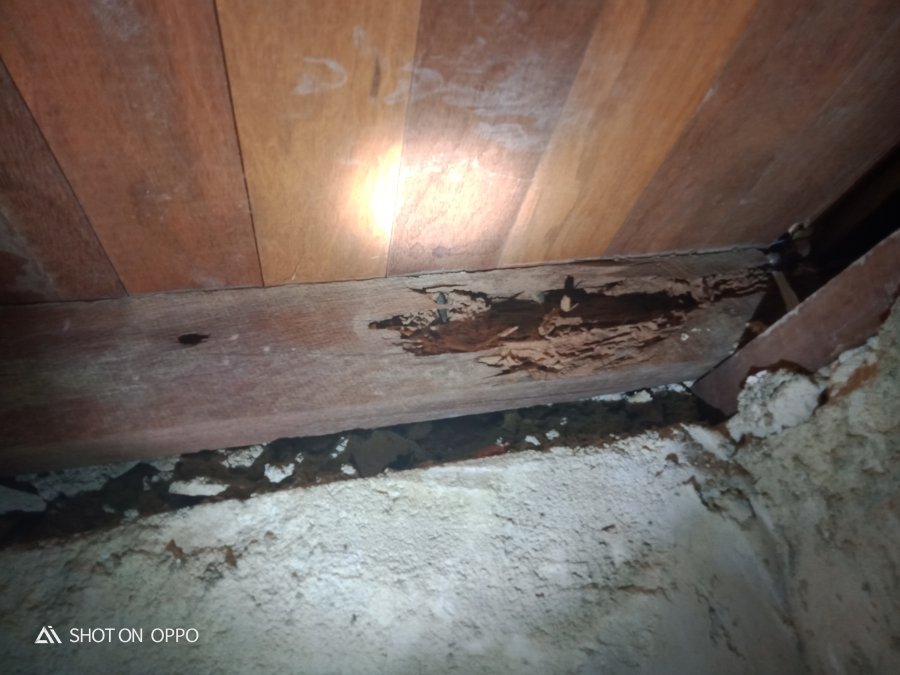
Subterranean termites live in soil and travel into a home through mud tubes, shelter tunnels built from soil, saliva and droppings. They avoid open air because it dries them out, so they tunnel inside wall voids, along baseboards and behind wood trim.
Visual Signs of Termite Damage in Walls
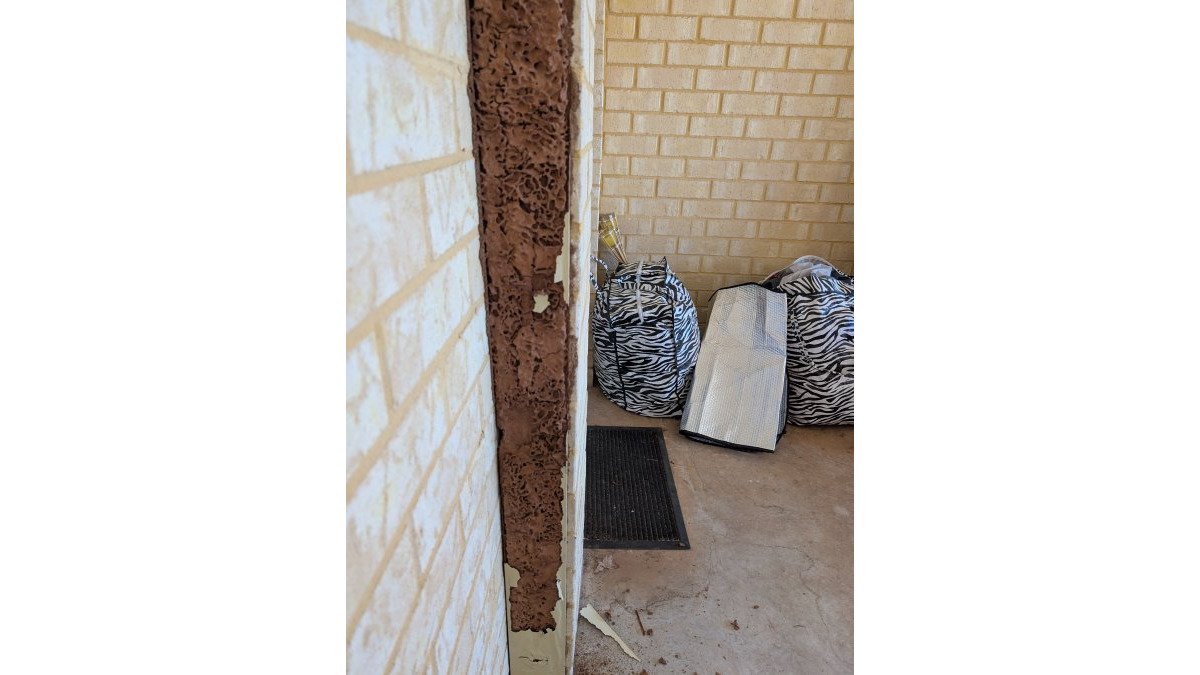
The clearest visual sign is a mud tube running up a wall, pier or foundation edge. These narrow ridges of dried soil, roughly pencil-width, are the most reliable clue that subterranean termites are active.
Mud Tubes, Tunnels and Termite Galleries
Termite galleries are the hollowed-out channels carved through timber. Break open damaged wood and you will often find a honeycomb pattern with a thin outer shell intact. Mud tubes on the outside connect soil to the timber inside.
Check these spots first:
- Foundation walls and brick piers
- Skirting boards and architraves
- Window and door frames
- Subfloor timbers and bearers
- Any timber touching soil or garden beds
Blistering Paint, Pinholes and Warped Plasterboard
Blistering paint and pinholes are classic secondary signs. Termites eat the paper backing on plasterboard, so the surface paint stays smooth while the board behind it collapses.
Sounds, Moisture and Electrical Clues Inside Wall Voids
Sound and moisture give clues when nothing is visible. Press your ear to a wall in a quiet room, or tap skirting boards with a screwdriver handle. A dull, hollow sound in timber that should be solid is a warning sign.
Clicking Sounds and Hollow-Sounding Timber
Soldier termites bang their heads against tunnel walls to signal danger, producing a faint clicking or rustling inside the wall. It is easily mistaken for plumbing or settling noise, so listen at night when the house is quiet.
How to Check for Termites Yourself Before You Call Anyone
A DIY check is not a diagnosis, it is evidence gathering. Done properly, it takes 30 to 45 minutes with a torch, flat-head screwdriver, notepad and phone camera, and produces a record a licensed technician can act on immediately.
What to Carry and Why
- Torch with a focused beam, a phone light is too diffuse to spot the damp, dark interior of a fresh mud tube.
- Flat-head screwdriver, for sounding timber and probing suspect skirting, never for levering boards off.
- Notepad or phone notes, record location, orientation (north-facing walls stay warmer and drier), and what you saw.
- Camera with a scale reference, a coin or ruler beside a mud tube lets a technician judge age and activity.
- Knee pads and a dust mask, subfloor access is dirty and low.
The Exterior Pass
- Walk the full perimeter and look for mud tubes on foundation walls, brick piers, stumps and rendered edges.
- Check where timber meets soil: fence posts, garden sleepers, retaining walls, decking bearers and pergola posts.
- Look for shelter tubes running from a garden bed into a weep hole or expansion joint.
- Check weep holes themselves, termites often use them as entry points because they are already a gap in the masonry.
- Note any timber that stays damp, such as under a leaking downpipe or beside an air-conditioning condensate drain.
The Interior Pass
- Tap skirting boards, architraves and door jambs with the screwdriver handle. A sharp, solid tap means sound timber; a dull thud or hollow ring means it is decayed or hollowed out.
- Press the screwdriver tip gently into suspect timber. Sound timber resists; termite-damaged timber gives way with almost no pressure and often feels papery and layered.
- Check window sills, cornices and top plates where walls meet the ceiling, especially in rooms with a history of leaks.
- Look behind furniture pushed flat against external walls, a common blind spot.
- Inspect the subfloor if safe to access, looking along bearers and joists for mud tubes, frass and sagging timbers.
What Each Finding Actually Means
- Fresh mud tube (damp, dark interior), active termites are almost certainly present.
- Old, dry, crumbly tube, the colony may have moved, but the entry point remains and can be re-used.
- Frass like fine sawdust or coffee grounds, drywood termite activity, which needs a different treatment approach to subterranean species.
- Shed wings near a window or door, a swarm happened nearby, usually in spring or after warm, humid weather.
- Hollow-sounding timber with intact paint, the classic subterranean pattern: eaten from the inside out.
Where DIY Checks Stop Being Useful
A visual check cannot see inside a wall cavity, measure moisture in a bearer, or tell whether a colony is active or abandoned. It also cannot reliably distinguish termite damage from fungal decay, borer damage or water damage. Treat findings as a lead, not a verdict.
DIY Checks vs Professional Termite Inspection Accuracy
DIY checks catch what is visible; a professional inspection catches what is hidden. The difference is tools, training and access, the gap most homeowners underestimate, and why a clean DIY walkthrough is not the same as a clean report.
What a Technician Uses That You Cannot
- Moisture meters, termites need moisture, so elevated readings in a bearer or wall frame point to a likely activity zone even when nothing is visible.
- Thermal imaging cameras, detect temperature differences caused by moisture, void spaces and termite galleries inside a wall without opening it.
- Borescopes, a thin camera fed through a small drilled hole lets a technician see inside a wall cavity directly.
- Sounding tools and tapping rods, used systematically along a wall to map hollow zones rather than spot-checking.
- Termite detection dogs, used by some providers to narrow activity in hard-to-access areas, though they aid rather than replace a full inspection.
Why DIY Accuracy Drops Off Sharply
A visual check has three hard limits:
- Access. You cannot safely inspect a subfloor with limited clearance, a roof void without fall protection, or a wall cavity without opening it.
- Interpretation. Termite damage, fungal decay, borer damage and old water damage look similar to an untrained eye, and misreading one for another changes the treatment entirely.
- Activity vs history. A mud tube can be fresh, old or abandoned; telling them apart usually requires probing the interior and checking moisture, where DIY checks most often go wrong.
Seasonal Behaviour Changes What You See
Subterranean termites stay active year-round in warmer conditions but retreat deeper into soil and wall structure when soil temperatures drop. A wall that looks quiet in cooler months may be busy again by spring, so a DIY check in the wrong season can produce a false all-clear.
A Simple Decision Matrix
| What you found | What it likely means | What to do |
|---|---|---|
| Fresh mud tube, damp interior | Active subterranean termites | Book a professional inspection within 24-48 hours |
| Old, dry, crumbly tube | Past activity, entry point still present | Book an inspection; do not assume it is gone |
| Hollow-sounding timber, intact paint | Likely internal termite damage | Book an inspection; do not disturb the timber |
| Frass (fine sawdust-like pellets) | Possible drywood termites | Book an inspection; species changes treatment |
| Shed wings near a window | Recent swarm nearby | Book an inspection; swarmers can start new colonies |
| Damp patches, musty smell, no visible damage | Moisture problem, possible termite attractant | Fix the moisture source and book an inspection |
| Nothing found, but the home is over 10 years old | No evidence either way | Schedule a routine professional inspection |
The First 24 Hours After You Find Damage
Do:
- Photograph everything with a scale reference and note the date.
- Note the exact location and which direction the wall faces.
- Keep the area dry and stop any active leak nearby.
- Call a licensed pest control company and book an inspection.
Do not:
- Do not disturb, scrape or remove mud tubes.
- Do not spray insecticide on the area.
- Do not paint over, patch or render the damage.
- Do not remove damaged timber before treatment, it is evidence and removing it can spread the colony.
- Do not delay because the damage looks minor. Termites work from the inside out, so visible damage usually means more hidden behind it.
What Termite Inspection Cost Actually Covers
Termite inspection cost depends on property size, access and whether a full report is needed. Pricing varies, so ask for a free quote and clear scope before booking.
A proper inspection usually includes:
- A full internal and external check of accessible areas
- Subfloor and roof void inspection where safe
- Moisture readings and timber testing
- A written report with findings and recommendations
Termite Treatment Options Once Damage Is Confirmed
Treatment depends on the species, damage extent and home construction. A technician will usually recommend one of two approaches.
What to Do the Moment You Find Termite Damage in Walls
Stop and document. Do not disturb the area, paint over it or remove damaged timber. Take clear photos, note the location and call a licensed pest control company the same day.
Frequently Asked Questions
How can I tell if I have termites in my walls?
Look for mud tubes on walls, bubbling or cracked paint, pinholes in plasterboard, and timber that sounds hollow when tapped. Swarmer wings near windows and a faint clicking sound inside wall voids are also strong clues. Subterranean termites build these tunnels to stay hidden, so any of these signs together justifies a professional inspection rather than guesswork.
Can you hear termites inside your walls?
Sometimes. Soldier termites bang their heads against timber when disturbed, producing a faint clicking or rustling sound, especially in quiet rooms at night. It is not a reliable standalone sign, since possums, plumbing and settling timber make similar noises. Treat any unexplained clicking near skirting boards or wall trim as a prompt to inspect for termite galleries and frass.
What does termite damage look like on plasterboard?
Plasterboard damage usually shows as pinholes, fine cracks, sagging sections or paint that blisters and peels away from the surface. Behind the board, termites eat the paper backing and any timber framing, leaving a hollow, papery feel. Moisture stains often appear alongside, because damaged walls trap damp. If you press gently and the surface gives way, book an inspection.
Is DIY detection enough, or do I need a professional inspection?
DIY checks help you spot visible warning signs, but they cannot confirm an active colony behind wall voids, under floors or inside roof timbers. Trained inspectors use moisture meters, thermal imaging and sounding tools to map termite activity accurately. Given how quickly structural damage spreads, a professional inspection is the safer step once you notice mud tubes, hollow timber or unexplained moisture.
Termite damage gets worse every day it goes untreated, and the signs are easy to miss until timber loses its structural integrity. If you have spotted mud tubes, hollow-sounding timber or blistering paint, do not wait for the next obvious clue. Challenge Pest Control offers guaranteed termite inspections and treatments, 24/7 availability, fully insured work, free quotes and pensioner discounts. Call 0422 926 291 and book today.