 how-to
Signs of Termite Damage in Home Foundations
Table of Contents
- What Termite Damage in Foundations Looks Like
- Termite Mud Tubes on Concrete Foundations
- Structural Changes That Signal Active Infestation
- Paint, Drywall and Surface Damage
- How to Inspect Your Foundation Yourself
- Termite Inspection Cost and Professional Treatment Options
- When to Call a Professional
- Frequently Asked Questions
Last Updated: September 19, 2026
What Termite Damage in Foundations Looks Like
Termites cause expensive structural damage by eating wood from the inside out. At Challenge Pest Control, we've inspected thousands of homes and identified key warning signs of termite damage in home foundations that homeowners often miss.
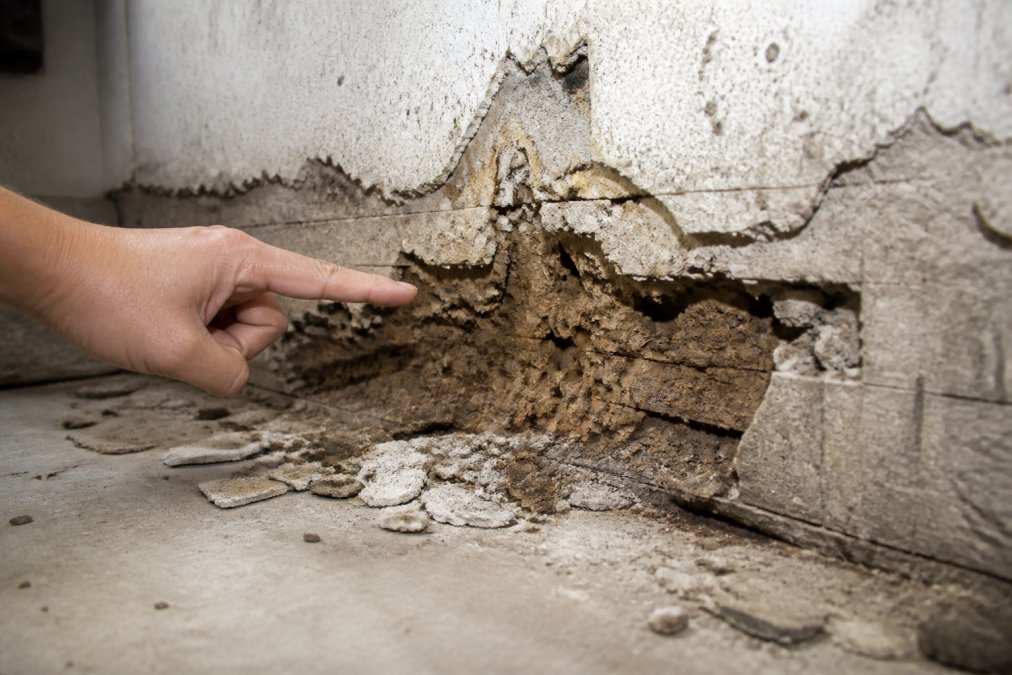
Signs of termite damage in home foundations fall into three main categories: visible tunnels, structural deterioration, and surface damage. Each tells a different story about how active the infestation is and how urgently you need help.
Mud tubes and entry points
Mud tubes are the clearest sign of subterranean termites. These insects build brown, pencil-thin tunnels from soil to wood. The tubes protect termites as they travel between their colony and your home.
Look for mud tubes on:
- Concrete foundations and piers
- Cracks in concrete slabs
- Wooden posts touching soil
- Areas where pipes enter the house
The tubes feel papery and crumble easily when you break them. Fresh tubes mean active termites. Broken tubes with no new ones suggest the infestation has moved or been treated.
Termites enter through soil-to-wood contact points, which is why homes built directly on soil without a moisture barrier are at higher risk.
Wood damage and hollow timber
Hollow-sounding timber is a sign of advanced termite damage. Tap wooden beams, door frames, and skirting boards with a screwdriver handle. If it sounds hollow instead of solid, termites have likely eaten the inside.
Damaged wood looks normal on the surface but crumbles when you press it. You might see:
- Blistering or bubbling on wooden surfaces
- Grain patterns that look distorted
- Wood that feels soft or damp
- Tiny holes in timber where termites have tunnelled
Damage spreads along the grain as termites feed, progressively weakening structural integrity.
Frass and discarded wings
Termite droppings, called frass, look like fine sawdust. You'll find piles of it near infested timber or inside hollow sections. Frass is usually dark brown or black and has a granular texture.
Termite swarmers shed their wings after mating. Discarded wings pile up near windows, doors, or light sources where swarmers emerge. Finding wings means termites are reproducing in or near your home.
Termite Mud Tubes on Concrete Foundations
Mud tubes on concrete are the most common sign homeowners spot first. These tubes bridge soil and timber, protecting termites from drying out as they travel to wood.
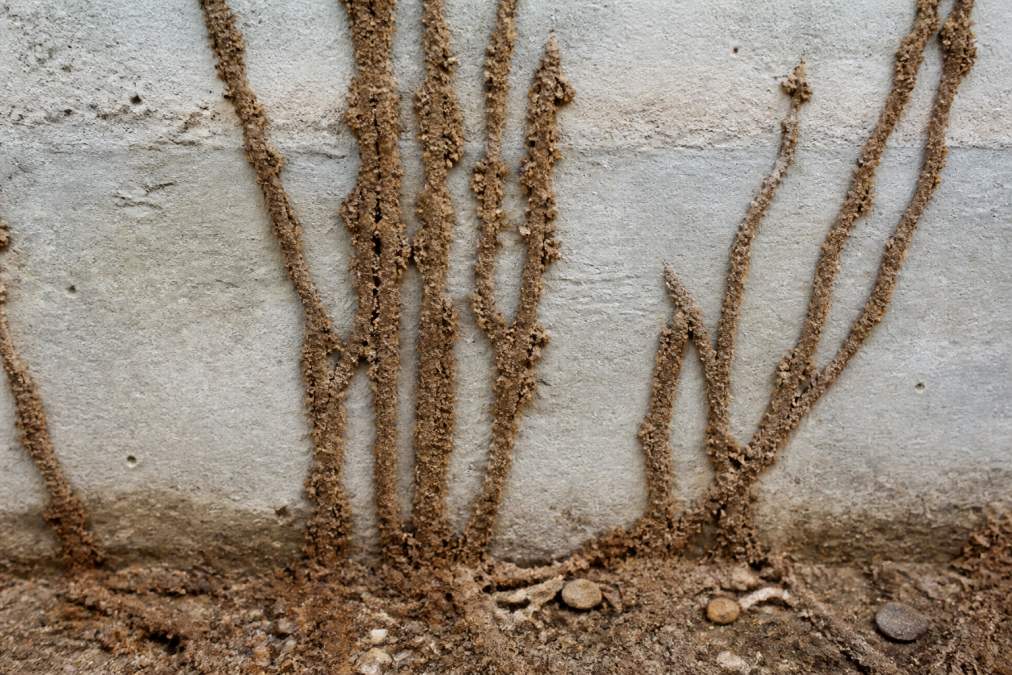
Check for tubes where timber sits on or near concrete. This includes:
- Wooden stumps or posts under decks
- Timber framing in crawl spaces
- Wooden door frames set into concrete
- Beams resting on concrete piers
Structural Changes That Signal Active Infestation
Termites weaken foundations by eating supporting timber. Early signs are subtle; late signs require expensive repairs.
Foundation cracks and settlement
New cracks in foundations can indicate termite damage underneath. As termites hollow out wooden beams, the weight of the house shifts. This causes concrete to crack in new places or existing cracks to widen.
Look for:
- Diagonal cracks spreading from corners
- Cracks that follow the timber frame above
- Cracks that appear suddenly or grow quickly
- Gaps between the house and foundation
Uneven floors and sagging walls
Uneven, sloping, or bouncing floors indicate weakened floor joists from termite damage. Bowing walls and interior cracks are late-stage signs requiring urgent professional assessment. Early intervention prevents expensive structural repairs.
Paint, Drywall and Surface Damage
Bubbling or peeling paint, soft drywall spots, and wrinkled wallpaper indicate termites working behind surfaces. These signs mean termites have been feeding for months and professional treatment is urgent.
Call And Book Today 0422926291 →
How to Inspect Your Foundation Yourself
A basic DIY inspection takes 30 minutes with just a screwdriver and torch. The approach differs by foundation type because termites enter and travel differently through slab-on-ground versus pier-and-beam foundations.
Inspection checklist for slab-on-ground foundations
Slab foundations sit directly on soil, making the perimeter vulnerable. Termites tunnel through soil beneath and emerge where timber meets concrete.
Focus your inspection on:
- The concrete perimeter where walls meet the slab. Look for mud tubes running up the outside edge or along the interior wall base. Termites often enter where the concrete has cracked or where the moisture barrier has failed.
- Cracks in the slab itself. Termites use cracks as highways to travel underneath. If you see cracks radiating from corners or running along the line of internal walls, inspect the timber above for damage.
- Timber door frames and window frames set into the slab. These are common entry points. Tap the timber around frames with your screwdriver. If it sounds hollow or the tip sinks easily, termites have reached the frame.
- Internal walls where they meet the slab. Press your screwdriver gently into the base of timber studs. Soft spots indicate termites are feeding inside the wall cavity.
- Bathrooms and laundries. These wet areas create moisture that attracts termites. Check for mud tubes, soft timber, or frass near plumbing penetrations.
Inspection checklist for pier-and-beam foundations
Pier-and-beam foundations create a crawl space that makes termites visible but gives them easy access to structural timber.
Focus your inspection on:
- Wooden piers and posts. These are the first line of defence. Tap every post with your screwdriver, listening for a hollow sound. If the timber feels soft or crumbles when you press the screwdriver tip into it, termites have compromised the post's load-bearing capacity.
- Mud tubes on concrete piers. Termites build tubes up the sides of concrete supports to reach the timber frame above. Look for brown, papery tubes running vertically. Fresh tubes are moist and crumbly; old tubes are dry and brittle.
- The underside of floor joists. Crawl under the house and inspect the timber beams that support your floors. Look for galleries (termite tunnels), soft spots, or frass. Tap joists with your screwdriver, hollow sounds mean structural weakening.
- Wooden bracing and cross-bracing between piers. These diagonal or horizontal timbers are often the first to show damage because they're closer to soil and moisture.
- Where pipes and cables enter the crawl space. Termites use these penetrations as entry points. Look for tubes running along pipes or into the timber frame.
- Soil-to-timber contact points. If wooden posts sit directly on soil without a concrete pier or moisture barrier, termites will attack. Check for mud tubes and soft timber at these junctions.
Seasonal timing for DIY checks
Spring is the best time for DIY inspections when termites swarm (typically September to November in warmer regions). Inspect after heavy rain when mud tubes are easier to spot. Check again in autumn to catch missed infestations and monitor treatment success.
What to do if you find signs of infestation
If your DIY inspection reveals mud tubes, hollow timber, frass, or discarded wings, do not attempt to treat the infestation yourself. Disturbing an active colony can cause termites to scatter and establish new feeding sites in other parts of your home. Instead, contact a licensed pest control professional immediately for a full assessment and treatment plan.
Termite Inspection Cost and Professional Treatment Options
Understanding the cost difference: pest treatment vs. structural repair
Pest treatment and structural repair are separate expenses. Understanding the difference is critical to budgeting.
What a professional inspection includes
Professional inspections check all accessible timber, foundation perimeter, attached structures, moisture areas, and structural integrity using visual assessment and specialised equipment like thermal imaging. A detailed report rates severity and recommends treatment and repairs.
Termite treatment options for foundations
Chemical barriers create a protective zone around your foundation, stopping termites from entering or leaving. Applied to soil and timber, they last for several years.
Structural repair: when and why it's needed
Minor repairs address damage that doesn't affect load-bearing capacity. These include replacing small sections of timber trim, repairing drywall, or treating surface wood. Cost: $300-$1,500.
When to Call a Professional
Call a professional immediately if you find:
- Active mud tubes on your foundation
- Hollow-sounding timber in structural areas
- New cracks in your foundation or walls
- Floors that slope or bounce
- Swarmers inside your home
Don't wait for damage to spread. Early treatment is cheaper and faster than repairing structural damage.
Frequently Asked Questions
What are the early warning signs of termite damage in a house foundation?
Early signs include mud tubes running from soil to wood or concrete, hollow-sounding timber when tapped, and small holes in wood beams. You may also notice bubbling or peeling paint on walls, discarded termite wings near windows or doors, and a musty odour in affected areas. Foundation cracks that appear suddenly, uneven floors, or tight-fitting doors and windows can also indicate termite activity. Subterranean termites, the most common type, create these signs as they tunnel through wood to access cellulose. Acting quickly when you spot these signs prevents structural damage from worsening.
Can termites damage concrete foundations?
Termites cannot eat concrete itself, but they can cause significant damage to the wooden components attached to or embedded in concrete foundations. Subterranean termites build mud tubes across concrete to reach wooden structural beams, joists, and framing. They hollow out the wood from inside, compromising structural integrity whilst the concrete remains intact. If wood-to-concrete contact exists, termites will exploit it as an entry point. Over time, weakened wooden beams can cause concrete foundations to crack or shift. Regular professional inspections help identify termite galleries and entry points before wooden elements fail.
How much does a termite inspection typically cost?
Termite inspection cost varies depending on property size, foundation type, and accessibility. A professional inspection includes visual assessment, moisture level testing, and identification of entry points and active colonies. Contact Challenge Pest Control for a free quote tailored to your property. We offer pensioner discounts and guarantee our work. Getting a professional inspection is far more affordable than repairing structural damage caused by an untreated infestation, making it a worthwhile investment for homeowners.
What termite treatment options work best for home foundations?
Treatment options depend on infestation severity and foundation type. Chemical barriers applied to soil around the foundation create a protective zone that prevents subterranean termites from accessing wood. Bait systems target the termite colony directly, reducing worker termites and eventually eliminating the colony. For active infestations in wooden beams, localised timber treatment may be needed alongside foundation barriers. A professional pest control provider will assess your specific situation, identify all entry points, and recommend the most effective approach. Preventative treatments applied during construction or renovation reduce future infestation risk significantly.