 how-to
Why Pests Return After Professional Treatment | 2026 Guide
Table of Contents
- Why Pests Return After Professional Treatment: The Common Causes
- Seeing Bugs After Pest Control Treatment: What's Normal and What's Not
- How Long to See Pests After Treatment: Setting Realistic Expectations
- Pest Treatment Preparation and Aftercare: Steps That Make a Difference
- Pest Control Follow-Up Treatment: Why It's Often Necessary
- When to Call a Professional Again: Signs It's Time for Help
- Conclusion: Taking Control of Pest Recurrence
- Frequently Asked Questions
Last Updated: October 6, 2026
Why Pests Return After Professional Treatment: The Common Causes
Pests return after professional treatment because the original source was never fully removed, new pests moved in from outside, or the product used was wrong for the species. At Challenge Pest Control, we have handled pest management solutions since 1987, and most failures trace back to one of these three causes.
Here is the hard truth most homeowners learn the hard way: killing the pests you can see is the easy part. The colony, the nest, or the entry point is the real target.
A common mistake is judging a treatment by what is visible the next morning. Homeowners sometimes cancel a follow-up visit because the kitchen looked clean, only to find the same ants back in force weeks later.
So why do pests return after professional treatment? Three reasons, and only one of them is the technician's fault.
Incomplete Nest Elimination
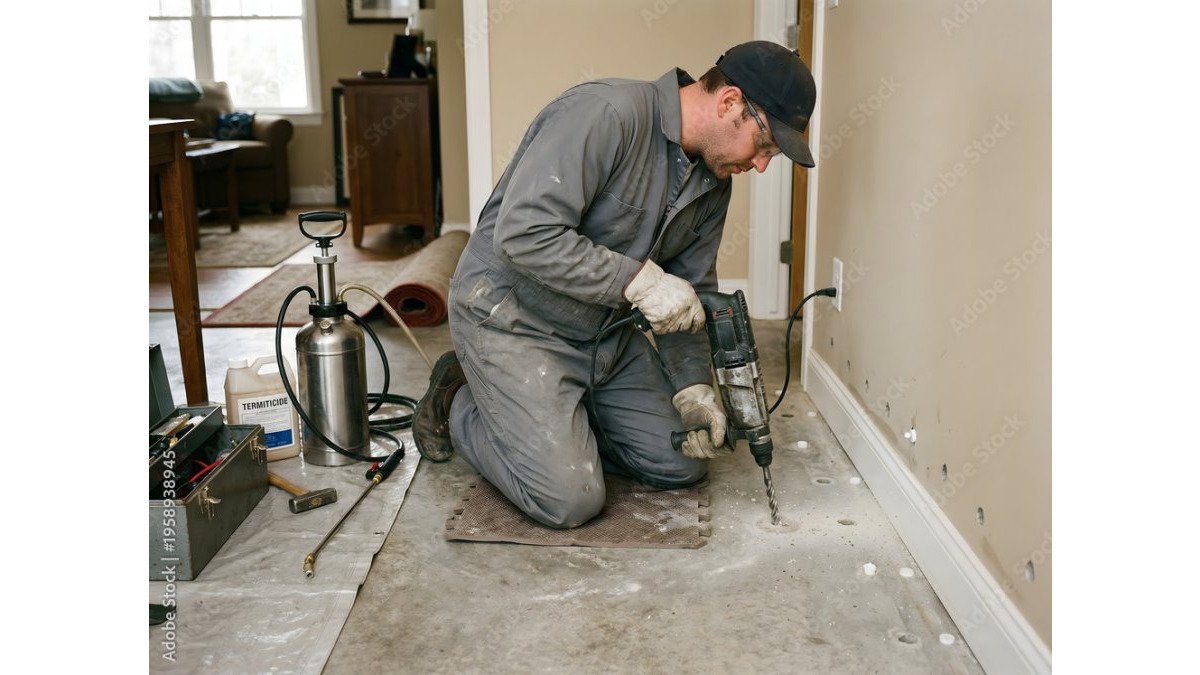
Nests often sit behind wall cavities, under concrete slabs, or inside roof voids. Spraying the surface kills the workers you see, but the queen and the brood stay safe. Those survivors rebuild within weeks.
Reinfestation from Outside
Your home sits in a neighbourhood, not a bubble. If a neighbouring property has an active nest, foraging pests will cross back into your yard. This is why boundary treatments matter as much as internal ones.
Incorrect Product or Application Method
Different pests need different products and different placements. A general spray for cockroaches will not touch a termite colony. Gels, dusts, and baits each suit specific species and situations.
Seeing Bugs After Pest Control Treatment: What's Normal and What's Not
Seeing bugs after pest control treatment is normal in the first week or two. Disturbing a nest pushes survivors out into the open, so a short spike in activity often means the treatment is working.
What is not normal: a steady stream of live pests two weeks later, or activity that never drops at all.
Here is how to tell the difference:
- Normal: dead insects near skirting boards and window sills
- Normal: more activity for 3 to 5 days, then a clear drop
- Not normal: live, healthy pests moving normally after two weeks
- Not normal: new species appearing that were not there before
If you are unsure, take photos and note the dates. That record helps your technician work out what is happening.
How Long to See Pests After Treatment: Setting Realistic Expectations
How long you see pests after treatment depends on the species. Ants and cockroaches usually settle within one to two weeks. Rodents can take longer because they avoid new objects for several days. Termites need the longest window of all.
| Pest | Typical Activity Window | What You Should See |
|---|---|---|
| Ants | 3-7 days | More activity, then a sharp drop |
| Cockroaches | 1-2 weeks | Dead roaches, fewer live sightings |
| Rodents | 1-2 weeks | Reduced droppings and no new tracks |
| Spiders | 1-2 weeks | Fewer webs and live spiders |
| Termites | 4-8 weeks | Slower, monitored decline |
A word of caution: these are general guides, not promises. Weather, building age, and surrounding vegetation all shift the timeline.
Pest Treatment Preparation and Aftercare: Steps That Make a Difference
Pest treatment preparation and aftercare decide how well a treatment holds. Good prep gives the product a clear path to the pest. Good aftercare stops pests from walking straight back in.
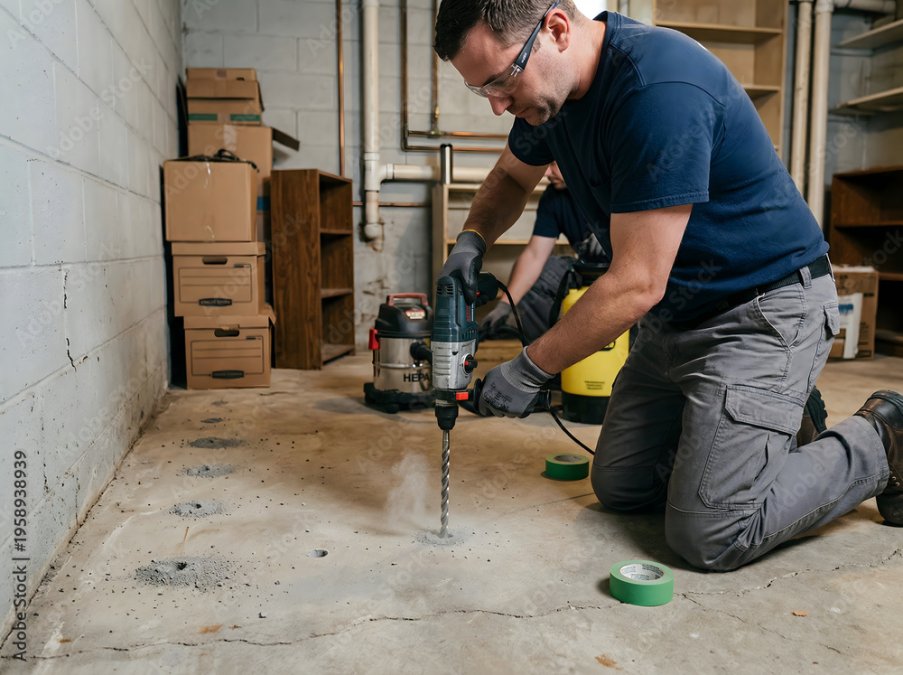
Before Treatment: How to Prepare Your Home
- Clear benchtops, floors, and cupboards in treatment areas
- Store food in sealed containers
- Cover or remove pet bowls and children's toys
- Fix leaking taps and clear standing water
- Trim plants away from external walls
- Note where you have seen pests and tell your technician
After Treatment: Aftercare Tips for Better Results
- Wait for surfaces to dry before wiping them down
- Do not wash treated skirting boards for at least a week
- Keep rubbish bins closed and emptied often
- Seal cracks around doors, windows, and pipes
- Fix moisture problems, which attract most pests
- Recheck bait stations every few weeks
If you have children or pets, ask your technician about the products used and any re-entry times. The APVMA guidance on registered pesticides explains how products are assessed and approved for use in and around homes.
Pest Control Follow-Up Treatment: Why It's Often Necessary
Pest control follow-up treatment is often necessary because one visit cannot cover every life stage. Eggs, pupae, and dormant colonies survive an initial application and emerge later.
Think of it as a process, not a single event.
- The first visit knocks down the active population
- The follow-up catches newly hatched pests
- Ongoing monitoring tracks activity between visits
For termites, follow-up matters even more. Termite management follows a set of standards, and the AS 3660 termite management standard sets out how systems are installed and maintained.
When to Call a Professional Again: Signs It's Time for Help
Call a professional again when activity continues past the expected window, when you find new damage, or when you spot pests in a room that was never treated.
Watch for these signs:
- Live pests two weeks after treatment with no decline
- Fresh droppings, gnaw marks, or rub marks
- Hollow-sounding timber or bubbling paint
- A nest you can see but cannot reach safely
- Pests in a different part of the building
Do not wait for a small problem to become a structural one. Early action costs less than repair.
Conclusion: Taking Control of Pest Recurrence
Pests return for predictable reasons, and most of them are fixable. The right product, the right placement, and a follow-up visit solve the majority of cases.
If you are tired of the same pests coming back, Challenge Pest Control can help. We have served homes and businesses since 1987, we are fully insured, and all work is guaranteed. We offer free quotes, free advice, and pensioner discounts, and our team is available 24 hours a day, seven days a week.
Call and book today on 0422926291 and get a treatment plan built to stop the cycle.
Frequently Asked Questions
Why do pests come back after professional treatment?
Pests return for several reasons: the treatment may not have reached hidden nests, new pests can enter from outside, or the original source (like a food supply or entry point) wasn't removed. Some species also have resilient eggs that survive initial treatments. A follow-up visit is often needed to break the breeding cycle. If pests return, contact your pest control provider to assess whether a follow-up or additional treatment is required.
Is it normal to see pests after pest control?
Seeing a few pests immediately after treatment is common, especially ants or cockroaches that were disturbed. They may be dying or fleeing treated areas. However, if you see large numbers or new activity weeks later, it could indicate the treatment didn't fully eliminate the infestation. Monitor the situation and report any ongoing activity to your pest control company for advice.
How long can you still see pests after treatment?
It depends on the pest and treatment type. For general pests like ants or spiders, activity usually drops within a few days to a week. Cockroaches may take up to two weeks as they spread through hidden areas. Termites require longer monitoring, often several weeks, because colonies are deep within structures. If pests persist beyond these timeframes, a follow-up treatment may be necessary.
What should I do if pests return after pest control?
First, note where and when you see pests. Check for obvious attractants like exposed food, moisture, or entry points. Then contact your pest control provider. Many companies offer guarantees and will return to re-treat if pests come back within a certain period. Prepare your home by cleaning and sealing potential entry points. A follow-up treatment, combined with good sanitation, usually resolves the issue.