 How-to
Pest Control Near Me: Find Local Services Fast
Table of Contents
- What to Expect From Local Pest Control Near Me
- How to Choose a Licensed Pest Control Operator
- Residential Pest Control: Common Pests and Treatment
- Commercial Pest Control for Your Business Premises
- Understanding Pest Control Cost and Getting a Free Quote
- How Long Does Pest Control Treatment Duration Take?
- Integrated Pest Management for Long-Term Protection
- Same-Day and Emergency Pest Control Services
- Frequently Asked Questions
Last Updated: October 19, 2026
What to Expect From Local Pest Control Near Me
When you need pest control near me, the first step is usually a thorough inspection with a local provider.
The inspection process matters because different pests require different solutions. Rodents, for example, need a different strategy than termites or cockroaches. A professional will check entry points, look for signs of activity, and evaluate your property's unique conditions.
Most local pest control operators can offer same-day or next-day service for urgent situations.
How to Choose a Licensed Pest Control Operator
Choosing a pest controller is a verification exercise, not a popularity contest. The operator you hire will apply chemicals or set baits in your home, so you need to confirm three things before anyone arrives: that they are licensed for the work, that they carry insurance, and that their guarantee is written down.
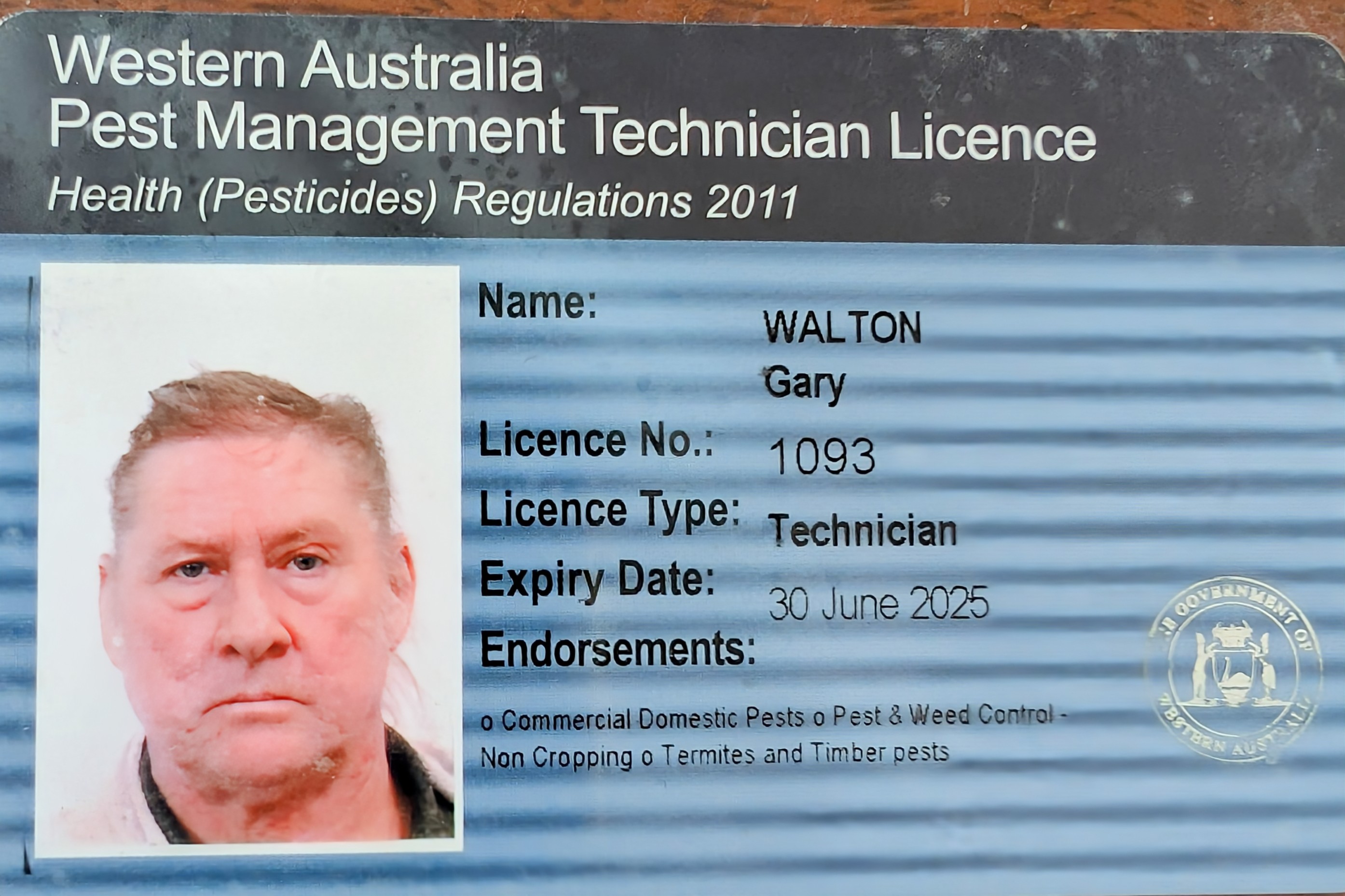
Verify the licence, not just the logo
Pest control work in Australia is regulated at state and territory level, and the licensing authority differs by jurisdiction. Other states and territories have their own registers and their own classes of licence, including separate categories for timber pest inspections and termite management.
Ask for the licence number and the class of licence, then check it against the relevant state register yourself rather than relying on a certificate shown on a phone. A licence number that cannot be matched to a current registration is a red flag.
Confirm insurance and what it actually covers
Public liability insurance is the minimum you should expect. Ask for a certificate of currency, which shows the policy is active on the date of treatment, and check the policy limit. A certificate that expired months ago, or a policy limit that looks unusually low for the size of the job, is worth questioning. Insurance matters most when something goes wrong: a spilled concentrate, damage to a surface, or a treatment that affects a neighbour's property.
Read the guarantee before you book
Guarantees vary widely and the wording matters more than the headline. A typical warranty might run for a set period after treatment, but it often depends on conditions: the treated area must not be disturbed, follow-up visits must be allowed, and the guarantee may exclude new infestations or species not covered by the original treatment. Ask for the guarantee in writing and check what triggers a free retreatment, how long the cover lasts, and whether it transfers if you sell the property.
Check reviews and complaint history
Reviews on Google and industry directories are useful, but read for patterns rather than single ratings. Look for comments about punctuality, whether the technician explained the treatment, and whether the operator returned when pests came back. Also check whether the business is a member of a relevant industry association, which typically requires adherence to a code of practice and ongoing training.
Residential Pest Control: Common Pests and Treatment
Residential properties attract different pests depending on location, season, and property condition. Understanding what you're dealing with helps you choose appropriate pest control treatment and prevention measures.
Rodents, cockroaches and ants
Rodents pose serious health risks and can cause structural damage. Rats and mice contaminate surfaces with droppings, which carry diseases. They also gnaw through wiring and insulation, creating fire hazards. A pest control operator will identify entry points, set traps or use baits, and seal gaps to prevent re-entry.
Cockroaches thrive in warm, moist environments and reproduce rapidly. They trigger allergies and asthma in many people. Treatment involves targeted insecticide application to areas where cockroaches hide, combined with eliminating food sources and moisture.
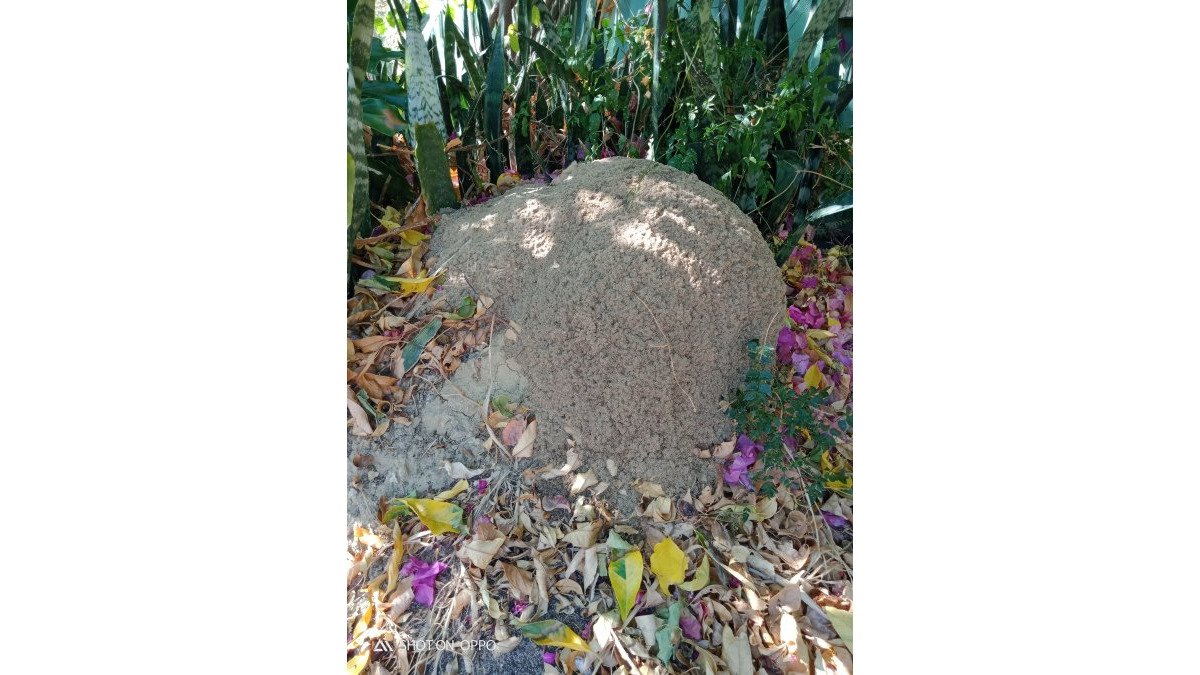
Ants are common in residential areas, particularly during warmer months. While most ant species cause minor nuisance, some bite or sting. Effective ant control requires identifying the species and locating the nest.
Termites and bed bugs
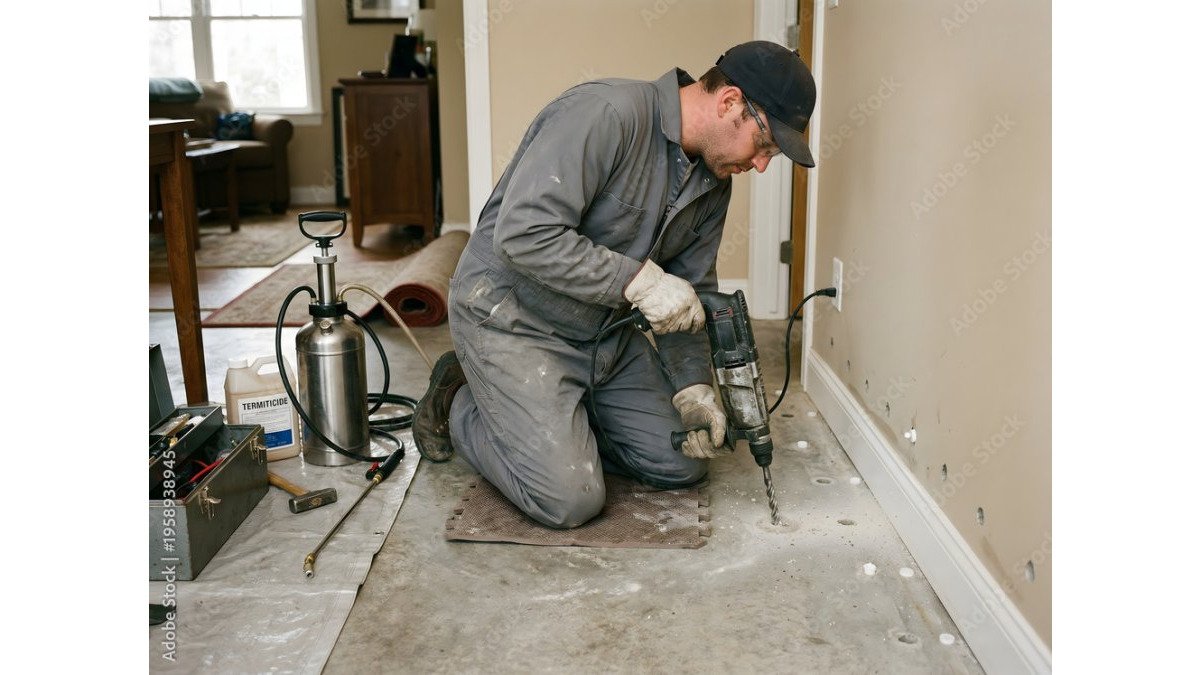
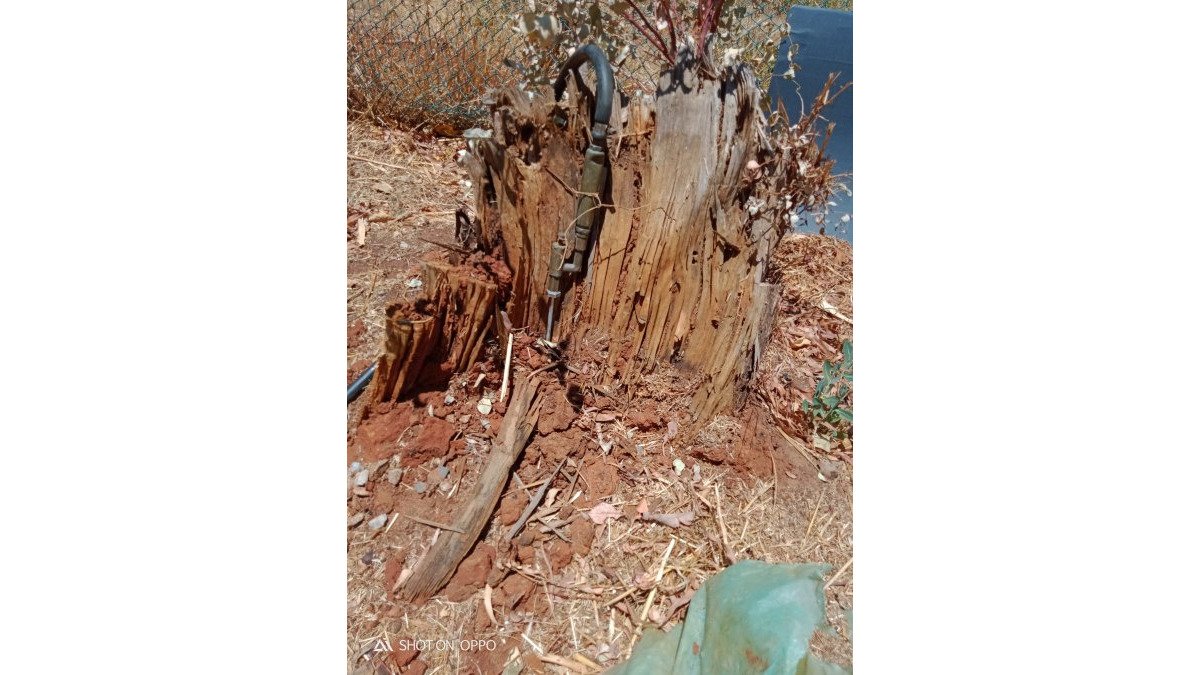
Termites cause structural damage that can cost thousands to repair if left untreated. Subterranean termites are most common and build mud tubes from soil to wood. A pest control inspection will identify termite activity through visual signs and sometimes thermal imaging. Treatment typically involves soil barriers, baiting systems, or timber treatments depending on the infestation type.
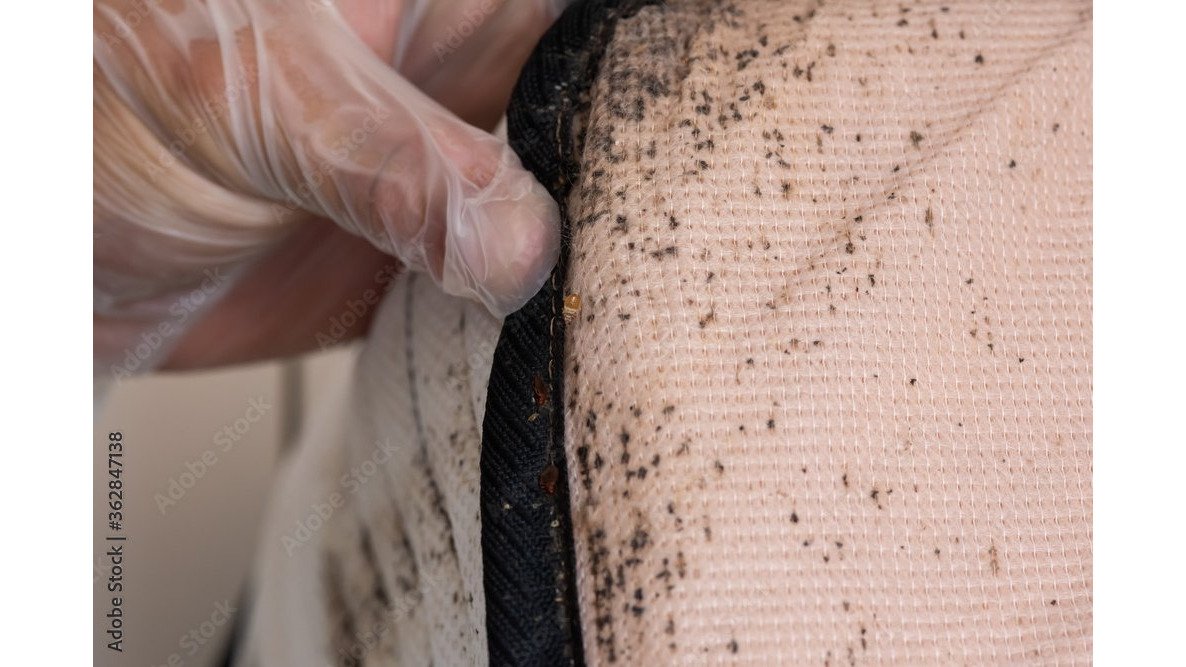
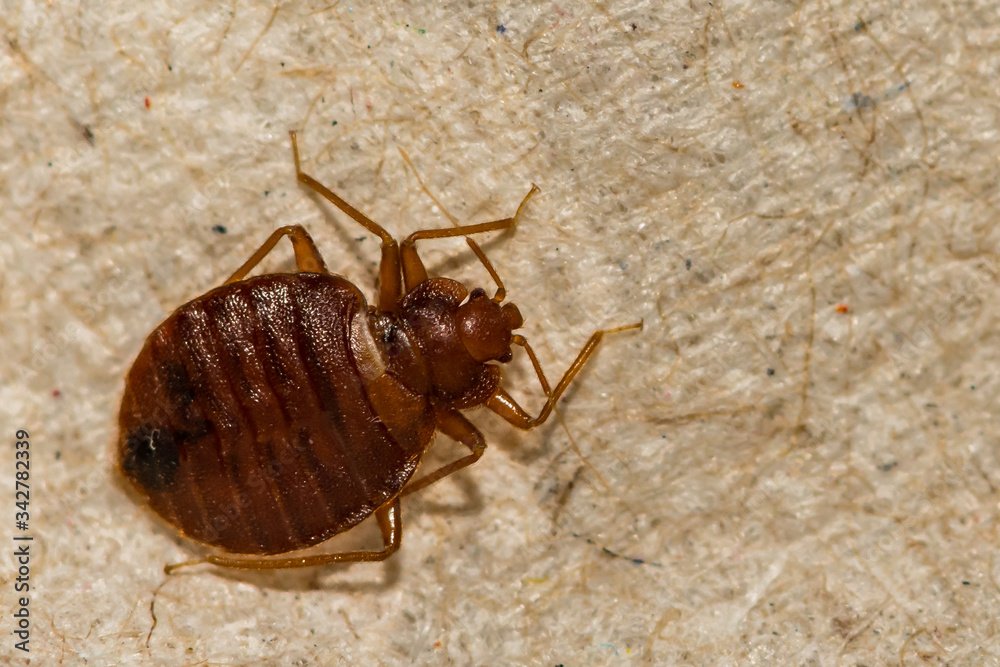
Bed bugs are small, nocturnal insects that feed on blood. They hide in mattresses, furniture, and walls. Infestations spread quickly and are difficult to eliminate without professional help. Pest control treatment for bed bugs usually involves targeted insecticide application and sometimes heat treatment of affected areas.
Commercial Pest Control for Your Business Premises
Commercial properties face different pest challenges than residential homes. Restaurants, food storage facilities, and retail businesses are at higher risk of pest problems due to food availability and customer traffic.
A commercial pest control operator will assess your premises, identify vulnerabilities, and design a customised treatment plan. This might include regular inspections, preventive treatments, and monitoring systems. Many commercial operators offer flexible scheduling outside business hours to minimise disruption.
Challenge Pest Control serves commercial clients across various industries, providing comprehensive solutions tailored to business-specific pest challenges. Our 24/7 availability means urgent pest control issues can be addressed immediately, protecting your reputation and compliance status.
Understanding Pest Control Cost and Getting a Free Quote
Pest control pricing is not a single number, and a quote you cannot compare is not much use. The cost of a job usually reflects the pest species, the size and layout of the property, the severity of the infestation, the treatment method, and whether follow-up visits are included. A general household spray for cockroaches in a small unit is a different job from a termite management program across a large property, and the quotes should reflect that difference.
What drives the price
Most operators price on a combination of time, materials and risk. Access matters: a subfloor or roof void that is difficult to reach takes longer than a surface treatment. Infestation severity matters: a light ant trail is quicker to treat than a widespread German cockroach problem in a commercial kitchen. Treatment method matters: baiting, spraying, trapping and heat treatment carry different material costs and different labour times. And follow-up matters: a quote that includes a scheduled re-visit is not directly comparable to one that charges for callbacks.
What a quote should include
A useful quote is itemised enough that you can see what you are paying for. Ask for the pest or pests covered, the treatment method proposed, the areas to be treated, the number of visits included, the guarantee period, and whether the quote includes GST. Confirm whether the inspection fee is separate or credited against the treatment, and whether call-out fees apply outside standard hours. If a quote is a single figure with no breakdown, ask for the assumptions behind it.
How to compare quotes fairly
Compare like with like. Two quotes for the same pest may differ because one includes a follow-up visit and the other does not, or because one treats the boundary and the other treats only the dwelling. Line up the inclusions side by side rather than comparing the bottom line alone. A lower quote that excludes follow-up or guarantee cover can end up costing more if pests return.
Ask about discounts and payment terms
Some operators offer pensioner or seniors discounts, multi-treatment packages, or reduced rates for scheduled maintenance plans. Ask directly, because these are rarely advertised. Also confirm payment terms, whether a deposit is required, and what happens if you need to reschedule.
Get it in writing
A free quote should still be documented. Ask for the quote by email so you have a record of what was promised, including the guarantee terms and any exclusions. That record is what you rely on if there is a dispute later. Getting two or three written quotes is a reasonable minimum for anything beyond a minor treatment, and it gives you a clear basis for choosing rather than guessing.
How Long Does Pest Control Treatment Duration Take?
Treatment duration varies depending on the pest type and your property size. A typical residential pest control treatment takes 30 minutes to 2 hours. The technician will apply treatments to affected areas, set traps or baits, and seal entry points where possible.
Termite treatments may take longer, sometimes several hours, because they require thorough inspection and application to soil barriers or timber. Bed bug treatments often require multiple visits over several weeks, as eggs may survive initial treatment.
After treatment, you'll receive instructions on how long to wait before re-entering treated areas and whether you need to remove pets or children temporarily.
| Pest Type | Typical Treatment Duration | Follow-up Required |
|---|---|---|
| Cockroaches/Ants | 1-2 hours | 1-2 weeks |
| Rodents | 1-2 hours | 2-4 weeks |
| Termites | 2-4 hours | Multiple visits |
| Bed Bugs | 2-3 hours | 2-3 follow-ups |
Integrated Pest Management for Long-Term Protection
Integrated pest management (IPM) is a long-term approach that combines prevention, monitoring, and targeted treatment. Rather than relying solely on chemical treatments, IPM uses multiple strategies: removing food sources, sealing entry points, reducing moisture, and applying treatments only when necessary.
This approach works because it addresses the conditions that attract pests in the first place. By eliminating what pests need to survive, food, water, and shelter, you reduce the likelihood of future infestations.
An ongoing protection plan with regular pest control inspections helps catch problems early before they become serious. Many operators offer monthly or quarterly visits to monitor for pest activity and apply preventive treatments.
Same-Day and Emergency Pest Control Services
Sometimes pest problems can't wait for a scheduled appointment. If you discover an active infestation late at night or on a weekend, emergency pest control services are available.
Same-day pest control service is particularly important for commercial businesses where pest activity can disrupt operations or violate health codes.
When calling for emergency service, be prepared to describe the pest problem clearly and provide your address.
Finding reliable pest control near you starts with asking the right questions: Is the operator licensed? Do they offer a guarantee? What do customer reviews say?
Challenge Pest Control has served the community since 1987, providing guaranteed pest management solutions backed by full insurance and 24/7 availability.
Frequently Asked Questions
How much does pest control cost?
Pest control cost depends on the type of pest, size of your property, severity of infestation, and treatment method chosen. A licensed pest control operator will provide a free quote after inspection. Factors affecting cost include whether treatment is one-off or part of an ongoing protection plan, and whether your property qualifies for pensioner discounts or bulk commercial rates. Always request a no-obligation quote from multiple local providers to compare pricing.
How do I know if a pest control operator is properly licensed?
A licensed pest control operator in Australia should hold current registration with relevant state regulatory bodies and carry public liability insurance. Ask to see their credentials and Public Health License before booking. Reputable operators are transparent about their qualifications and guarantees.
How long does pest control treatment take to work?
Pest control treatment duration varies by pest type and method used. Some treatments show results within 24-48 hours, whilst others may take 1-2 weeks for full effectiveness. Your pest control operator should explain the expected timeline during the inspection. Integrated pest management approaches often combine immediate treatment with ongoing prevention, requiring multiple visits over several weeks. Ask about follow-up inspections and when you can expect to see a significant reduction in pest activity.
What's the difference between one-off treatment and an ongoing protection plan?
One-off treatment addresses an immediate infestation but doesn't prevent future problems. An ongoing protection plan includes regular inspections and preventive treatments to stop pests returning. Many property managers and businesses choose ongoing plans because they're more cost-effective long-term and provide peace of mind. A local pest control operator can recommend the right approach based on your property type, pest history, and budget. Ongoing plans typically include priority access to same-day or emergency services.