 How-to
What Do Pest Treatment Services Actually Include?
Last Updated: November 12, 2026
Quick Summary
Pest treatment services are professional programs that identify an infestation, apply a targeted treatment, and set up monitoring so the problem does not return. Every standard visit has two stages: inspection and pest identification first, then the treatment method that suits the species and property.
- Four methods do most of the work: baiting, spraying, trapping and proofing.
- Rats are cautious and avoid new objects, so bait stations need a settling period before uptake.
- Bed bug treatment often needs a follow-up because eggs survive the first application.
- Termite inspection and treatment is generally handled as a separate service from general pest control.
- Occupants should stay off treated surfaces until they are dry, usually a few hours.
Table of Contents
- What Pest Treatment Services Cover in a Standard Visit
- Pests a Professional Service Should Handle
- Termite Inspection and Treatment: The Separate Job
- Pest Treatment Preparation: What to Do Before the Technician Arrives
- Pest Control Treatment Duration: How Long Each Stage Takes
- Safety for Children, Pets and Sensitive Occupants
- Your Pest Control Service Checklist Before Booking
- Book a Free Quote and Inspection with Challenge Pest Control
- Frequently Asked Questions
What Pest Treatment Services Cover in a Standard Visit
Pest treatment services are professional programs that identify an infestation, apply a targeted treatment, and set up monitoring so the problem does not return. At Challenge Pest Control, every standard visit has two stages: inspection and pest identification first, then the treatment method that suits the species and property.
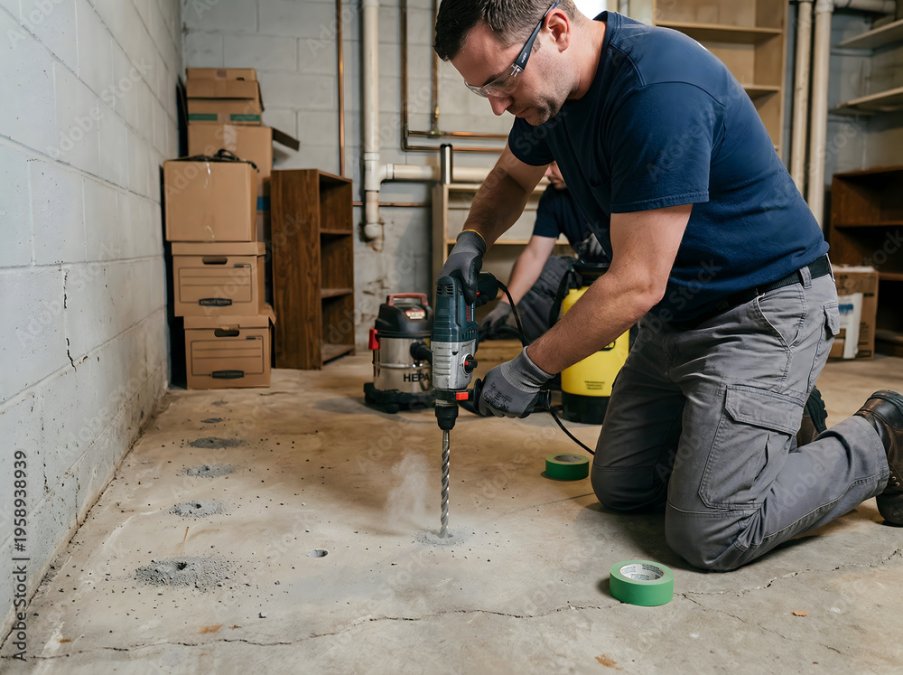
Most homeowners assume a technician arrives, sprays, and leaves. That is not how a proper visit works, the inspection decides whether the treatment succeeds.
Inspection and pest identification first
Every effective visit starts with a property inspection. The technician checks entry points, harbourage areas, moisture problems, and evidence such as droppings, gnaw marks, shed skins, or live activity.
Correct pest identification matters more than most people realise. A treatment aimed at the wrong species wastes time and money while the infestation continues. Rats and mice need different bait stations; cockroaches need gel bait in cracks, not a broad spray across the kitchen bench.
Treatment methods: baiting, spraying, trapping and proofing
Four methods do most of the work in a general pest treatment:
- Baiting: palatable bait placed where pests travel, so they take it back to the nest. Effective for cockroaches, ants, and rodents.
- Spraying: liquid treatment applied to skirting boards, cracks, and external surfaces to create a residual barrier.
- Trapping: snap traps or glue boards for rodents, useful where bait is not safe around pets or children.
- Proofing: sealing gaps, fitting door seals, and repairing weep holes so pests cannot re-enter. This is the step most DIY attempts skip entirely.
A common mistake is treating the symptom and skipping the proofing. Without exclusion work, pests return through the same gap within weeks.
Pests a Professional Service Should Handle
A professional service should handle the full range of common household pests, not just the easy ones. If a provider only offers a generic spray, ask what happens when the problem is bed bugs or termites, which need entirely different methods, products, and often more than one visit. The table below sets out what a competent treatment involves for each pest, so you can tell whether a quote is realistic.
| Pest | Core treatment method | Typical visits | What to watch for |
|---|---|---|---|
| Rats | Secure bait stations, trapping, exclusion | 2-3 | Cautious behaviour means bait stations need a settling period before uptake |
| Mice | Bait stations, snap traps, proofing | 1-2 | Curious and fast-breeding, so proofing matters as much as bait |
| Cockroaches | Gel bait, insect growth regulators, crack treatment | 1-2 | Surface spray alone rarely reaches harbourage in wall cavities and appliance motors |
| Ants | Colony-targeted bait, perimeter treatment | 1-2 | Treating the trail of workers kills the visible ants but not the colony |
| Spiders | Residual treatment to eaves, webbing removal, food-source reduction | 1 | Webbing species return if the insect food source is left unchecked |
| Bed bugs | Thorough inspection, targeted insecticide and heat, follow-up | 2-3 | Eggs survive the first application, so a follow-up is not optional |
| Fleas | Residual product, pet bedding treatment, vacuuming | 1-2 | Pupae in carpet can emerge after treatment, prompting a second visit |
| Wasps and flying insects | Nest removal, residual treatment around entry points | 1 | Nest removal carries sting risk and needs protective equipment |
Typical visits
Rodents, cockroaches, ants and spiders
Rodent control covers both rat treatment and mouse treatment, and the approach differs by species. Rats are cautious and avoid new objects, so bait stations need a settling period before they are accepted.
Cockroach treatment relies on gel baits and insect growth regulators rather than surface sprays alone.
Ant treatment targets the colony, not the trail of workers on the bench.
Bed bugs, fleas and flying insects
Bed bug treatment is the most labour-intensive job on this list.
Flea treatment usually involves a residual product plus treating pet bedding and vacuuming thoroughly. Flea pupae in carpet can emerge after the residual has faded, so a second visit is common.
Watch out: if a provider quotes the same flat price for every pest on this list, the quote is probably built around a generic spray rather than the species-specific method each job needs.
Termite Inspection and Treatment: The Separate Job
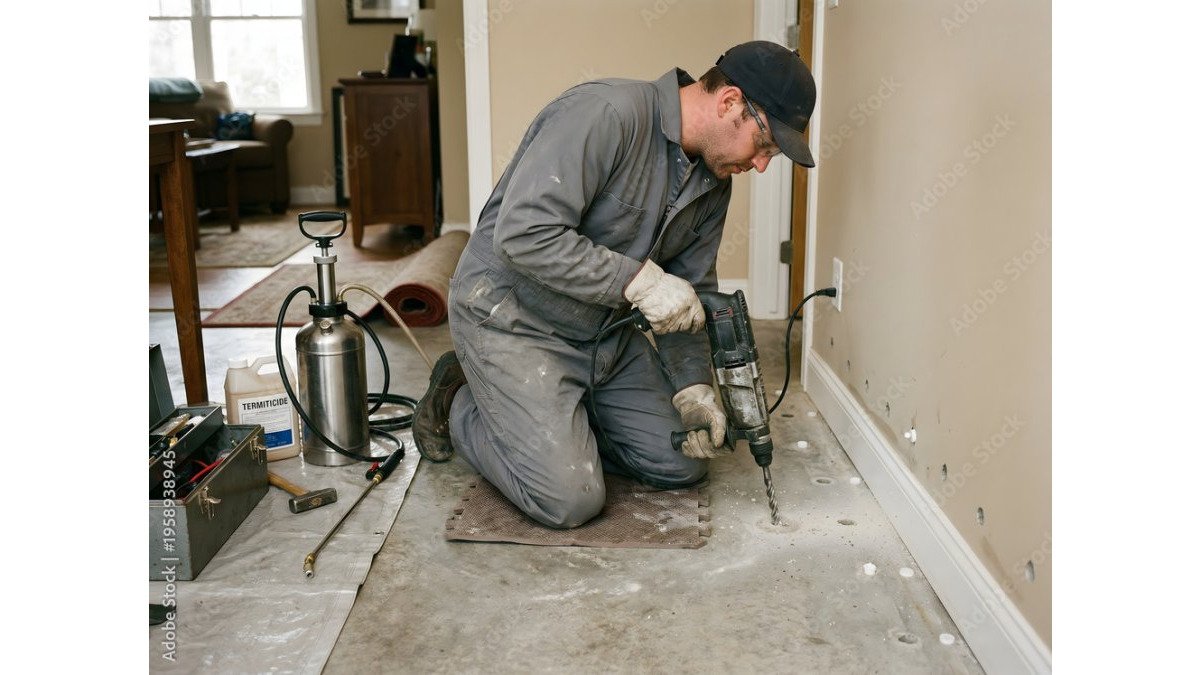
Termite inspection and treatment is generally handled as a separate service from general pest control. Termites cause structural damage that general treatments do not address.
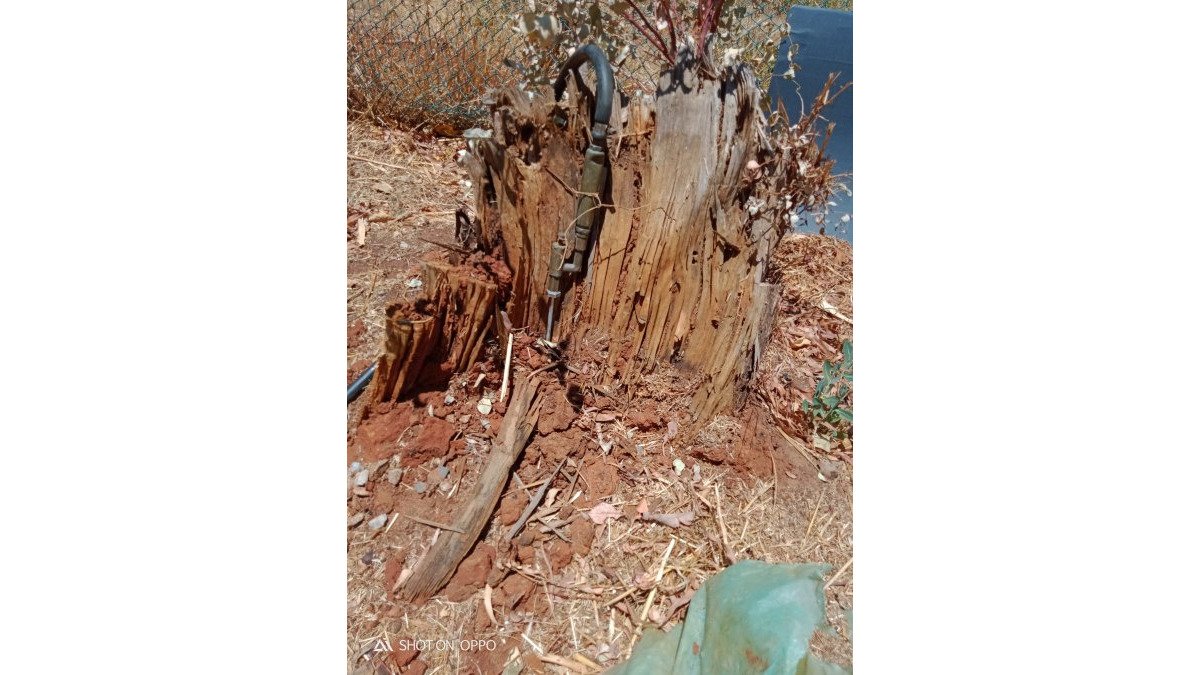
A proper termite inspection involves checking the property systematically: subfloor areas, roof voids, fences, retaining walls, and any timber in contact with soil.
If you want to check your own home between professional visits, our guide on how to inspect your home for termites step by step walks through the signs worth looking for.
Watch out: a general pest spray does nothing to stop termites. If you have seen mud tubes or damaged timber, book a dedicated termite inspection rather than a standard treatment.
Pest Treatment Preparation: What to Do Before the Technician Arrives
Pest treatment preparation is the work you do before the technician arrives, and it directly affects how well the treatment works. Clear access, sealed food, and a tidy treatment area give the products a chance to do their job.
Here is a general preparation checklist:
- Clear benchtops and put away food, utensils, and pet bowls
- Move furniture away from skirting boards in treated rooms
- Vacuum floors and remove crumbs before treatment
- Seal pantry items in containers and empty the dishwasher
- Arrange for pets and children to be out during the visit
- Tell the technician about anyone with respiratory conditions
- Cover fish tanks and turn off the pump, as sprays are toxic to fish
- Note where you have seen pest activity so the technician can target it
Preparation is where most bookings go wrong. A cluttered kitchen means the technician cannot reach the cracks where cockroaches live, and the treatment underperforms.
Pest Control Treatment Duration: How Long Each Stage Takes
Pest control treatment duration varies by pest and property. Knowing the timeline helps you plan the day and understand what counts as normal.
| Stage | What Happens | Typical Duration |
|---|---|---|
| Inspection | Technician checks entry points and activity | 20-40 minutes |
| Treatment application | Baiting, spraying, or trapping | 30-90 minutes |
| Drying and re-entry | Products settle, rooms ventilate | 2-4 hours |
| Follow-up visit | Check results, top up bait, retreat if needed | 15-45 minutes |
Why do pests sometimes return after professional treatment? Usually because the follow-up was skipped, the proofing was never done, or a neighbouring property keeps reinfesting the boundary. Our article on why pests return after professional treatment explains the common causes in more detail.
Safety for Children, Pets and Sensitive Occupants
Safe treatment is a planning question, not a product question. Occupants should stay off treated surfaces until they are dry.
Practical safety steps we recommend:
- Keep children and pets out of treated rooms until surfaces are dry, usually a few hours
- Cover or remove food preparation surfaces and utensils before spraying
- Cover fish tanks and turn off filters, because sprays are highly toxic to fish
- Tell the technician about pregnancy, asthma, or chemical sensitivity before the visit
- Store the treatment record and follow-up date somewhere visible
If you want a deeper look at chemical safety around animals and kids, read our guide on whether pest control chemicals are safe for pets. It covers the products, the re-entry times, and the questions worth asking before treatment.
Your Pest Control Service Checklist Before Booking
Use this checklist before you book any pest control service, to help you check what a quote should cover before you pay a deposit.
Licensing and insurance
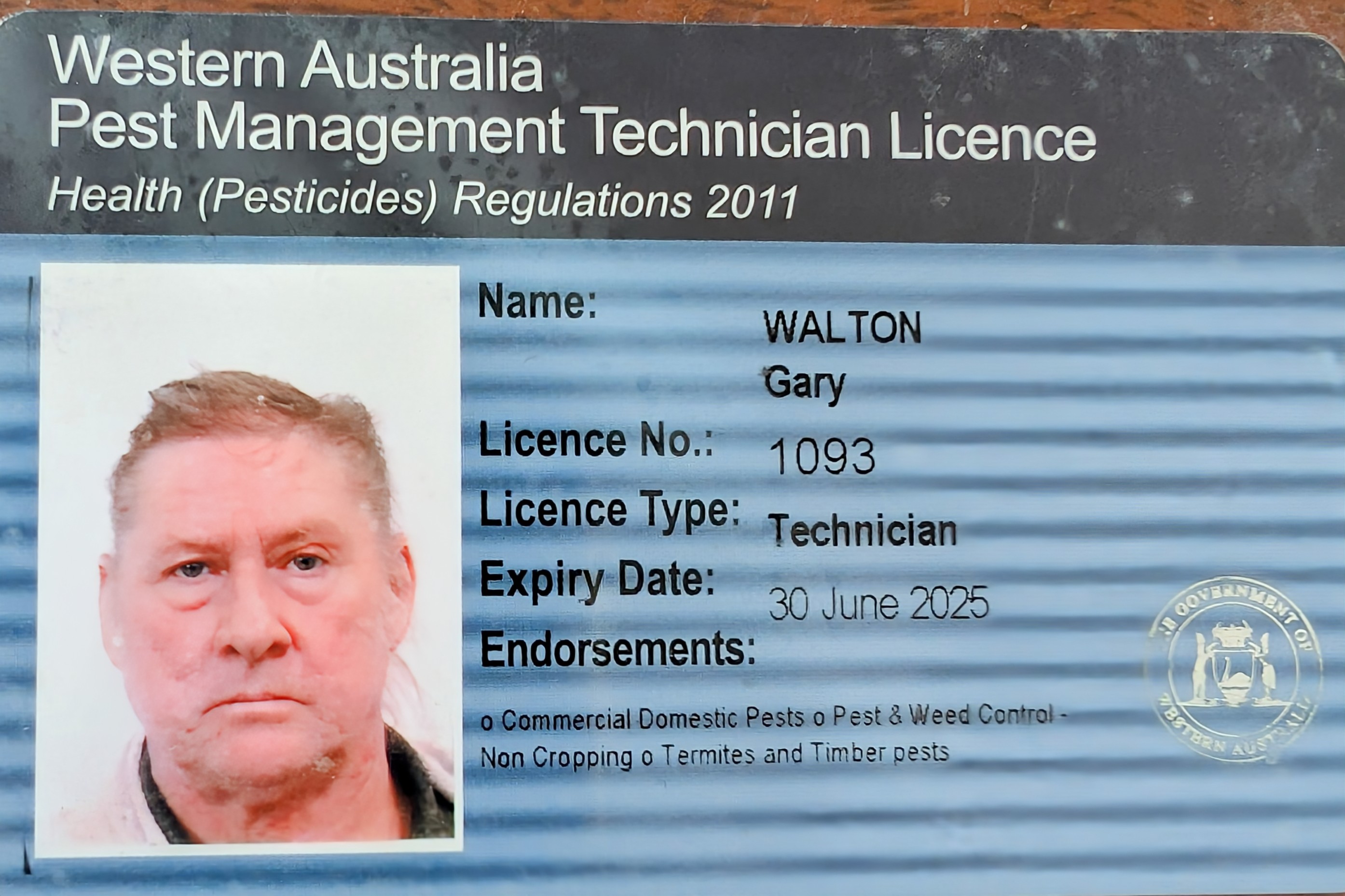
- Confirm the provider holds a current public health licence, and ask for the licence number so you can check it with the relevant state or territory health authority
- Ask whether they carry public liability insurance and workers compensation cover, and request a certificate of currency
- Confirm the technician who will attend is licensed, not just the business
Pest control work is regulated at state and territory level, and the licensing authority differs by jurisdiction. A provider who cannot produce a licence number is not worth the risk, because an unlicensed operator may use restricted products or apply them at the wrong rate.
What the quote should cover
- Ask whether the quote is free and what it covers, including whether inspection time is billed separately
- Confirm the treatment includes a follow-up visit, and how many
- Ask what the guarantee covers and how long it runs, and get it in writing
- Check whether the price includes proofing and exclusion work or only the chemical application
- Confirm whether GST is included in the quoted figure
- Ask what happens if the pest returns inside the guarantee period, and whether the callout is free
A common pattern is a low headline price that excludes the follow-up visit, which is where the real cost sits for bed bugs and cockroaches. Compare quotes on total program cost, not the first visit.
Scope and availability
- Check whether they handle your specific pest, including termites, because termite work is a separate scope from general pest control
- Confirm after-hours availability for emergencies, and ask what the after-hours callout fee is
- Ask for the treatment report and product details after the visit, including the active ingredient and the re-entry time
- Check reviews from customers with similar properties, because a strata building and a freestanding house are different jobs
One point worth weighing: a local provider who answers the phone at 2am on a Sunday and knows the area is often more useful than a national call centre that books you in for next week. If you are still deciding between a professional service and doing it yourself, our comparison of pest control vs DIY home treatments sets out where each approach works.
Watch out: a guarantee that is verbal only, or that excludes re-treatment, is worth very little. Ask for the terms in writing before you book.
Book a Free Quote and Inspection with Challenge Pest Control
Booking starts with a free quote and a property inspection, and that inspection is where the real value sits.
What you get when you call:
- Free quotes and free advice before any work begins
- 24/7 availability for urgent problems
- Pensioner discounts for eligible clients
If you want to know whether quotes cost anything, our article on whether pest control companies charge for quotes answers that directly. When you are ready, call 0422 926 291 and book an inspection.
Pests rarely fix themselves, and the longer an infestation runs, the more it costs to resolve.
Frequently Asked Questions
What do professional pest treatment services include?
A standard visit starts with a property inspection and pest identification, followed by the treatment itself: baiting, targeted spraying, trapping or proofing depending on the pest. You should also receive a written record of what was used and where, plus advice on follow-up. Termite work is usually quoted separately because it involves thermal imaging, moisture checks and longer-lasting barriers. Ask for the treatment plan in writing before anyone starts.
How should I prepare my property for pest treatment?
Clear bench tops and floors in the rooms being treated, move stored food into sealed containers, and pull furniture slightly away from skirting boards. Wash pet bowls and bedding afterwards, and cover fish tanks before spraying.
Are pest treatments safe for children and pets?
Most general treatments need occupants and pets out of the treated rooms for a few hours while surfaces dry, and your technician will tell you the exact re-entry time. Tell the booking team about young children, pets, fish tanks, birds or anyone with respiratory sensitivity so the treatment plan can be adjusted. Ask for the product name and safety data sheet if you want to check it yourself.
How long does pest control treatment duration usually run?
Ask what follow-up is included before you book.