 How-to
How to Choose Local Pest Control: 2026 Guide
Table of Contents
- Why Local Pest Control Matters for Your Property
- Licensing, Insurance and Qualifications to Verify
- Questions to Ask a Pest Control Company Before Booking
- Your Pest Control Quote Checklist: Comparing Written Estimates
- What a Pest Control Treatment Guarantee Should Cover
- Pest Control Preparation Checklist: Getting Ready for a Visit
- Red Flags and Misleading Claims to Watch For
- Conclusion: Making Your Final Choice
- Frequently Asked Questions
Last Updated: October 15, 2026
Why Local Pest Control Matters for Your Property
Choosing how to choose local pest control comes down to verifying four things: a current public health licence, insurance, written guarantees, and knowledge of the pests actually active in your area. Get those right and you avoid most of the problems that follow a bad treatment.
At Challenge Pest Control, we have worked on properties around Perth since 1987, and the same pattern shows up again and again. Homeowners pick a provider on price, the pests return within weeks, and the second treatment costs more than doing it properly the first time.
Local knowledge is not a marketing line. Pest pressure changes by suburb, by soil type, and by season. A technician who works the same streets every week knows when termites swarm locally, which rodents move indoors as the weather cools, and which treatments hold up in local conditions.
Licensing, Insurance and Qualifications to Verify
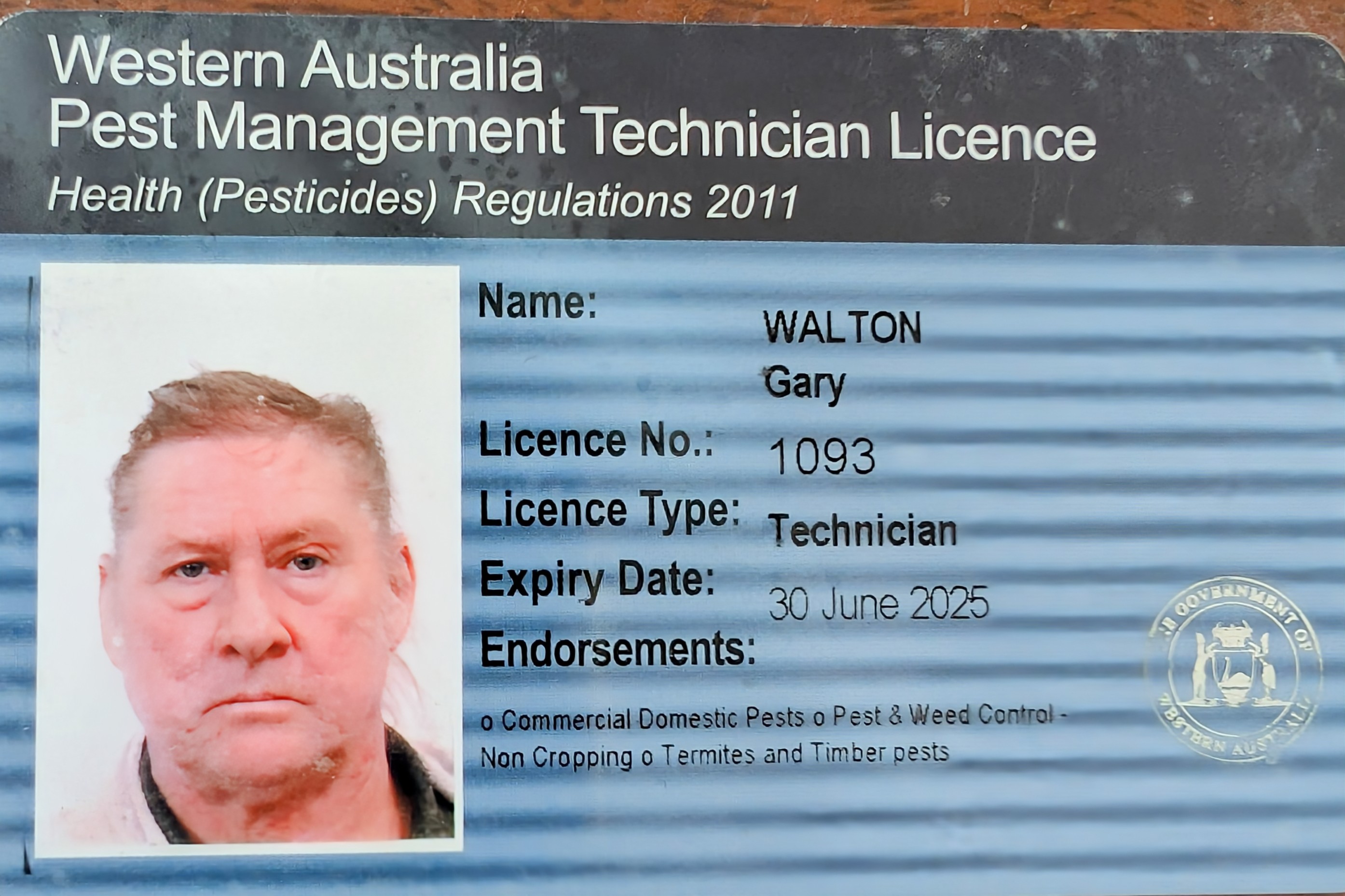
Ask for the licence number before anyone sets foot on your property. Pest control businesses in Australia must hold a current public health licence for the work they carry out, and technicians must be individually licensed or supervised.
Verification takes two minutes:
- Ask for the public health licence number and the name it is registered under.
- Check that the business holds current public liability insurance and ask for the certificate.
- Confirm the individual technician is licensed, not just the company.
- Ask whether they hold PestCert accreditation or HACCP certification if your property handles food.
Insurance matters more than most people realise. If a technician damages pipework or a treatment affects a neighbour's property, an uninsured operator leaves you carrying the cost.
Questions to Ask a Pest Control Company Before Booking
The right questions to ask a pest control company separate a professional operator from a call centre. Ask them before you book, not after.
- What pest have you identified, and how?
- Which treatment methods will you use, and why those?
- Are the products safe around children and pets, and what is the re-entry time?
- What preparation do I need to do beforehand?
- Is the treatment guaranteed, and what does the guarantee cover?
- How soon can you attend, including after hours?
- What does the written estimate include, and what would cost extra?
A provider who cannot answer these clearly is guessing. A licensed technician will explain the treatment plan, the products, and the expected outcome without pressure.
For anyone comparing providers, health department guidance on pest control licensing sets out what a licensed operator is required to hold. Ask directly and compare answers.
Your Pest Control Quote Checklist: Comparing Written Estimates
A written estimate is the only quote worth comparing. Verbal figures change once the technician arrives, and an itemised quote tells you exactly what you are paying for.

Use this checklist when you compare two or three quotes side by side:
- Business name, licence number and insurance details stated
- Pest identified in writing, not just "general pests"
- Treatment area described (internal, external, roof void, subfloor)
- Products or methods named
- Number of visits included, and follow-up terms
- Guarantee period and what it covers
- Total cost, including any call-out or inspection fee
- Preparation and re-entry instructions provided
| What to Compare | Weak Quote | Strong Quote |
|---|---|---|
| Pest identified | "General spray" | Named species and evidence |
| Treatment scope | Vague | Areas listed in writing |
| Guarantee | None stated | Written period and terms |
| Follow-up | Extra charge | Included visit |
| Safety advice | Not mentioned | Preparation and re-entry given |
Pricing depends on the property size, the pest, and the treatment method, so we quote each job individually. Challenge Pest Control provides free quotes and free advice, so you can compare properly before committing.
What a Pest Control Treatment Guarantee Should Cover
A pest control treatment guarantee should state the covered pest, the guarantee period, and what happens if the pest returns. Anything less is not a guarantee, it is a promise.
Read the fine print for three things. First, which pests are covered, since many guarantees exclude secondary pests. Second, how long the period runs. Third, whether a follow-up visit is included or charged.
Warranty period vs service period
These are two different things and providers often blur them. The warranty period is how long the provider stands behind the result. The service period is how long the treatment is expected to remain effective under normal conditions. A warranty can be shorter than the service period, which is why a guarantee that runs for only a few weeks on a treatment marketed as lasting months deserves a question.
What guarantees commonly exclude
Most written guarantees exclude more than homeowners expect. Common exclusions include:
- New pest activity caused by building works, renovations or neighbouring properties
- Reinfestation where preparation instructions were not followed
- Pests not named in the original scope (for example, a cockroach treatment that does not cover rodents)
- Damage to property or contents rather than the pest itself
- Consequential losses such as spoiled food or accommodation costs
Ask the provider to walk you through the exclusions before you sign, not after a problem appears.
How to make a claim
A guarantee is only as good as the claim process behind it. Before booking, ask:
- Who do I contact if the pest returns, and how?
- What evidence do you need, photos, dates, the original quote?
- How quickly will you attend a valid claim?
- Is the return visit free, or is there a call-out fee?
- What happens if the same pest returns after the warranty period ends?
A provider who cannot answer these in writing is offering a verbal comfort, not a guarantee.
Pest Control Preparation Checklist: Getting Ready for a Visit
Preparation makes the treatment work better and keeps everyone safe. A good provider gives you a pest control preparation checklist before the visit, not on the day.
- Clear benchtops, floors and skirting boards in treated areas
- Store food in sealed containers or the fridge
- Cover or remove pet food and water bowls
- Move pets and children's toys from treatment zones
- Arrange access to roof voids, subfloors and cupboards
- Note any allergies, asthma, or pregnancy in the household
- Confirm re-entry time and follow it exactly
Household-specific safety planning
A generic checklist does not fit every home. Tell the provider about your household before the visit so the plan can be adjusted:
- Children and infants, ask about re-entry times and whether surfaces need wiping down before children return to treated areas.
- Pets, including birds and fish, some treatments are more hazardous to certain animals, and tanks or cages may need covering or moving.
- Allergies and asthma, ask for lower-odour or non-residual options where sensitivity is a concern.
- Pregnancy, request the product safety information and re-entry guidance in advance.
- Mobility needs, if anyone in the household cannot easily leave during treatment, discuss timing and access so no one is stranded.
- Rental properties, check whether the landlord or agent needs to authorise the treatment and who holds the guarantee.
Re-entry and aftercare
Re-entry time is the period you must stay out of treated areas while products settle and dry. It varies by product and method, so ask for it in writing. When you return:
- Ventilate the property by opening windows where safe to do so
- Wipe down food preparation surfaces before use
- Wash hands after handling treated areas or pet items
- Keep pets and children away from treated zones until the stated time has passed
Safety precautions for people and pets are not optional extras. Ask which products will be used and how long to stay out. For households with young children, pets, or anyone with respiratory conditions, this conversation should happen before booking.
Australian Pesticides and Veterinary Medicines Authority guidance regulates the products used in treatments and publishes safety information you can check.
Red Flags and Misleading Claims to Watch For
Watch for pressure tactics and vague promises. The clearest red flags are a refusal to provide a licence number, a quote given without any inspection, and guarantees described only verbally.
Other warning signs:
- Claims that one treatment eliminates a pest permanently
- Quotes that jump in price once the technician is on site
- No written estimate before work begins
- No mention of re-entry times or product safety
- Cash-only payment with no receipt or paperwork
- No fixed business address or verifiable reviews
A provider who will not put terms in writing is telling you something. Integrated pest management, which combines inspection, prevention and targeted treatment rather than blanket spraying, tends to produce better long-term results. Ask whether the provider offers lower-impact options.
Conclusion: Making Your Final Choice
The hardest part is not finding a provider, it is finding one you can hold to account when something goes wrong. Check the licence, compare written quotes line by line, and read the guarantee before you sign.
Challenge Pest Control has served commercial, industrial and domestic clients since 1987, with a public health licence, full insurance, 24/7 availability, free quotes and pensioner discounts. We guarantee all work and handle everything from termites to rodents and general pests.
Call and book today on 0422926291, and get a written quote you can actually compare.
Frequently Asked Questions
What should I check before hiring a pest control company?
Before hiring, verify the company holds a current public health licence and public liability insurance. Ask for the licence number and check it with your local council or state health department. Confirm they have experience with the pests common in your area, such as termites, cockroaches, or rodents. Request a written, itemised quote and read the treatment guarantee carefully. Also check customer reviews and ask for references from similar properties. A reputable local pest control company will provide all this without hesitation.
How can I compare pest control quotes fairly?
Use a pest control quote checklist to compare quotes line by line. Look at what pests are covered, the treatment methods proposed, the number of visits included, and whether follow-up inspections are part of the price. Check if the quote includes preparation instructions and a written guarantee. Be wary of quotes that are much lower than others; they may exclude follow-up or use fewer safety measures. Always ask for the quote in writing and confirm there are no hidden call-out fees.
What does a pest control treatment guarantee usually cover?
A pest control treatment guarantee typically covers a free return visit if the targeted pests reappear within a specified period. The length varies by pest and treatment type, so ask for the exact terms in writing. It should state which pests are covered, the duration, and any conditions you must meet, such as following preparation instructions. A strong guarantee also outlines what happens if the problem persists after the follow-up. Always get the guarantee details before booking.
What should I do to prepare my home before a pest control treatment?
Follow the pest control preparation checklist provided by your technician. Common steps include clearing kitchen benches and floors, storing food in sealed containers, and moving pets and children away from treatment areas. Remove or cover fish tanks and bird cages. Vacuum carpets and mop hard floors beforehand. If you have questions about safety precautions for children and pets, ask the company for specific re-entry guidance. Proper preparation helps the treatment work effectively and keeps your household safe.