 blog
Best Pest Control Methods for Businesses: 2026 Guide
Table of Contents
- Best Pest Control Methods for Businesses: A Comparison
- Integrated Pest Management for Businesses: The Framework That Works
- Your Commercial Pest Inspection Checklist: What to Look For
- Pest Control Methods for Restaurants and Food Businesses
- Commercial Pest Control Treatment Frequency: How Often Is Enough?
- Non-Chemical and Low-Toxicity Methods for Sensitive Sites
- Choosing a Service Provider and What to Expect
- Frequently Asked Questions
Last Updated: October 14, 2026
Best Pest Control Methods for Businesses: A Comparison
Effective pest control methods for businesses are the documented, repeatable steps that keep rodents, cockroaches, termites, and other pests out of commercial premises while protecting staff, stock, and compliance standing.
The stakes are higher than most operators assume. A single rodent sighting in a food business can trigger a council inspection, a poor audit result, or a lost contract with a major supplier.
Quick Comparison: Method Strengths and Limits
| Method | Best For | Main Limitation | Typical Role |
|---|---|---|---|
| Integrated pest management | All commercial sites | Needs ongoing commitment | Framework for everything else |
| Physical and mechanical control | Warehouses, food prep | Won't solve active infestations alone | First line of defence |
| Chemical control | Established infestations | Requires licensed application | Targeted knockdown |
| Biological control | Outdoor and perimeter areas | Slow to act | Long-term suppression |
| Monitoring and baiting systems | High-risk premises | Needs regular servicing | Early warning |
Integrated Pest Management for Businesses: The Framework That Works
Integrated pest management for businesses is a decision-making framework that prioritises prevention and monitoring over routine chemical spraying, treating pesticides as one tool among several.
The framework follows a logical sequence:
- Inspect the site to identify pest species, entry points, and harbourage areas
- Prevent access through exclusion and proofing work
- Monitor activity with devices placed at known risk points
- Treat only where monitoring confirms a problem
- Review results and adjust the plan
A common mistake is treating IPM as a one-off service.
For food businesses, Safe Food Australia guidance on pest control reinforces that premises must have a pest control program in place. IPM gives you the documented structure auditors want to see.
Your Commercial Pest Inspection Checklist: What to Look For
A commercial pest inspection checklist is the list of specific areas and signs a technician reviews during a site assessment, turning a vague walkthrough into a repeatable process.

Use this checklist as a starting point for your own site:
- Droppings, smear marks, or gnaw damage near walls and skirting
- Grease and food residue behind cooking equipment and under benches
- Gaps around pipes, conduits, and door frames wider than a pencil
Pest Control Methods for Restaurants and Food Businesses
Pest control methods for restaurants carry a higher bar than almost any other setting. Food handling areas demand methods that are effective, documented, and safe around food preparation surfaces.
The priorities differ from a warehouse or office:
- Sanitation first. Clean drains, sealed bins, and a nightly deep clean of cooking areas remove the food and water pests need.
- Exclusion second. Door seals, air curtains, and sealed pipe penetrations stop entry before it happens.
- Monitoring third. Bait stations and traps placed away from food prep areas give early warning.
The NSW Food Authority pest control requirements for food businesses note that pest control must be carried out in a way that does not contaminate food or food contact surfaces. That is why treatment timing matters as much as the product used.
Commercial Pest Control Treatment Frequency: How Often Is Enough?
Commercial pest control treatment frequency depends on your risk level, pest pressure, and audit requirements. Any provider quoting one flat schedule for every site is guessing.
| Site Type | Suggested Frequency | Reason |
|---|---|---|
| Restaurants and food prep | Monthly or more | High audit and health risk |
| Warehouses and storage | Monthly to quarterly | Large area, moderate risk |
| Offices and retail | Quarterly | Lower food and water sources |
| Healthcare and aged care | Monthly | Compliance and vulnerable occupants |
Frequency should also flex with the season: warmer months drive up activity, so a site quiet in winter may need extra attention in summer. Ask your provider how they adjust the schedule rather than accepting a fixed calendar.
What Drives the Cost of a Commercial Program
Pricing is quoted per site, not per method, because the inputs vary so much. The main cost drivers are:
- Site size and complexity. A single-line kitchen is faster to service than a multi-level warehouse with racking, loading docks, and roof voids.
- Risk category. Food handling, healthcare, and childcare sites need more devices, more frequent visits, and more documentation than a low-risk office.
- Device count and type. Bait stations, insect light traps, rodent monitors, and remote-sensing units each carry a per-unit cost to supply, install, and service.
A recurring service model spreads these costs across the year and is generally cheaper per visit than reactive call-outs, because the technician already knows the site and device map. Prevention also reduces indirect costs that never appear on an invoice: stock loss, downtime, audit corrective actions, and staff time.
Implementation Timeline and Business Disruption
A well-run program should be planned around your operations. A typical sequence:
- Pre-service inspection and plan. The technician maps risk areas, device positions, and entry points, and agrees the schedule with you.
- Initial treatment or device installation. This is usually the longest visit. Where possible it is booked outside peak trading hours.
- Preparation before each routine visit. You clear access to device locations, and food businesses cover or remove exposed food as directed.
- Service visit. Devices are checked, replaced, or rebaited, and findings are recorded.
- Re-entry and clean-down. For most low-toxicity and bait-based work, normal operations can resume once the technician confirms the area is clear. Where a spray or fogging treatment is used, follow the technician's re-entry and ventilation advice.
- Reporting and review. You receive a service report, and any corrective actions are assigned an owner and a due date.
How to Tell Whether the Frequency Is Working
Frequency is only correct if the results say so. Track a few indicators at each service:
- Pest sightings reported by staff, by species and location
- Trap and device counts, including any upward trend between visits
- Time to resolve confirmed activity after it is reported
If sightings and trap counts stay flat or fall, the interval is holding. If the same location keeps appearing on reports, the answer is usually not more frequent spraying but fixing the underlying cause: a gap, a drain, or a harbourage point. Raise it at review time.
Non-Chemical and Low-Toxicity Methods for Sensitive Sites
Non-chemical methods are the safest option for sites with children, residents, patients, or food handling, and they work best as part of a broader plan, reducing reliance on pesticides without leaving a gap in protection. Common approaches:
- Exclusion and proofing: sealing gaps, fitting door seals, and repairing damaged structures
- Physical removal: vacuuming, trapping, and removing harbourage
- Environmental control: fixing leaks and improving drainage to remove water sources
- Biological control: encouraging natural predators in outdoor and perimeter areas
For aged care, childcare, and healthcare sites, these methods carry the most weight because chemical applications near vulnerable occupants need careful handling. Where treatment is required, low-toxicity products applied by a licensed technician are used in targeted spots rather than broadcast.
Choosing a Service Provider and What to Expect
Choosing a service provider comes down to documentation, licensing, and responsiveness, not just price. You want a provider who can show a written plan, explain their method choices, and turn up when something goes wrong. Confirm these before signing:
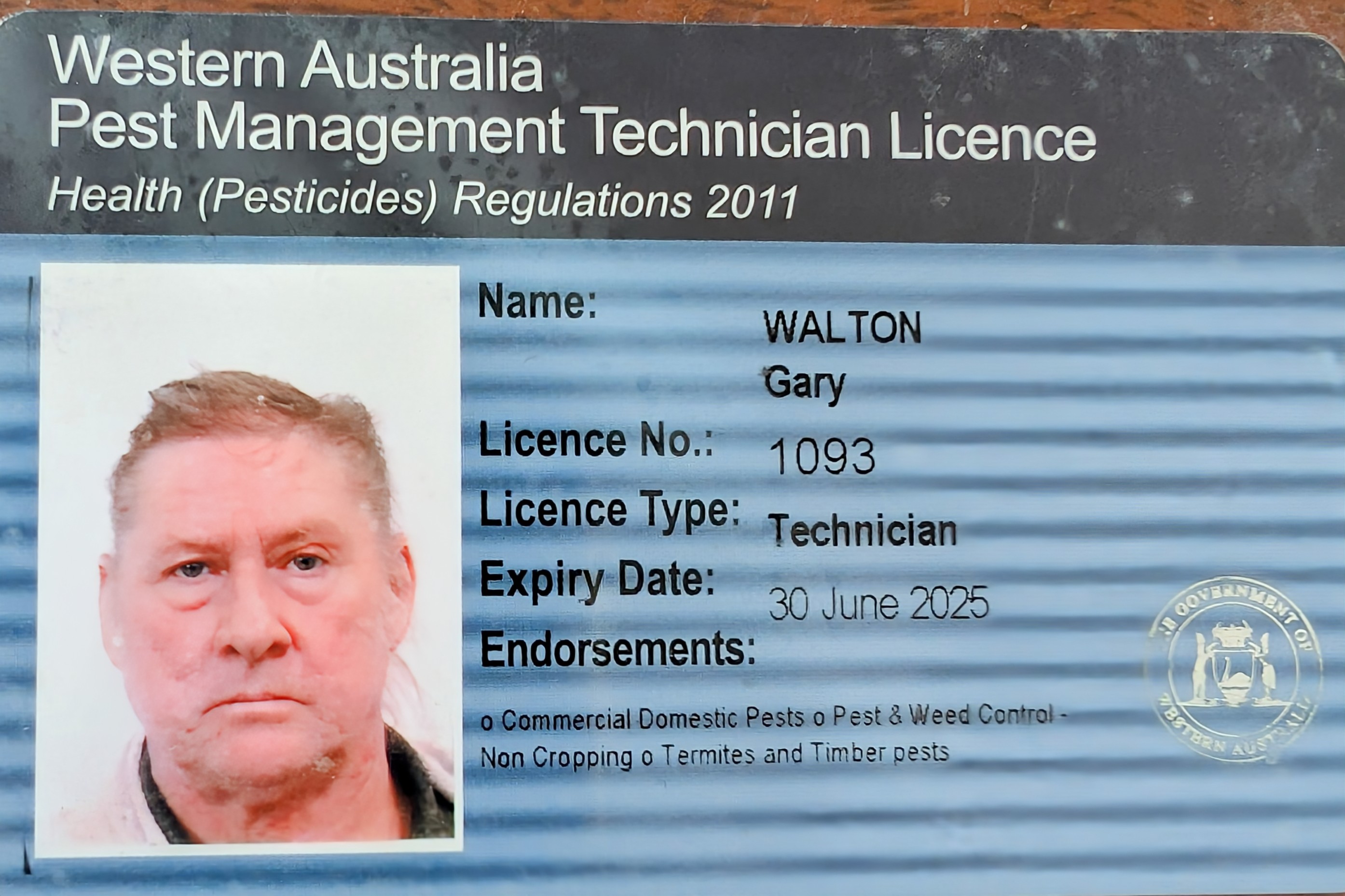
- Licensing and insurance. Ask for current public health licensing and proof of insurance.
- A written pest management plan. It should name your risk areas, methods, and service frequency.
- Clear reporting. Every visit should produce a record of what was found and what was done.
- Guarantees. Ask what happens if pests return after treatment.
The Records That Make You Audit-Ready
The difference between a provider who services your site and one who protects your compliance is the paperwork. Auditors want to see that you have a system, that it is current, and that you acted on what it found. Ask for, and keep:
- A site plan or device map showing where every bait station, trap, and monitor is located, with a unique identifier for each.
- Inspection logs for each visit, recording areas checked, findings, and any activity observed.
- Treatment records listing the product used, the active ingredient, the application method, the area treated, and the technician's licence details.
- Safety data sheets for any chemical used on site, kept accessible to staff.
For food businesses, this documentation is not optional. The Safe Food Australia guidance on pest control expects premises to maintain evidence of a pest control program, and a folder of dated reports with a current device map is the simplest way to demonstrate that at inspection.
Performance Measures to Agree Before You Sign
A service contract should define what success looks like, not just how often someone visits. Agree on measurable indicators reported at each service or quarterly review:
- Response time to a reported sighting, measured in hours, including out-of-hours.
- Time to close out confirmed activity, from first report to verified resolution.
- Repeat infestation rate at the same location within a defined period.
- Device servicing compliance, meaning every device on the map was checked and recorded at every visit.
These measures let you judge whether the program is working and give you a factual basis for a conversation if it is not. A provider who resists putting numbers on their service is telling you something about how they will handle a problem.
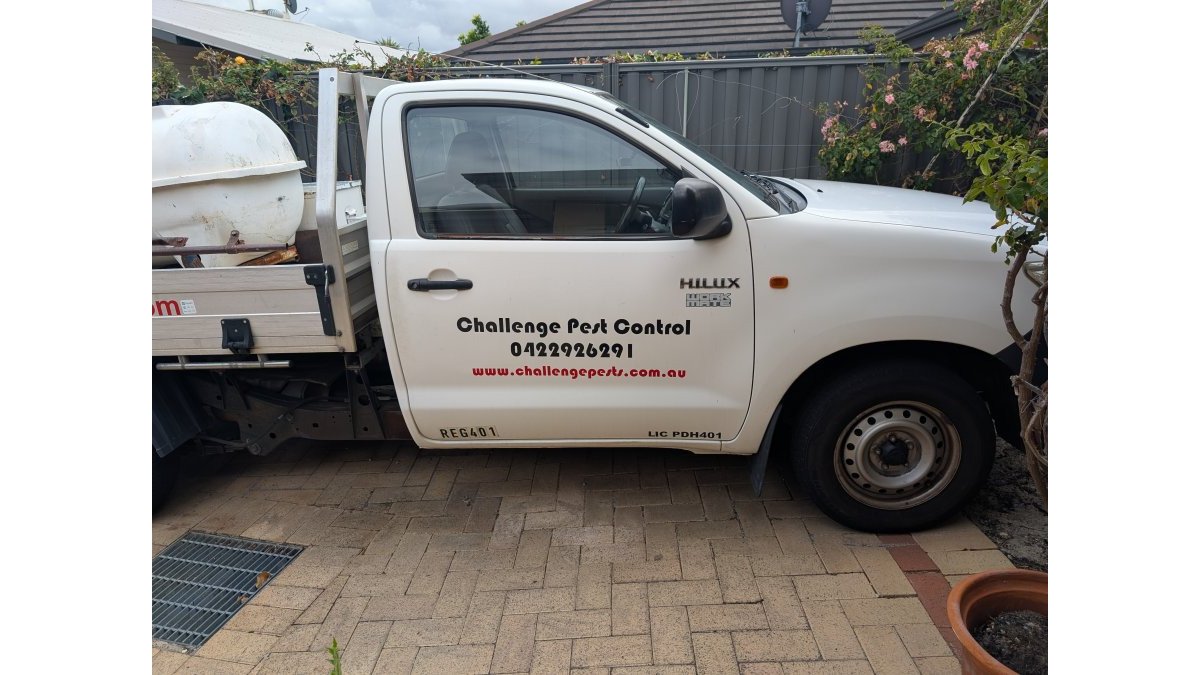
Challenge Pest Control provides free quotes and free advice, operates 24 hours a day, seven days a week, and guarantees all work. We are fully insured and hold Public Health License 401.
Frequently Asked Questions
Which pest control method is most effective for businesses?
There is no single best method. Integrated pest management for businesses combines inspection, exclusion, sanitation, monitoring and targeted treatment. For most commercial sites, IPM delivers the most reliable long-term results because it addresses the cause of the infestation rather than just the visible pests. Chemical control still plays a role, but it works best as one part of a broader plan rather than the only approach.
How often should a business schedule pest inspections?
Commercial pest control treatment frequency depends on your industry and risk level. High-risk sites such as food businesses typically need monthly inspections and servicing. Offices and retail spaces may only need quarterly visits. Industrial sites with bulk storage or waste handling often sit somewhere in between. Your provider should assess your site and recommend a schedule based on pest pressure, building condition and any compliance requirements that apply.
Can a business prevent pests without relying on pesticides?
Yes. Physical and mechanical control methods, including proofing, sealing entry points, installing door sweeps, managing waste areas and fixing moisture problems, can significantly reduce pest activity. Sanitation and hygiene practices remove the food and water sources pests need. Monitoring devices such as traps and bait stations help detect activity early. Many businesses use these non-chemical methods as their first line of defence and reserve pesticides for targeted treatment when monitoring shows a problem.
What should be included in a commercial pest inspection checklist?
A thorough checklist covers entry points such as gaps, vents and pipe penetrations, food storage and preparation areas, waste and recycling zones, moisture sources like leaks and drains, and signs of pest activity including droppings, gnaw marks and nesting material. It should also record monitoring device locations, previous treatment history and any corrective actions needed. Documentation matters for audits, so keep records of every inspection, finding and follow-up action.
Pest problems in a commercial setting rarely stay small, and the cost of waiting is measured in audits, lost stock, and damaged reputation. Challenge Pest Control has kept commercial, industrial, and domestic sites protected since 1987, with 24/7 availability, fully insured service, and guaranteed work backed by free quotes and pensioner discounts. Call and book today on 0422926291 and get a pest management plan matched to your business risk.