 How-to
How to Get Rid of Carpet Beetles: Step-by-Step
Table of Contents
- Identify Carpet Beetles and Their Larvae
- Find the Source and Infestation Hotspots
- Does Vacuuming Get Rid of Carpet Beetles?
- Clean and Treat Clothing and Textiles
- How to Get Rid of Carpet Beetles Naturally
- Carpet Beetle Prevention: Stop Them Returning
- When to Call a Professional Pest Controller
- Frequently Asked Questions
Last Updated: October 20, 2026
Identify Carpet Beetles and Their Larvae
Carpet beetles are small, oval-shaped insects that feed on natural fibres like wool, silk, and cotton. Adult beetles are typically 5-8mm long and can be brown, black, or patterned. The larvae, however, cause most of the damage.
The larvae are what you need to focus on when learning how to get rid of carpet beetles. Adults lay eggs in hidden spots, closets, under furniture, inside rugs. The larvae hatch within days and start feeding immediately on natural fibres, pet hair, lint, and dead insects.
Mistaking carpet beetles for other pests is common. Silverfish are longer and shinier. Bed bugs are flatter and darker. Moth larvae are smoother and less hairy.
Find the Source and Infestation Hotspots
Before you can effectively get rid of carpet beetles, you need to find where they're living. Start by inspecting the areas where damage is most visible. Check the underside of rugs, the seams of upholstered furniture, and the corners of closets.
Carpet beetles thrive in undisturbed spaces. Look under beds, inside storage boxes, and behind wardrobes. They also hide in air vents, under baseboards, and inside wall cavities. If you have a pet, check pet bedding thoroughly, dead pet hair is a food source for larvae.
Pay special attention to:
- Closets with stored wool sweaters or blankets
- Rugs and carpets, especially at edges and corners
- Under cushions and inside sofa seams
- Attics and lofts with old textiles
- Pet bedding and feeding areas
Once you've found the hotspots, mark them. This helps you track whether your treatment is working. Take photos if possible. Document the areas you've treated and when.
Does Vacuuming Get Rid of Carpet Beetles?
Vacuuming alone won't get rid of carpet beetles completely, but it's an essential first step. A thorough vacuum removes larvae, eggs, and shed skins from carpets and upholstered furniture. It also removes lint and pet hair that feed the larvae.
Here's the catch: vacuuming won't reach beetles hiding deep inside walls, under floorboards, or in sealed spaces. It's also easy to miss edges, corners, and the undersides of furniture where larvae concentrate.
The vacuuming process:
- Use a high-powered vacuum with a brush attachment
- Vacuum all carpeted areas, paying extra attention to edges and corners
- Lift furniture and vacuum underneath thoroughly
- Run the vacuum along baseboards and crevices
- Empty the vacuum bag or canister outside immediately
- Repeat every 3-5 days for at least two weeks
After vacuuming, seal the vacuum bag in a plastic bag and dispose of it outside. Larvae can survive inside the vacuum and re-infest your home.
Vacuuming is best combined with other treatments. On its own, it reduces the population but doesn't eliminate it entirely. Think of it as damage control, not a complete solution.
Clean and Treat Clothing and Textiles
Washing and heat-treating fabrics is one of the most effective ways to get rid of carpet beetles. Heat kills all life stages, eggs, larvae, and adults. Most fabrics can tolerate medium heat without damage.
For washable items:
- Inspect clothing and textiles for signs of damage or larvae
- Wash in hot water (at least 50°C) with regular detergent
- Dry on high heat for at least 30 minutes
- Store in sealed plastic containers or bags
Items that can't be washed should be sealed in plastic bags and placed in direct sunlight for several days. Sunlight and heat together create a hostile environment for larvae.
For delicate fabrics that can't handle heat, freezing works too. Seal items in plastic bags and place them in a freezer at -18°C or lower for at least two weeks. This kills all life stages of carpet beetles.
Don't forget about:
- Blankets and quilts
- Wool sweaters and jumpers
- Curtains and drapes
- Upholstered furniture covers
- Pet bedding
- Stored textiles in boxes or bags
After treatment, store clean items in sealed containers. This prevents re-infestation. Avoid storing items in cardboard boxes, which beetles can penetrate. Use plastic storage bins with tight-fitting lids instead.
How to Get Rid of Carpet Beetles Naturally
Natural methods are not a single fix. They work best as a layered plan where each method targets a different life stage or hiding place.
Diatomaceous earth (DE)
Food-grade DE is a fine powder made from fossilised algae. It abrades the waxy outer layer of an insect's exoskeleton, causing it to lose moisture and die.
- Apply a light dusting, a visible drift is too much. Use a puffer bottle or a sieve.
- Target cracks, crevices, baseboard edges, under furniture, and the perimeter of rugs.
- Leave for 24-48 hours, then vacuum thoroughly. Reapply after vacuuming.
- Keep it dry. Moisture makes DE clump and lose effectiveness.
Safety note: food-grade DE is low-toxicity, but it is a fine dust.
Neem oil
Neem oil contains azadirachtin, which disrupts insect feeding and moulting.
- Dilute according to the label and spray along skirting boards, under furniture, and around storage areas.
- Repeat every 7-10 days while activity continues.
- Test on an inconspicuous patch of fabric or flooring first, neem can stain or leave an odour.
- Keep pets away from treated surfaces until dry, and do not apply to pet bedding unless the label specifically permits it.
Essential oils (cedar, lavender, peppermint)
These are repellents, not killers. They can make a storage area less attractive to adults looking to lay eggs, but they will not eliminate an active infestation.
Heat and sunlight
Freezing
Sealing items in plastic bags and freezing at -18°C or lower for at least two weeks kills all life stages.
Boric acid powder
How to sequence natural methods
- Vacuum thoroughly first to remove larvae, eggs, and food debris.
- Heat-treat or freeze washable and delicate textiles.
- Apply DE or neem to cracks, edges, and hidden surfaces.
- Use essential oils only as a repellent layer in storage areas.
- Repeat vacuuming every 3-5 days and reapply treatments as needed.
Natural methods typically take 4-8 weeks to show clear results.
Carpet Beetle Prevention: Stop Them Returning
Once you've eliminated carpet beetles, preventing their return is crucial. A single female can lay hundreds of eggs, so prevention is far easier than dealing with a new infestation.
Regular maintenance prevents reinfestation:
- Vacuum carpets and upholstered furniture weekly
- Wash pet bedding regularly in hot water
- Store wool and silk items in sealed containers
- Keep closets clean and clutter-free
- Seal cracks and crevices around baseboards
- Check under furniture and in corners monthly
- Remove dead insects and debris promptly
- Ensure good ventilation throughout your home
Carpet beetles enter homes through open windows, doors, and on clothing or second-hand furniture. Before bringing used items into your home, inspect them thoroughly. Wash or heat-treat them if possible.
Decluttering helps too. The fewer hiding spots you have, the less likely beetles will establish themselves. Remove old boxes, piles of stored textiles, and unnecessary items from closets and storage areas.
When to Call a Professional Pest Controller
Most small carpet beetle infestations can be handled with consistent vacuuming, heat treatment, and targeted natural methods. The question is when DIY stops being sensible. Use the criteria below as a decision framework rather than a sales trigger.
Clear signs it is time to escalate
- You have treated consistently for 6-8 weeks and still find live larvae, new shed skins, or fresh damage.
- The infestation appears in more than one room, or you find evidence in roof spaces, wall cavities, or under floorboards.
- Damage is ongoing despite repeated cleaning, this suggests a hidden breeding site you cannot reach.
- You have a known allergy or respiratory sensitivity in the household and want to minimise ongoing exposure to dusts and sprays.
- You are uncomfortable applying powders or sprays around pets, children, or a pregnant household member.
- The problem keeps returning after apparent success, which usually means a source was missed.
What a professional assessment typically involves
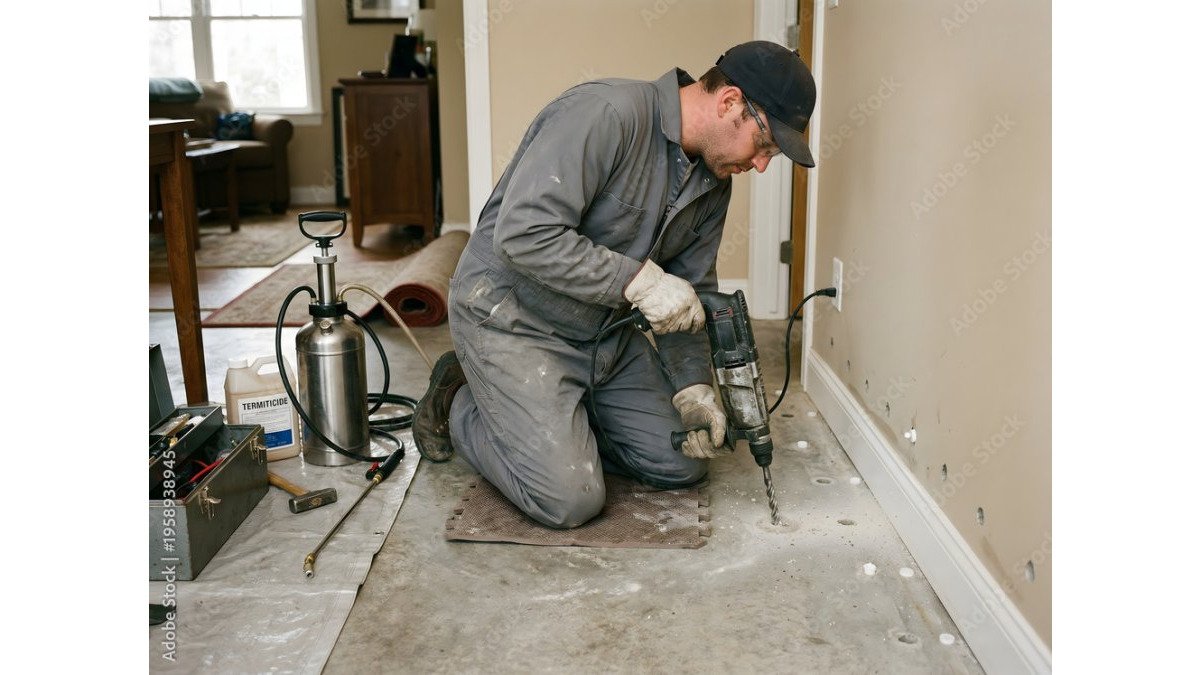
A pest controller will usually start with an inspection to confirm the species and locate breeding sites. Carpet beetles are often confused with other fabric pests, so confirmation matters before treatment.
Treatment may include:
- Targeted insecticide application to cracks, crevices, edges, and known harbourage areas.
- Residual treatments that remain active for a period, rather than a one-off knockdown.
- Advice on which textiles need laundering, heating, freezing, or disposal.
- Follow-up visits to check whether the treatment has worked, since eggs and larvae in hidden sites can survive an initial application.
Questions worth asking before you book
- What species have you identified, and how?
- Which areas will you treat, and which will you leave to me to clean?
- What products will you use, and what are the re-entry and safety instructions for pets and children?
- Is a follow-up visit included, and what does the guarantee cover?
- What should I do in the first two weeks after treatment?
What you can do alongside professional treatment
Professional treatment works best when combined with your own cleaning. Continue vacuuming, launder or freeze affected textiles, declutter storage areas, and keep monitoring hotspots. A pest controller can treat surfaces and harbourage areas, but they cannot remove the food sources and clutter that let beetles persist.
Realistic timelines
Expect to keep monitoring for several weeks after professional treatment. Seeing no new larvae or shed skins over a sustained period is the practical measure of success. If activity continues after a follow-up visit, ask for a re-inspection rather than repeating the same treatment blindly.
If your situation matches several of the escalation signs above, professional help is the practical next step. If it matches only one, a thorough DIY reset, vacuuming, heat treatment, decluttering, and monitoring, is still worth completing first.
Frequently Asked Questions
Does vacuuming get rid of carpet beetles?
Vacuuming removes adult beetles, larvae, and shed skins from carpets and furniture, but it's not a complete solution on its own. Larvae hide in deep carpet fibres, under furniture, and in cracks where a vacuum may not reach thoroughly. Combine vacuuming with washing textiles in hot water, steam cleaning, or applying food-grade diatomaceous earth for best results. Repeat vacuuming every few days during treatment to catch newly emerged adults.
Is it safe to use diatomaceous earth around children and pets?
Food-grade diatomaceous earth is safe for households with children and pets when applied correctly. Keep children and animals away from treated areas while the powder settles (usually 24 hours). Avoid applying it to surfaces where pets sleep or children play frequently. Wear a dust mask when applying to prevent inhalation. Insecticide sprays require stricter precautions; discuss safety measures with a professional pest controller before use, especially in homes with young children or animals.
How long does it take to get rid of carpet beetles completely?
Complete elimination typically takes 2-4 weeks with consistent treatment. Carpet beetle lifecycles vary, but eggs hatch within 6-11 days, and larvae develop over several weeks. After initial treatment, continue vacuuming, washing textiles, and inspecting regularly for another 4-6 weeks to catch any stragglers. If infestation persists beyond this period, professional pest control may be needed to identify hidden sources or apply targeted insecticide treatments.
What should I do if carpet beetles keep returning?
Recurring infestations usually indicate an ongoing food source (lint, pet hair, dead insects) or entry point you've missed. Inspect the perimeter of your home for cracks and seal gaps around windows, doors, and vents. Clean air vents and replace filters regularly, as beetles can enter through HVAC systems. If DIY methods fail after 4-6 weeks of thorough treatment, contact a professional pest controller to locate hidden colonies and apply professional-grade treatments with a guarantee.