 Ultimate guide
Commercial Pest Management for Small Businesses
Last Updated: November 19, 2026
Quick Summary
Commercial pest management for small businesses is a scheduled program, not a one-off treatment: a written plan covering prevention, monitoring, treatment and records keeps pests from becoming an operational and legal risk. Treat it as a fixed operating cost, verify your provider's licence and insurance, and review performance monthly.
- A workable plan has seven sections, from site description and target pests to records and review cycle.
- Empty bins nightly, store stock off the floor and seal gaps around pipes, doors and vents.
- Check a provider's licence number against the relevant state or territory licensing register.
- Compare quotes on scope, frequency and monitoring points, not headline price.
- Track sightings, response times and corrective-action closure in a monthly review.
Table of Contents
- Why Pest Management Matters for Small Business
- What a Commercial Pest Management Plan Should Cover
- Business Pest Prevention: Sanitation, Waste and Proofing
- What Happens During a Commercial Pest Inspection
- Pest Control Records for Businesses: What to Keep and Why
- Choosing a Provider and Reading the Service Agreement
- Budgeting, Scheduling and Measuring Your Program
- Book a Free Commercial Pest Inspection
- Frequently Asked Questions
Why Pest Management Matters for Small Business
A single rodent sighting in a food premises can trigger a council inspection, a closure notice and a social media storm, all within a week.
The stakes are straightforward. Rodents gnaw wiring and contaminate stock, cockroaches carry bacteria across prep surfaces, flies move between waste and food, and bed bugs shut down accommodation bookings overnight. For a broader look at methods, see our guide to the best pest control methods for businesses.
What a Commercial Pest Management Plan Should Cover
A commercial pest management plan is a written document that sets out how a business will prevent, monitor and respond to pest activity across its premises. It should name the pests of concern, the inspection schedule, the treatment approach, the records kept and the person accountable. Without one, you are reacting rather than managing.
The Seven Sections of a Workable Plan
Use this structure as your template. It works for a café, a warehouse or an office floor.
- Site description: building layout, entry points, waste areas and sensitive zones such as food prep or storage.
- Target pests: rodents, cockroaches, flies, ants, stored-product pests and any site-specific risk.
- Prevention measures: sanitation routines, waste management and proofing.
- Monitoring: bait stations, traps, sighting logs and who checks them.
- Treatment protocol: approved methods, application rules and safety controls.
- Records: inspection reports, treatment records and corrective actions.
- Review cycle: how often the plan is checked and updated.
Business Pest Prevention: Sanitation, Waste and Proofing
Business pest prevention rests on three habits: keep food and water inaccessible, remove harbourage, and close the building to entry. A common mistake is deep-cleaning once a quarter and assuming that is enough. Pests work daily.
- Empty bins nightly and keep lids sealed
- Store stock off the floor and away from walls
- Fix leaks and clear standing water
- Clear grease from drains and behind equipment
- Rotate stock and check for stored-product pests
Closing Entry Points and Removing Harbourage
Walk the perimeter with a torch and look for gaps around pipes, doors and vents, then seal them with appropriate materials. Remove clutter, pallets and cardboard that give rodents somewhere to nest. If you are weighing up how much to do yourself, our article on whether DIY pest proofing is worth the effort sets out where it pays and where it does not.
What Happens During a Commercial Pest Inspection
A commercial pest inspection is a structured site assessment that identifies pest activity, entry points and conditions attracting pests, then recommends corrective action.
Expect a walk-through of waste areas, storage, kitchens or server rooms, and the building perimeter.
If you are preparing for a council or food safety audit, our food safety pest audit preparation checklist walks through the steps in order.
Pest Control Records for Businesses: What to Keep and Why
Pest control records for businesses are the documented trail of inspections, treatments, monitoring checks and corrective actions taken on site. Keep them because inspectors ask for them, because they prove due diligence, and because they show patterns you would otherwise miss.
At minimum, retain inspection reports, treatment records, safety data sheets, monitoring logs and evidence that corrective actions were completed. Our detailed guide on keeping pest control records ready for health inspections covers what each record should contain.
Choosing a Provider and Reading the Service Agreement
Choosing a provider comes down to more than a licence number and a price. For a small business, the service agreement is an operating document: it determines who responds when a rodent is spotted at 6am, what evidence you receive for an audit, and what recourse you have if activity returns.
Verify Licensing and Insurance Before You Compare Price
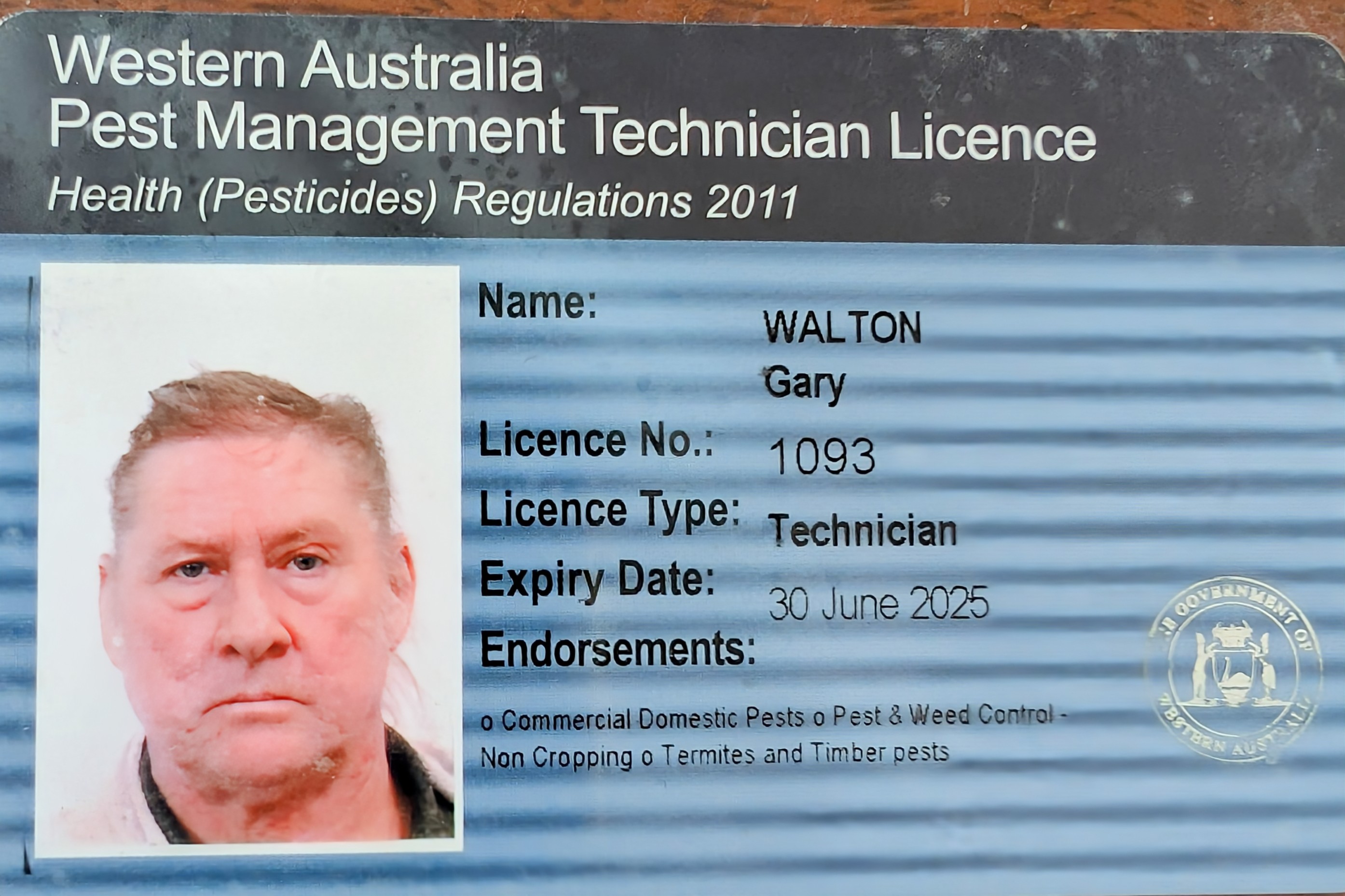
Ask for the provider's pest management licence number and check it against the relevant state or territory licensing register. Licensing requirements differ between jurisdictions, so confirm the class of licence covers the work proposed, general pest management, fumigation or timber pest work are not interchangeable. Ask for a certificate of currency for public liability insurance and confirm the cover is current and adequate for a commercial site.
Read the Scope, Frequency and Response Terms
A tailored plan should name the pests of concern, the inspection frequency, the monitoring devices used and the reporting you will receive. Compare quotes on scope, not headline price: two monthly services can differ enormously in the number of monitoring points, the time spent on site and the report detail. Define response times in writing, for example, attendance within a set number of business hours for a routine sighting versus same-day for a food-safety emergency.
Scrutinise the Guarantee and Contract Terms
Guarantees vary. Some cover a defined period after treatment; others cover only the specific pest treated and only if the client has completed the recommended sanitation and proofing actions.
Ask these questions before committing:
- What is your licence number, and what classes of work does it cover?
- Can you provide a current certificate of public liability insurance?
- Will the plan be tailored to our site, pests and trading hours?
- How many monitoring points are included, and where will they be placed?
- What is the response time for a sighting between scheduled visits, and is it in the agreement?
- What exactly does the guarantee cover, and what voids it?
- What records will we receive after each visit, and in what format?
Watch out: a guarantee that is voided by a single missed cleaning task shifts the risk back to you, so confirm the conditions before you sign.
Our guide on how to choose commercial pest control agreements goes deeper on the clauses worth scrutiny.
Budgeting, Scheduling and Measuring Your Program
Budgeting for commercial pest management is easier when you treat it as a fixed operating cost rather than an emergency expense. Pricing depends on quantity, dates and delivery, so ask for a written quote scoped to your site. Challenge Pest Control offers free quotes and free advice, with 24/7 availability.
What Drives the Cost of a Small-Business Program
The main cost drivers are generally:
- Premises size and layout: a single café kitchen and a multi-room warehouse require different inspection time and device counts.
- Pest pressure and history: a site with recurring rodent activity needs more monitoring and follow-up than a clean office.
- Service frequency: monthly programs cost more per year than quarterly, but catch activity earlier.
- Monitoring points: more bait stations and traps mean more checks and more consumables.
- Treatment type: gel baiting, trapping and proofing carry different labour and material costs; fumigation is a separate, higher-cost service.
- Reporting and compliance needs: audit-ready digital records may be included or charged as an extra.
When comparing quotes, ask each provider to price the same scope: same frequency, same number of monitoring points, same reporting. A lower headline price with fewer devices or shorter visits is not a like-for-like comparison. Budget for a contingency for callbacks and corrective works such as door seals or drain covers, because prevention spending usually costs less than repeated treatment.
Scheduling Around Trading Hours and Business Continuity
Schedule routine visits outside peak trading hours where possible, before opening, after close or on a quiet day, so staff, customers and food preparation are not disrupted. For food businesses, avoid scheduling treatments during prep windows, and confirm re-entry times and any need to cover or remove exposed food. Keep a small buffer of stock so a treatment that requires clearing a storage area does not halt sales.
Measuring Performance with Practical KPIs
Measure the program with numbers you can review monthly:
- Pest sightings per month: logged by staff, by pest and location.
- Repeat activity: whether the same pest recurs at the same monitoring point.
- Time to respond: hours from a reported sighting to technician attendance, against the agreed response time.
- Inspection completion: scheduled inspections completed versus scheduled.
- Corrective-action closure: percentage of recommended actions closed by the due date.
- Follow-up outcomes: whether activity has cleared at the post-treatment inspection.
Falling sightings, clean follow-ups and closed corrective actions mean the program is working. Rising repeat activity at one point usually signals a proofing or sanitation failure that needs fixing, not more spray.
| Program element | Frequency | What to track |
|---|---|---|
| Routine inspection | Monthly or quarterly | Findings and activity levels |
| Monitoring checks | Weekly in-house | Bait station and trap results |
| Follow-up inspection | After treatment | Whether activity has cleared |
| Plan review | Annually | Updated risks and actions |
Watch out: a KPI that is never reviewed is just a record, so set a monthly review point and assign one person to own it.
Book a Free Commercial Pest Inspection
Pest problems rarely fix themselves, and the cost of waiting is almost always higher than the cost of acting.
Call us today on 0422 926 291 to arrange a free commercial pest inspection and build a program that keeps your business audit-ready.
A pest program only earns its keep when it is inspected, recorded and reviewed on schedule. Challenge Pest Control brings guaranteed work, full insurance and round-the-clock availability to every site, backed by free quotes, free advice and pensioner discounts.
Frequently Asked Questions
What does commercial pest management include?
Commercial pest management covers more than a one-off spray. It starts with an inspection to identify pest activity and entry points, then sets out prevention measures such as sanitation, waste management and proofing, plus treatment where needed. A written commercial pest management plan records service frequency, monitoring points, corrective actions and follow-up inspections. The aim is ongoing control rather than reacting to each sighting, which is why programs are usually scheduled across the year.
How often should a business have a commercial pest inspection?
Frequency depends on your industry and risk level. Food businesses, restaurants and warehouses handling stored-product pests usually need inspections monthly or quarterly, while low-risk offices may manage with less frequent visits. High-risk sites should also book an inspection after any pest sighting, renovation or change of neighbour. Ask your provider to set the schedule in your commercial pest management plan and review it annually, or sooner if monitoring shows increased activity.
What records should a business keep for pest management?
Keep inspection reports, treatment records, product labels and safety data sheets, monitoring results, corrective action notes and follow-up inspection outcomes. Pest control records for businesses should also show who attended, what was found and what was done about it. Store them for at least the period your auditor or local council requires, and keep them accessible if a customer or staff member asks. Digital records are easier to search during an audit than a folder of paper sheets.
How should a business choose a commercial pest control provider?
Check licensing, insurance and experience with your type of premises, then ask what a free quote covers and whether inspections, monitoring and follow-up visits are included. Request a written service agreement listing response times, treatment methods and what happens if pests return. A provider that explains prevention as well as treatment, and puts the commercial pest management plan in writing, is usually easier to hold to account.
How do businesses manage pests safely around staff and customers?
Ask your provider how they approach integrated pest management, including sanitation, exclusion, monitoring and the treatment options they use, along with clear instructions on re-entry times and safe application. Schedule work outside trading hours where possible and brief staff on what was applied and when the area can be used. Keep safety data sheets on site and record every treatment so the next technician knows what was used.
What should a business do when it finds signs of pests?
Photograph the evidence, note the location and time, and keep the area undisturbed where practical. Move food, waste and stock away from the site, then contact your provider for an inspection. Do not spray over the evidence before it is identified, because that can hide the extent of the infestation. Record the sighting in your pest control records for businesses, and ask for a follow-up inspection to confirm the corrective action worked.