 blog
7 Steps for Food Safety Pest Audit Preparation: A Practical Checklist
Last Updated: November 8, 2026
Quick Summary
Food safety pest audit preparation follows seven ordered steps: run a pre-audit self-assessment and mock audit, assemble pest control records, track activity with a sighting log template, inspect premises and equipment, confirm inspection frequency and prevention evidence, document corrective actions, and brief staff on audit-day readiness. Most nonconformities come from missing records, not live pests.
- Auditors look for proof of prevention, proof of monitoring and proof of action.
- Gather contractor reports, monitoring maps, sighting logs, training and cleaning schedules into one folder.
- A sighting log entry records date, location, pest type, evidence, action taken and who closed it.
- Tier sites by risk so inspection frequency matches activity, food handling and building condition.
- Assign named audit-day roles: document controller, site escort, procedure explainer and runner.
Table of Contents
- Start With a Food Safety Pest Control Audit Checklist
- Step 1: Run a Pre-Audit Self-Assessment and Mock Audit
- Step 2: Assemble Pest Control Records for Food Businesses
- Step 3: Use a Pest Sighting Log Template to Track Activity
- Step 4: Inspect Premises, Equipment and Food Preparation Areas
- Step 5: Confirm Food Premises Pest Inspection Frequency and Prevention Evidence
- Step 6: Document Corrective Actions and Close Out Findings
- Step 7: Brief Staff on Food Safety Training and Audit-Day Readiness
- Frequently Asked Questions
Start With a Food Safety Pest Control Audit Checklist
A food safety pest control audit is a formal inspection that checks whether your business prevents, monitors and records pest activity to a verifiable standard. A working food safety pest control audit checklist turns that inspection into a series of tasks you can finish before the auditor arrives. Businesses that prepare in order tend to pass more cleanly than businesses that prepare in a panic.
Below, we walk through the seven steps for food safety pest audit preparation in the order they should happen. Skip a step and the later ones weaken.
What Auditors Check During a Pest Control Audit
Auditors look for three things: proof of prevention, proof of monitoring, and proof of action. Prevention means sealed entry points, intact screens and clean storage. Monitoring means bait stations, traps and sighting records that show you are watching. Action means documented corrective steps when something is found. If you need the full commercial requirements laid out in one place, our guide to commercial pest management requirements in Perth covers what auditors expect from food businesses.
Most nonconformities come from missing records, not from live pests. That surprises people. A single unlogged sighting can cost more marks than a clean kitchen with gaps in its paperwork.
Step 1: Run a Pre-Audit Self-Assessment and Mock Audit
Start by auditing yourself the way an auditor would. Walk the site with a clipboard and score each area against the audit checklist. Then run a mock audit with someone who does not work in the area daily; fresh eyes catch what routine hides.
Benchmark your methods against proven practice before you start. Our overview of the best pest control methods for businesses gives you a reference point for what good prevention looks like. Note every gap you find and rank it by risk.
Watch out: treating the mock audit as a formality is the most common mistake. If you score yourself generously, the real auditor will not.
Step 2: Assemble Pest Control Records for Food Businesses
Pest control records for food businesses are the paper trail that proves your program runs continuously. Gather them into one folder, physical or digital, before anything else. Auditors ask for these documents early.
Your folder should hold:
- Current pest control program and service schedule
- Pest control contractor reports and treatment records
- Monitoring device maps and service logs
- Sighting logs and corrective action records
- Staff training records
- Cleaning and sanitation schedules
For a deeper walkthrough on keeping this file inspection-ready at all times, read our guide on how to keep pest control records ready for health inspections.
Pest Evidence and Monitoring Records Auditors Expect
Auditors want to see monitoring records that cover every device, every visit. That means bait station maps with numbered locations, service dates, findings and any refills. Sighting logs must show what was seen, where, when and what you did next. Missing service dates are a red flag; they suggest the program lapsed.
Step 3: Use a Pest Sighting Log Template to Track Activity
A pest sighting log template is a simple form that captures every sighting in a consistent format. Consistency is the point. When every entry follows the same fields, auditors can read your history at a glance.
Use these fields on every entry:
| Field | What to Record | Why It Matters |
|---|---|---|
| Date and time | Exact day and hour | Shows monitoring is current |
| Location | Room, zone or device number | Ties activity to a map point |
| Pest type | Species or description | Guides treatment choice |
| Evidence | Live pest, droppings, damage | Distinguishes sighting from suspicion |
| Action taken | Trap, bait, referral, clean | Proves corrective action |
| Closed by | Name and date | Shows accountability |
Keep the log where staff can reach it during a shift. A log locked in an office gets filled in late, and late entries look invented.
Step 4: Inspect Premises, Equipment and Food Preparation Areas
Walk every food preparation area with a torch and check the places pests actually use. Look behind equipment, under shelving, inside motor housings and along wall-floor junctions. Check door seals, screens and pipe penetrations for gaps.
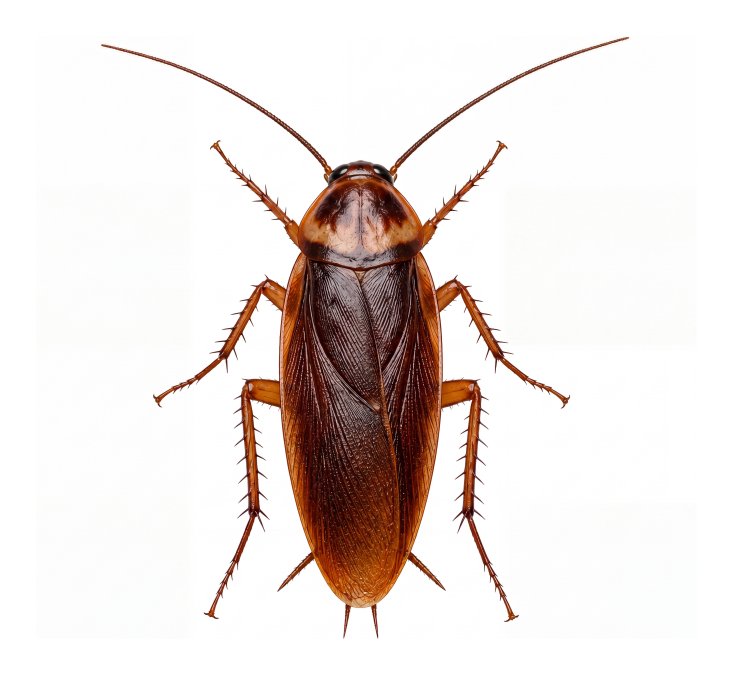
Record what you find against the checklist, with photos. Photos settle arguments later.
Pest-Specific Inspection Points by Area
Different pests favour different zones. Check each area for its own likely problems:
- Dry storage: rodent droppings, gnaw marks, torn packaging, cockroach egg cases in corners
- Preparation benches: cockroach harbourage in seams, fly activity near waste
- Wash-up areas: drain flies, moisture build-up, gaps behind sinks
- Waste storage: fly breeding, rodent burrows, damaged bin lids
- Receiving dock: entry gaps, pallets stored against walls, signs of hitchhiking pests
Step 5: Confirm Food Premises Pest Inspection Frequency and Prevention Evidence
Food premises pest inspection frequency should match your risk level, your pest history and your contractor's recommendations.
A practical way to set frequency is to tier your site by risk rather than applying one schedule everywhere. Consider three tiers:
- High-risk areas: open food preparation, receiving docks, waste rooms and dry bulk storage. These typically warrant the most frequent routine monitoring, with device checks tied to each service visit.
- Medium-risk areas: servery areas, staff amenities, wash-up and general storage. These can often follow a slightly longer cycle provided monitoring devices remain in place and sighting logs are reviewed between visits.
- Low-risk areas: offices, front-of-house and plant rooms. These still need periodic checks, but the interval can be longer if there is no history of activity.
Document the rationale for each tier.
Prevention evidence is the other half of the story. Auditors want to see proof that you closed entry points, sealed containers, covered food and rotated stock using FIFO. Build a prevention evidence file that sits alongside your monitoring records and contains:
- Exclusion records: dated entries for door seal replacements, screen repairs, pipe penetration sealing and gap closure, with before-and-after photos where possible.
- Sanitation records: cleaning schedules and sign-offs for drains, waste areas, behind equipment and under shelving, showing the frequency actually achieved rather than the frequency planned.
- Storage and stock records: evidence of sealed containers, off-floor storage, FIFO rotation and date-code checks.
- Monitoring maps: numbered device locations that match the physical site, updated whenever layout changes.
- Trend summaries: a simple monthly or quarterly count of sightings, device hits and corrective actions, so the auditor can see whether activity is rising, falling or stable.
This is where integrated pest management becomes auditable. Exclusion, sanitation, monitoring and targeted treatment should each leave a record that points to the others.
Watch out: promising a frequency in the contract and then missing service dates is worse than a lower frequency delivered consistently, because the gap itself becomes the nonconformity.
If you are reviewing your current arrangement, our guide on how to choose commercial pest control agreements explains what a service contract should actually deliver.
Step 6: Document Corrective Actions and Close Out Findings
Every finding needs a corrective action record, and every record needs a close-out date. The format matters less than the loop: find it, fix it, record it, verify it.
A corrective action record should state:
- What the finding was and where
- The risk it posed
- The action taken
- Who completed it and when
- How you verified the fix worked
Watch out: closing a finding in the log without a verification step is a common gap. Auditors often ask how you confirmed the problem was resolved, and "we treated it" is not an answer they accept.
Step 7: Brief Staff on Food Safety Training and Audit-Day Readiness
Staff readiness decides how audit day runs. Brief every food handler on the sighting log, the reporting chain and where records live. Confirm training records are current and signed.
Most audit-day problems are not knowledge problems; they are retrieval and communication problems. Someone cannot find the monitoring map, or two staff give different answers about who logs a sighting. Assign named roles in advance and rehearse them in the mock audit from Step 1:
- Document controller: owns the audit folder, knows the index, and retrieves records on request. This person should be able to produce the pest control program, contractor reports, monitoring maps, sighting logs, corrective action records, training records and cleaning schedules within minutes.
- Site escort: walks the route with the auditor, carries the checklist and a torch, and can point to device numbers on the monitoring map as they are passed. The escort should know the building's pest history and the reasons behind current control measures.
- Procedure explainer: explains how staff report sightings, how corrective actions are raised and closed, and how the contractor is supervised. This is usually the site supervisor or food safety lead.
- Runner and operations lead: keeps service running, fetches anything the document controller needs, and manages staff who are not part of the audit.
Brief every food handler on three things: where the sighting log lives, who to tell when they see something, and what to say if an auditor asks them a question. Keep answers short and factual. If you do not know something, say you will confirm it, then confirm it and record the confirmation.
Prepare an audit-day pack the day before: the indexed folder, a printed site map with device numbers, the current contractor contact, and a blank corrective action form.
Watch out: letting staff improvise answers to auditor questions is the fastest way to create a contradiction between what is said and what is recorded, and auditors notice contradictions.
For a restaurant-focused walkthrough to reinforce this briefing, see our practical pest control guide for restaurants.
Frequently Asked Questions
What do auditors check during a food safety pest control audit?
Auditors look at three things: evidence of pest activity, the records that prove you monitor and respond to it, and the condition of the premises. That means checking for droppings, gnaw marks, insect casings and live pests in food preparation areas, storage rooms and waste zones. They also review your pest control program, monitoring records, sighting logs and corrective actions, plus staff food safety training records. A clean site with no paperwork still fails; so does perfect paperwork on a site with active pests.
How often should pest control inspections be carried out in a food business?
Food premises pest inspection frequency depends on risk. Between professional visits, your own staff should check key areas regularly and log anything they find. The schedule needs to match what actually happens on site when the auditor compares dates.
What should a pest sighting log template include?
A useful pest sighting log template captures the date and time, the exact location, what was seen or found, who reported it, the action taken, who completed the action and the date it was verified as resolved. Add a photo field where possible. The point is traceability: an auditor should be able to follow one sighting from report to corrective action to sign-off without asking you questions. Paper or digital both work, as long as it is completed consistently and kept on site.
How do food businesses document pest sightings and corrective actions?
Record the sighting immediately in your pest sighting log, then raise a corrective action that names the cause, the fix and the person responsible. For example, rodent droppings behind a dry store shelf should trigger a clean-down, a check of sealed containers and stock rotation, and a review of entry points. Your pest control provider then inspects, treats and confirms the issue is closed. Keep the pest control records for food businesses together so the auditor sees the full chain from finding to verification.