 listicle
Effective Pest Control for Perth Restaurants: 7 Steps
Table of Contents
- Why Restaurants Need a Commercial Pest Control Program
- Step 1: Schedule a Professional Pest Inspection and Risk Assessment
- Step 2: Identify Common Restaurant Pests and Their Entry Points
- Step 3: Build Your HACCP Pest Management Plan Template
- Step 4: Implement an Integrated Pest Management Strategy
- Step 5: Use This Restaurant Pest Prevention Checklist Daily
- Step 6: Train Staff on Pest Prevention Protocols
- Step 7: Stay Compliant with Commercial Pest Control Compliance WA
- Frequently Asked Questions
Last Updated: September 23, 2026
Why Restaurants Need a Commercial Pest Control Program
A single cockroach on a prep bench can shut a kitchen down. For venues across the Perth metropolitan area, effective pest control for Perth restaurants is not optional maintenance, it is a licensing requirement. The City of Perth and WA Health both treat pest activity as a public health offence, and a failed health department audit can cost you trading days, fines, and the reputation you spent years building.
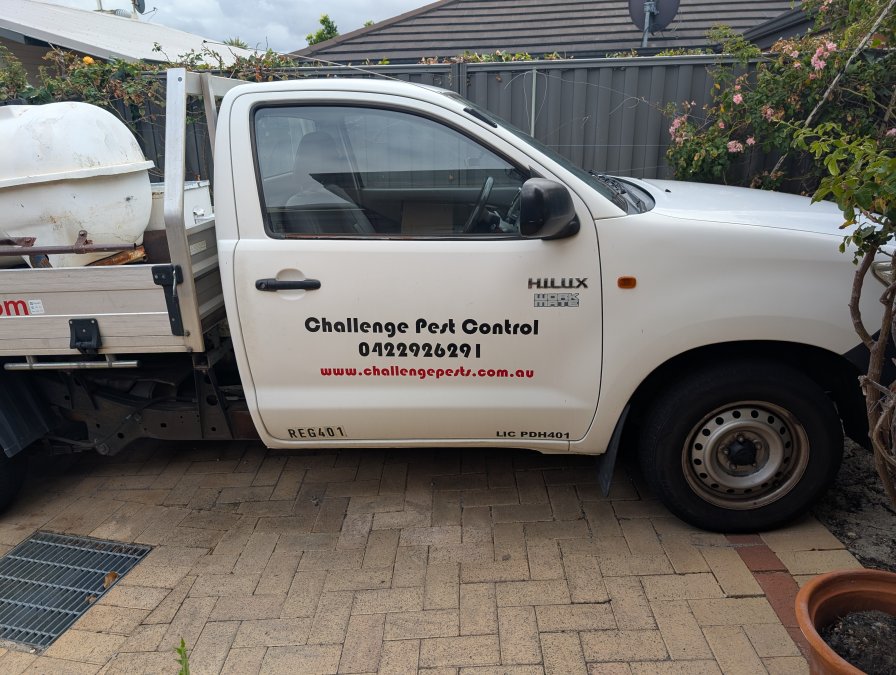
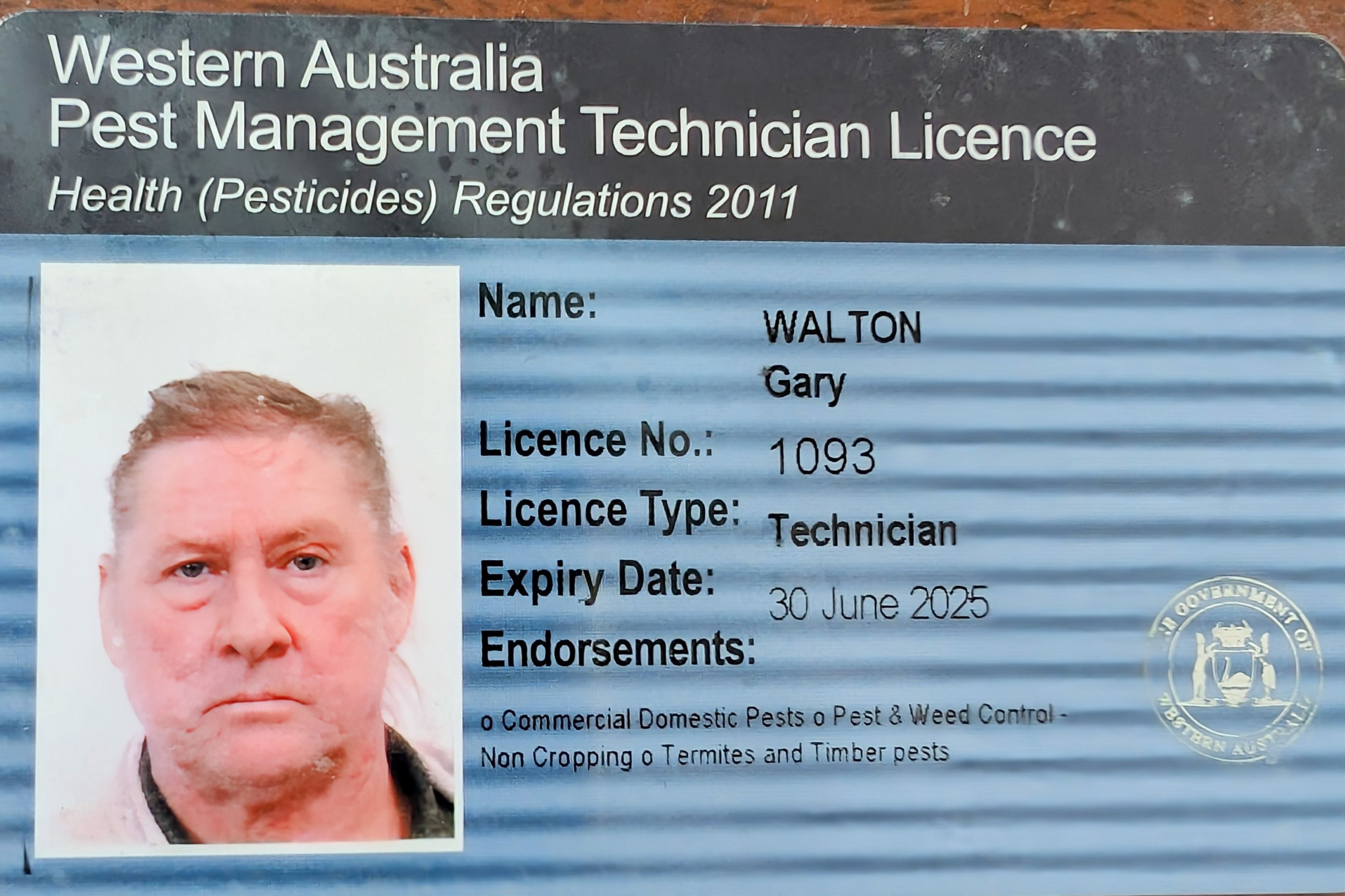
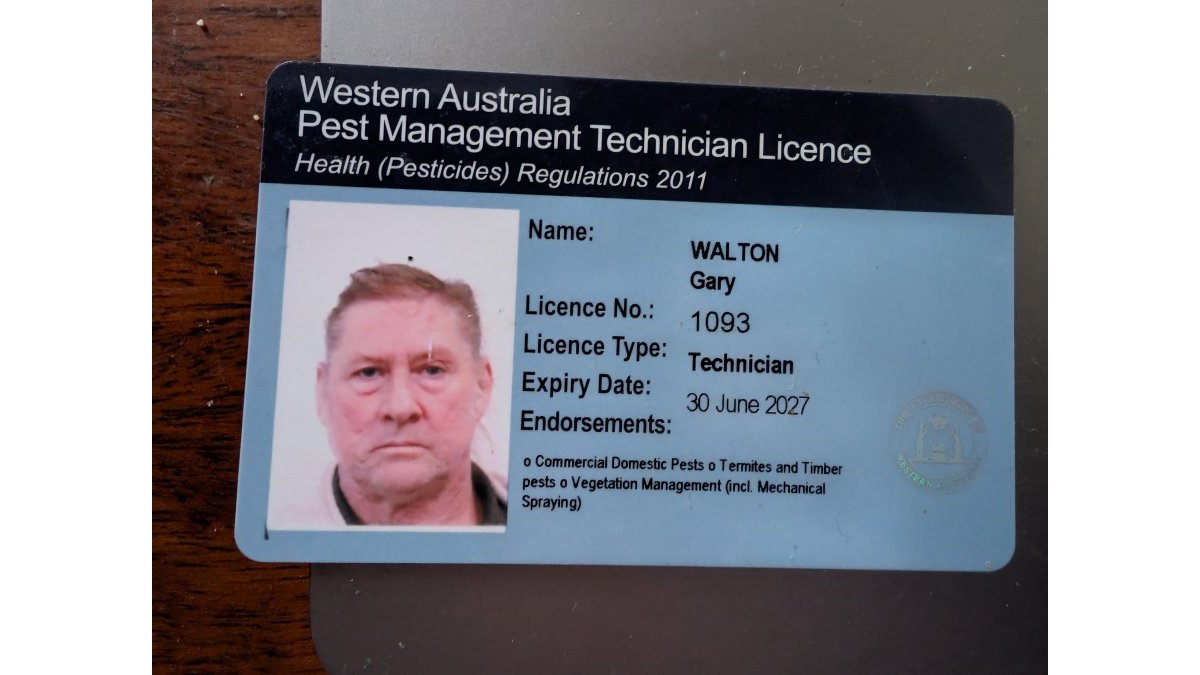
Challenge Pest Control has worked with commercial kitchens since 1987, and the pattern is always the same: the restaurants that stay clean are the ones running a documented program, not the ones calling someone after they spot a rodent. Below, we break down the seven steps that keep your kitchen compliant, your diners safe, and your name off the health infringement list. The first three steps take a single afternoon to set up.
Step 1: Schedule a Professional Pest Inspection and Risk Assessment
Book a licensed technician to walk your entire premises before you treat anything. A proper inspection maps where pests are getting in, what is attracting them, and which areas need monitoring stations first.
The technician should check behind stainless steel equipment, inside wall cavities, under dishwashers, in dry stores, and along every service penetration. You should receive a written report listing active activity, harbourage points, and recommended treatment.
Step 2: Identify Common Restaurant Pests and Their Entry Points
Cockroaches, rodents, and ants cause almost every commercial kitchen infestation. German cockroaches hide in warm motor housings and wall voids. Rats and mice enter through gaps as small as a coin. Ants trail along bench edges toward sugar and grease.
- Gaps around drainage pipes and grease traps
- Damaged door seals and fly screens
- Unscreened windows and roof vents
- Deliveries arriving in cardboard, which harbours cockroach eggs
- Shared walls with neighbouring tenancies
Step 3: Build Your HACCP Pest Management Plan Template
- Hazard analysis, identify where pests could contaminate food, surfaces, or packaging. Grease traps, dry stores, bin rooms, and delivery bays are the usual high-risk zones.
- Critical control points, the physical checkpoints where you can prevent, eliminate, or reduce the pest hazard. Monitoring stations, door seals, and screened vents are typical CCPs.
- Critical limits, the measurable threshold that tells you the CCP is under control. For example, zero rodent droppings in a dry store, or no live activity in any monitoring station.
- Monitoring, who checks what, how often, and where it is recorded. This is where your weekly and monthly inspection schedule lives.
- Corrective actions, the documented step taken when a critical limit is breached. If a station catches a cockroach, the corrective action is not 'spray and hope'; it is isolate the area, treat, re-monitor, and record the outcome.
- Verification, the periodic review that proves the plan still works. An annual risk assessment refresh, plus a review after any infestation, satisfies this.
- Record-keeping, every log, report, and sign-off retained and retrievable.
Your plan should include:
- A site map marking all monitoring stations, bait points, and CCPs
- A schedule for internal inspections, weekly and monthly
- Pest activity logs recording sightings, catches, and treatments
- Corrective action records for every incident, with the date and the person responsible
- Contact details for your licensed pest control provider
- A verification page showing when the plan was last reviewed
Step 4: Implement an Integrated Pest Management Strategy
Integrated pest management combines sanitation, exclusion, monitoring, and targeted treatment rather than blanket spraying. It reduces chemical use, protects food-grade treatment areas, and delivers longer-lasting results.
Step 5: Use This Restaurant Pest Prevention Checklist Daily
A restaurant pest prevention checklist turns pest control into a routine your team can actually follow. Print it, laminate it, and sign it off at close every night.
- All food stored in sealed containers, nothing left on benches
- Grease traps emptied and cleaned
- Rubbish bins sealed and removed from the kitchen
- Floors swept, mopped, and dried
- Dishwasher and equipment pulled out and checked
- Delivery cardboard removed from the premises
- Door seals and screens inspected for damage
- Any pest sightings logged in the activity register
Step 6: Train Staff on Pest Prevention Protocols
Your kitchen hands and front-of-house team are your first line of defence. Staff who know what to look for report problems early, before an infestation takes hold.
Step 7: Stay Compliant with Commercial Pest Control Compliance WA
Commercial pest control compliance WA means meeting the documentation, treatment, and reporting standards set by WA Health and your local council under the Food Act 2008 and the Australia New Zealand Food Standards Code. Non-compliance risks fines, closure notices, and food contamination liability, but the venues that get caught are rarely the ones with a pest problem. They are the ones who cannot prove they were managing it.
The requirements that catch most venues out:
| Requirement | What It Involves | Frequency |
|---|---|---|
| Licensed technician | Treatments performed by a licensed pest control operator | Every service |
| Monitoring records | Dated logs of stations and activity | Ongoing |
| Treatment reports | Written reports after each service | Every visit |
| Corrective actions | Documented response to any activity found | As needed |
| Annual review | Updated risk assessment and plan | Yearly |
| Staff training records | Evidence of induction and refresher sessions | Every six months |
What an Auditor Actually Asks For
When a health inspector or council environmental health officer arrives, the conversation follows a predictable path. They want to see the current pest management plan, the last treatment report, the monitoring log for the period since the last service, and evidence that any activity found was acted on. If a sighting was logged and no corrective action follows, that gap is treated as a failure of the system, not a one-off.
Pest-Proofing New Fit-Outs Before You Open
Most pest control advice is reactive. The cheaper and more effective approach is to build pest-proofing into the design stage of a new fit-out or renovation. Before the kitchen is signed off, specify:
- Sealed service penetrations where pipes, conduits, and drainage enter walls and floors
- Closed cabinetry with kickboards that lift off for inspection, rather than fixed plinths that hide harbourage
- Door seals and self-closing mechanisms on all external doors, including delivery entrances
- Screened windows, roof vents, and exhaust openings
- A designated, sealed bin room located away from food prep and dry storage
- Drainage with removable grates so grease traps can be cleaned without leaving gaps
Seasonal Pest Pressure in the Local Climate
For new fit-outs, build pest-proofing into the design stage. Seal penetrations, specify closed cabinetry, and install screens before you open. It costs far less than retrofitting a working kitchen.
Frequently Asked Questions
How often should I schedule professional pest control for my restaurant?
Most restaurants need monthly professional pest control services to maintain HACCP compliance and prevent infestations. High-risk areas like commercial kitchens may require fortnightly visits. Between professional treatments, your staff should conduct daily inspections using a restaurant pest prevention checklist to catch early signs of cockroaches, rodents, or ants. Regular monitoring stations and pest activity logs help your technician track trends and adjust the treatment plan.
What are the legal requirements for pest control in food businesses?
Food businesses must comply with Food Standards Australia New Zealand (FSANZ) Code and local council health regulations. This includes maintaining a HACCP-based food safety program with documented pest management procedures, keeping pest activity logs, and ensuring regular inspections by licensed technicians. Commercial pest control compliance WA also requires proof of treatments and corrective actions if pests are found during a health department audit.
What should be included in a HACCP pest management plan template?
A HACCP pest management plan template should include: a site map marking monitoring stations and entry points, a list of target pests (cockroaches, rodents, ants), scheduled inspection frequencies, treatment methods (food-grade treatments, non-toxic solutions where possible), staff training records, and a pest activity log. It must also outline corrective actions, documentation for health audits, and roles for your pest control provider and staff.
Are eco-friendly pest control options effective for restaurants?
Yes, eco-conscious methods can be highly effective when applied by licensed technicians. Options include non-toxic solutions, food-grade treatments, and integrated pest management strategies that focus on exclusion and sanitation. These methods are safe for kitchens and sensitive environments. Your provider should tailor the approach to your restaurant's specific pests and compliance needs, ensuring no compromise on pest eradication.
What are the most common pests found in commercial kitchens?
Cockroaches, rodents (rats and mice), and ants are the most common. Cockroaches thrive in warm, moist areas near dishwashers and drains. Rodents enter through gaps and seek food waste. Ants follow pheromone trails to sugary or protein spills. Regular pest inspection, sealing entry points, and commercial sanitation are critical. A restaurant pest prevention checklist helps staff spot early signs like droppings, grease marks, or live insects.