 blog
How to Choose Pest Control with Real Termite and Rodent Expertise
Last Updated: November 12, 2026
Quick Summary
Choose pest control with real termite and rodent expertise by verifying a current licence, a documented inspection process, and a written guarantee that names the species covered. The provider must match treatment to the identified species, not a pest category, and include a follow-up inspection to confirm elimination.
- Check the licence number against the relevant state health or environmental regulator's public register.
- A proper termite inspection covers the subfloor, roof void, fence lines, timber retaining walls and moisture-prone areas.
- Rodents need entry points sealed as well as baits placed along their actual runs.
- A guarantee should state the species covered, cover period, return-visit mechanics, and exclusions in writing.
- Ask what product is applied, where, and how long to keep children and pets away from treated areas.
Table of Contents
- Why Diverse Pest Expertise Decides Whether Elimination Works
- How to Choose a Pest Control Company on Evidence, Not Adverts
- Termite Inspection and Treatment: What Genuine Expertise Looks Like
- Rodents, Cockroaches, Ants and Spiders: Matching Method to Species
- What a Pest Control Treatment Guarantee Should Actually Cover
- Your Pest Control Service Checklist Before You Book
- Safe Treatment Around Children, Pets and Staff
- Book a Free Quote and Advice Session
- Frequently Asked Questions
Why Diverse Pest Expertise Decides Whether Elimination Works
Pest control fails for one reason more often than any other: the treatment was matched to a category, not a species. A general spray applied to a termite gallery does nothing except disturb the colony. Rodent bait placed where rats never travel changes nothing.
Properties with several pest issues at once, which is most of them, need a provider whose expertise spans termites, rodents and insects rather than one who specialises in a single pest and subcontracts the rest.
Below, we break down how to test that expertise before you pay anyone, what a genuine termite inspection involves, and what a guarantee should actually promise. The checklist we use is included so you can run it against any provider, including us.
How to Choose a Pest Control Company on Evidence, Not Adverts
Choosing a pest control company comes down to three verifiable things: a current licence, a documented inspection process, and a guarantee with written terms. Everything else, including the size of the advert, tells you nothing about whether the treatment will work.
Our practical guide to vetting providers, how to choose local pest control, walks through the full process in more detail. Here is the short version.
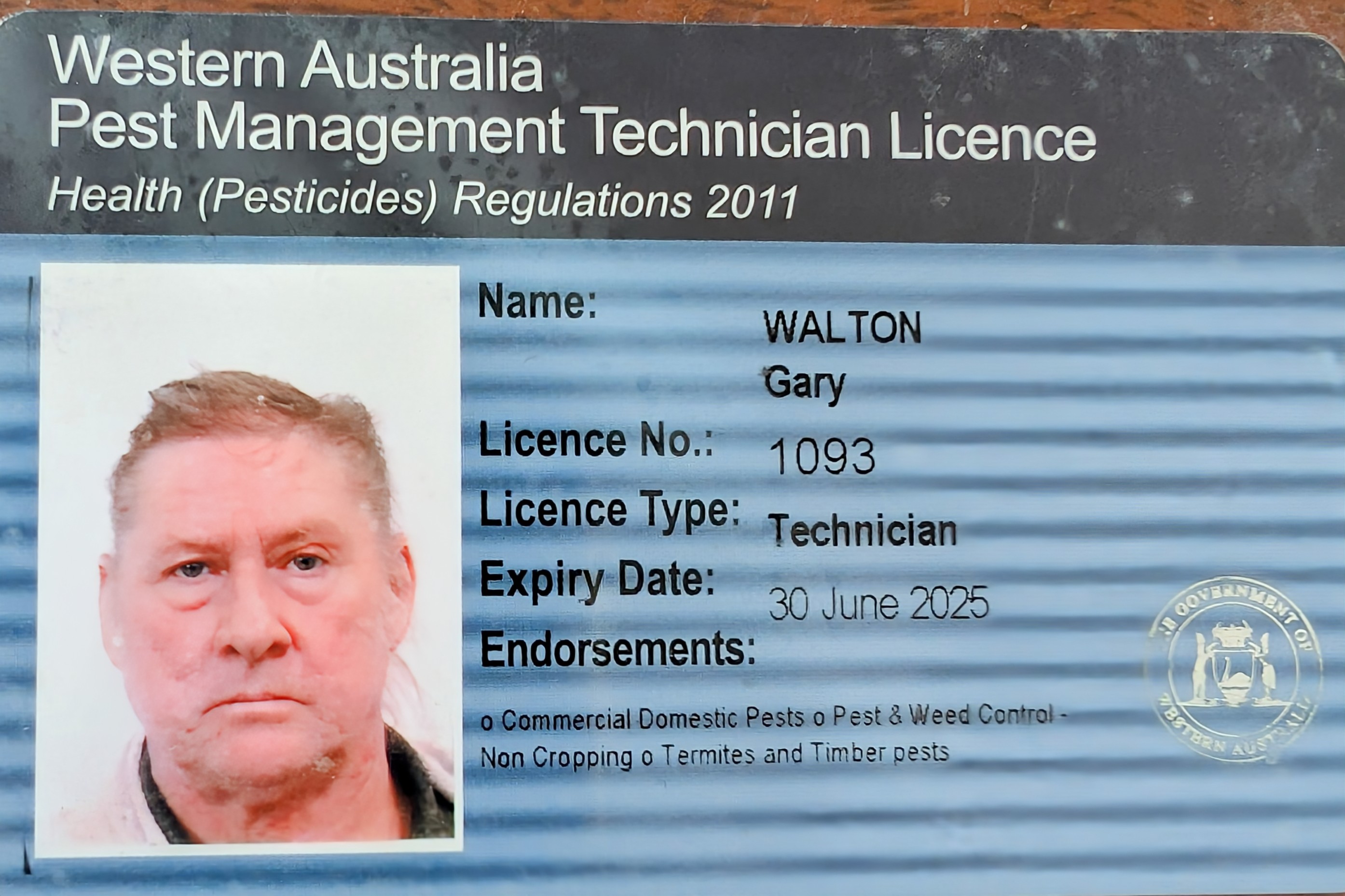
Credentials and Licensing Worth Checking
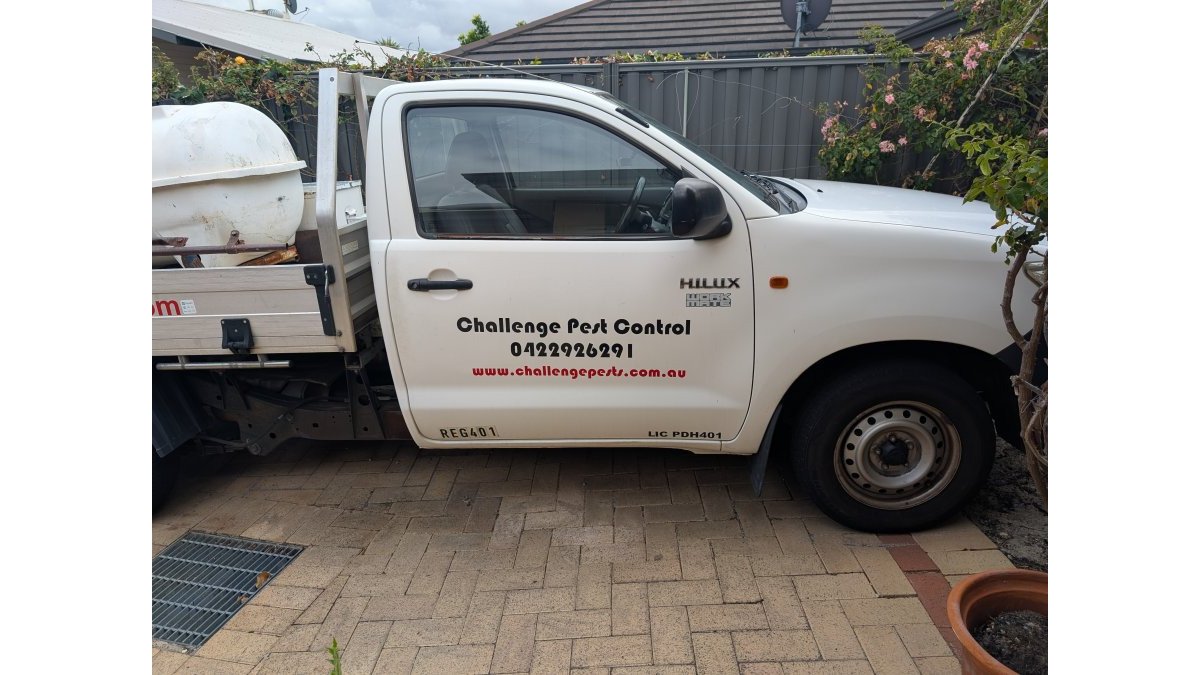
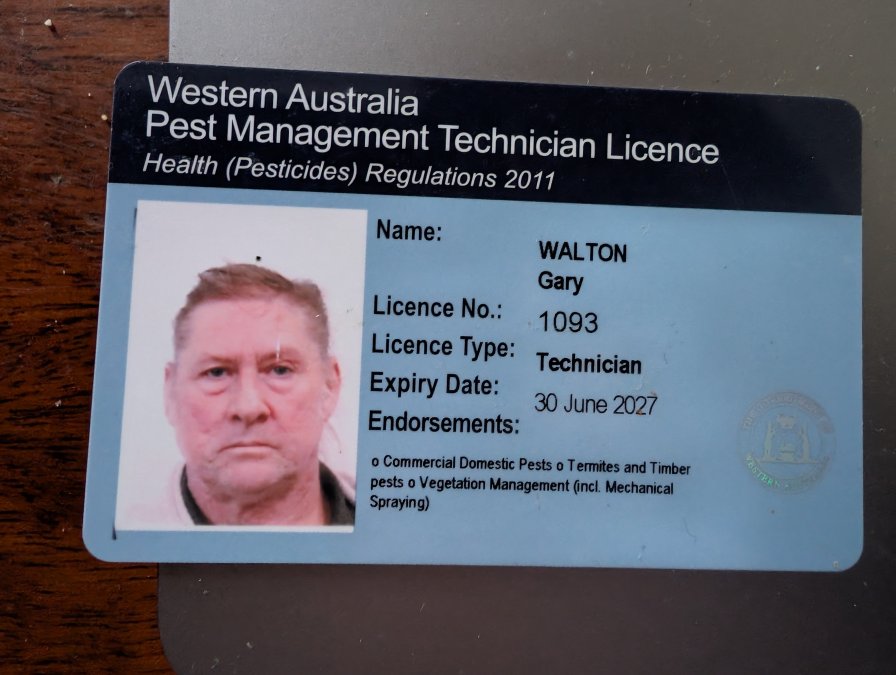
Ask for the licence number and check it against the relevant state health or environmental regulator's public register. Challenge Pest Control holds Public Health Licence 401 and is fully insured.
Questions That Separate Specialists from Generalists
A specialist answers these in specifics. A generalist deflects.
- Which termite species are active in this area, and which treatment suits each?
- What product is being applied, at what rate, and what is the re-entry period?
- Who performs the inspection, and what qualifications do they hold?
- What exactly does the guarantee cover, and what voids it?
If the answers are vague, walk away.
Termite Inspection and Treatment: What Genuine Expertise Looks Like
Termite control is where cutting corners costs the most. Damage typically builds silently behind plaster and skirting until it is expensive. Our step-by-step method for inspecting your home for termites shows what a thorough inspection involves, so you can judge whether the one you are paying for measures up.
Rodents, Cockroaches, Ants and Spiders: Matching Method to Species
Effective pest elimination starts with pest identification, because each species needs a different approach. Here is how the main pest groups differ, and what to ask about each.
Termites: Inspection-Led, Follow-Up Dependent
Termite work is inspection-led. A proper inspection covers the subfloor, roof void, fence lines, timber retaining walls and moisture-prone areas, with findings recorded so treatment can be targeted. Treatment then splits into baiting, chemical barriers and physical measures, chosen on the evidence of species and activity rather than habit. Follow-up is not optional: a baiting program needs monitoring visits to confirm the colony has collapsed, and a barrier needs checking for disturbance. A provider who treats termites like ants has not inspected properly.
Rodents: Proofing Plus Baiting, Not Baiting Alone
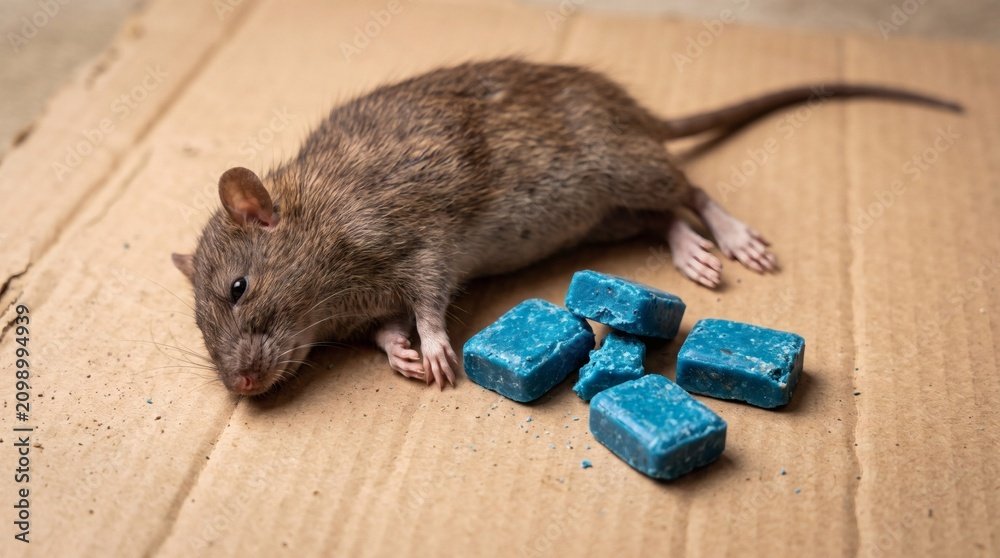
Rats and mice need entry points sealed as well as baits placed along their actual runs. The inspection step is finding those entry points, from weep holes to roof flashing, and the treatment plan should say which ones will be proofed and which will be monitored. Follow-up matters because bait uptake tells you whether the population is declining; a single visit with no check-back is a guess. Our guide to identifying rodent entry points in brick homes covers where to look and why proofing matters as much as baiting.
Cockroaches and Ants: Harbourage and Nest, Not Surface
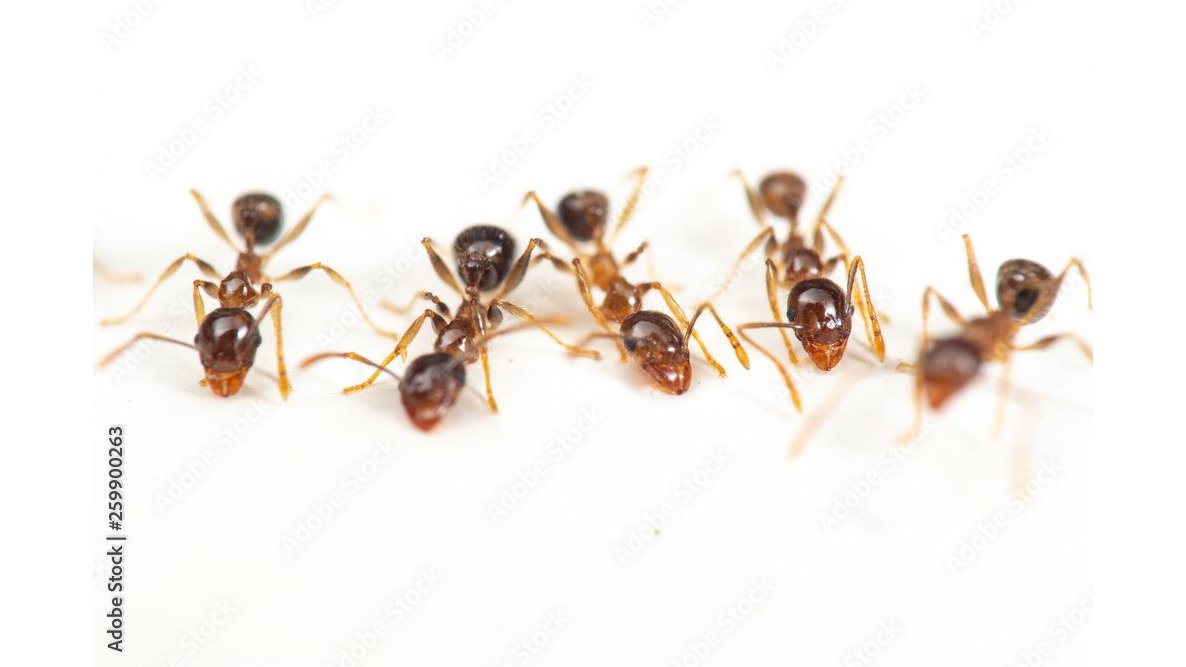
Cockroaches need gel baiting in harbourage areas, not surface spraying, because the spray kills what is visible and leaves the population behind the kickboards. Ants need the nest located, since treating the trail alone brings them back within days. For both, the inspection step is locating harbourage and the nest, and the follow-up step is confirming activity has stopped rather than assuming it has.
Spiders: Web and Harbourage Removal
Spiders need web and harbourage removal alongside treatment, because the webs are the evidence of where the spiders are living. External treatment around eaves, fences and storage areas is common, and follow-up is usually a visual check rather than a baiting program.
What to Ask a Provider, Pest by Pest
- Which species did you identify, and how?
- What is the treatment method for that species, and why?
- What proofing or harbourage work is included?
- When is the follow-up, and what does it check?
What a Pest Control Treatment Guarantee Should Actually Cover
A pest control treatment guarantee should state, in writing, the pest species covered, the period of cover, what happens if the pests return, and what voids the guarantee. If any of those four elements is missing, the guarantee is marketing, not protection. Most ranking service pages stop at that sentence. The useful question is what sits behind it, because two providers can both advertise "guaranteed elimination" and mean very different things.
The Four Terms That Decide Whether a Guarantee Is Worth Anything
Species scope. A guarantee that names "general pests" is close to unenforceable. Termite warranties in particular are usually separate from general pest cover, because termite risk depends on construction, drainage and landscaping that a general treatment cannot control.
Cover period. General pest treatments commonly carry a defined window, often expressed in months, during which a return visit is included. Termite cover is typically structured differently, sometimes as an annual inspection obligation rather than a re-treatment promise.
Return-visit mechanics. A solid guarantee says who you call, how quickly they attend, and whether the return visit is free or charged at a call-out rate. It should also say whether the return visit is a re-treatment or an inspection first.
Exclusions and void conditions. Reasonable exclusions include new infestations from a neighbouring property, damage caused by renovation or landscaping after treatment, and failure to follow prep or re-entry instructions.
How to Compare Guarantees Side by Side
Ask each provider for the guarantee document, not a verbal summary, and read it against these points:
| What to check | Why it matters |
|---|---|
| Named species and whether termites are separate | Determines whether the cover matches the pests on your property |
| Cover period and start date | Prevents disputes about whether a return visit is still included |
| Free re-treatment versus paid call-out | The difference between a guarantee and a discount |
| Follow-up inspection included or optional | Confirms the colony or infestation is actually gone, not just quiet |
| Written exclusions | Shows whether the guarantee is designed to be honoured or avoided |
| Transferability on sale of the property | Relevant for termite cover and for vendors |
Watch out: a guarantee that requires you to book and pay for the follow-up inspection yourself shifts the cost of proving elimination back onto you, which is the opposite of what a guarantee should do.
All work we carry out at Challenge Pest Control is guaranteed. health department guidance on pest control licensing and consumer protections is worth reading so you know what a provider is obliged to disclose, and your state consumer affairs body can advise if a guarantee term looks unfair.
Your Pest Control Service Checklist Before You Book
Run this checklist before you commit to any provider. It takes ten minutes and prevents most bad outcomes.
- Licence number provided and verified on the regulator's register
- Insurance confirmed in writing
- Inspection scope explained before the visit
- Species identified and named in the quote
- Treatment method and products specified
- Re-entry period and safety instructions given
- Guarantee terms supplied in writing
- Follow-up inspection included
- Quote is itemised, with no call-out fee surprises
A common mistake is booking on price alone. The cheapest quote usually reflects a shorter inspection and a narrower treatment, which is exactly how pests return.
Safe Treatment Around Children, Pets and Staff
Safe treatment depends on the product, the application method, and the instructions given afterwards, not on a vague claim of being "eco-friendly". Ask what is being applied, where, and how long to keep children and pets away from treated areas.
We give every client written re-entry instructions, and we choose products and methods suited to households with kids and animals. Our guide on whether pest control chemicals are safe for pets covers the practical questions in full, including what to do with food bowls and bedding before a visit.
Book a Free Quote and Advice Session
Challenge Pest Control offers free quotes and free advice.
If you are unsure whether quotes cost anything, our explainer on whether pest control companies charge for quotes sets out what to expect. We also offer pensioner discounts, and we are available 24 hours a day, seven days a week.
The real test of a pest control provider is whether they can explain what they found and why their method will work. Ask for the licence, the species, the product and the guarantee terms in writing. If any of those is missing, keep looking.
Challenge Pest Control has been operating since 1987, with Public Health Licence 401, full insurance, 24/7 availability, all work guaranteed, free quotes and advice, and pensioner discounts. Get started with Challenge Pest Control and book a free quote today by calling 0422 926 291.
Frequently Asked Questions
Can one pest control service treat termites, rodents and insects?
Yes, provided the provider holds the right licences and experience across each pest group. Termite work requires specific training and, in many states, a dedicated timber pest licence, while rodent and insect programs use different baits, traps and residual products. Ask for evidence of termite-specific qualifications, not just a general pest licence. A provider that handles all three should also explain how it prevents cross-contamination between rodent baiting and insect spraying, and give you a written treatment plan per pest species.
What should a pest control treatment guarantee cover?
A useful pest control treatment guarantee should name the pest species covered, the period of cover, what triggers a free re-treatment, and any conditions you must meet, such as not disturbing bait stations or clearing harbourage. Ask whether the guarantee covers the whole property or only treated areas, and whether it transfers if you sell. Get it in writing before work starts. Verbal assurances are hard to enforce, so compare the wording of guarantees as carefully as you compare quotes.
How do I choose a reliable pest control company?
Start with licensing and insurance, then ask how the company identifies pests before treating. A reliable provider inspects first, explains the level of infestation, and gives a written treatment plan with follow-up visits scheduled. Check whether quotes are free, whether after-hours service is available, and whether the business has a physical local presence. Read reviews for complaints about pests returning and how the company responded. Finally, confirm the guarantee terms in writing and keep your inspection report on file.
How long does professional pest control take to work?
Timing depends on the pest and method. Cockroach and ant treatments often show clear reduction within days, with full control after follow-up. Rodent baiting typically takes one to three weeks as rodents return to bait stations. Termite treatments work differently: a chemical barrier or baiting system is designed to protect the structure over months and years, so effectiveness is measured through ongoing inspections rather than immediate knockdown. Ask your technician what to expect for your specific pest species and what signs would mean a follow-up is needed.