 ultimate-guide
Commercial Pest Management Requirements Perth Guide
Table of Contents
- What Commercial Pest Management Requirements Apply to Perth Businesses
- Pest Control Licensing Requirements WA: What Your Provider Must Hold
- Commercial Pest Control Compliance Checklist for Site Inspections
- Pest Control Service Frequency for Restaurants and Food Businesses
- Tailored Pest Control Plans for Different Industries
- Digital Record-Keeping and Auditable Documentation
- Preventative vs Reactive Pest Management: Cost and Compliance
- Choosing a Qualified Pest Management Provider
- Frequently Asked Questions
Last Updated: September 20, 2026
What Commercial Pest Management Requirements Apply to Perth Businesses
Commercial pest management requirements in Perth are the legal, licensing, and documentation obligations that apply to any business handling, storing, or serving food, or operating a commercial premises where pests could affect public health. At Challenge Pest Control, we've worked with commercial clients across the metro area since 1987. The single biggest mistake we see is businesses treating pest control as a one-off job rather than an ongoing compliance system.
Legal Framework and Regulators
Pest management in this state is governed by a combination of public health legislation, local government health bylaws, and the licensing regime administered through the Department of Health. Environmental health officers from your local council conduct routine inspections of food premises, and they can issue improvement notices or fines where pest activity or evidence of infestation is found.
Why Compliance Protects Your Business
The commercial case for getting this right goes well beyond avoiding a fine. A pest infestation discovered during a council inspection can trigger an improvement notice, a temporary closure order, or in serious cases, prosecution. For food businesses, the reputational damage of a public closure notice is often worse than the penalty itself.
Pest Control Licensing Requirements WA: What Your Provider Must Hold
Any business or individual applying pesticides for hire in Western Australia must hold a current pest management technician's licence issued through the Department of Health. This is not optional, and it is not the same as a general business registration.
Technician Qualifications and Public Health Registration
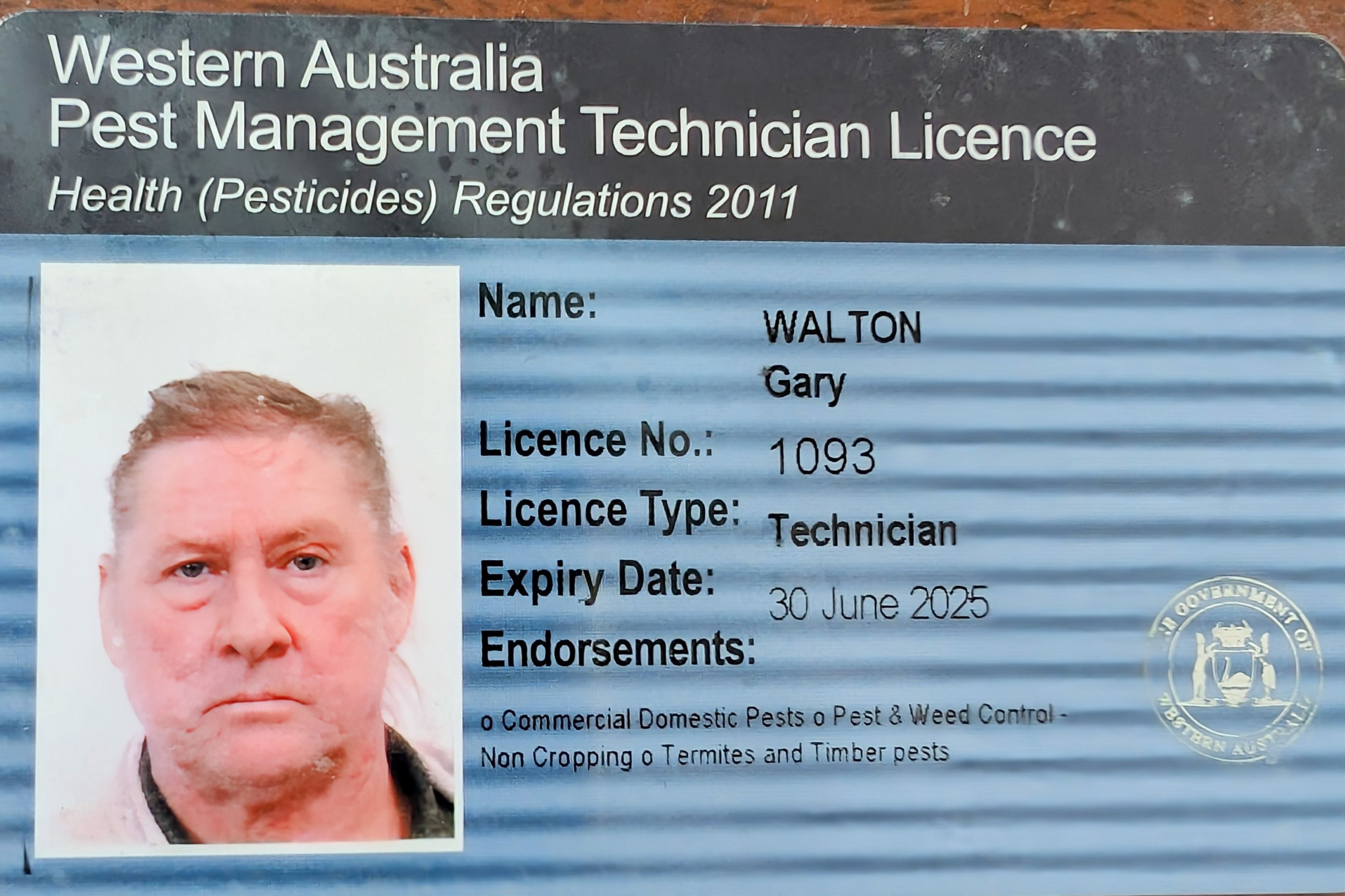
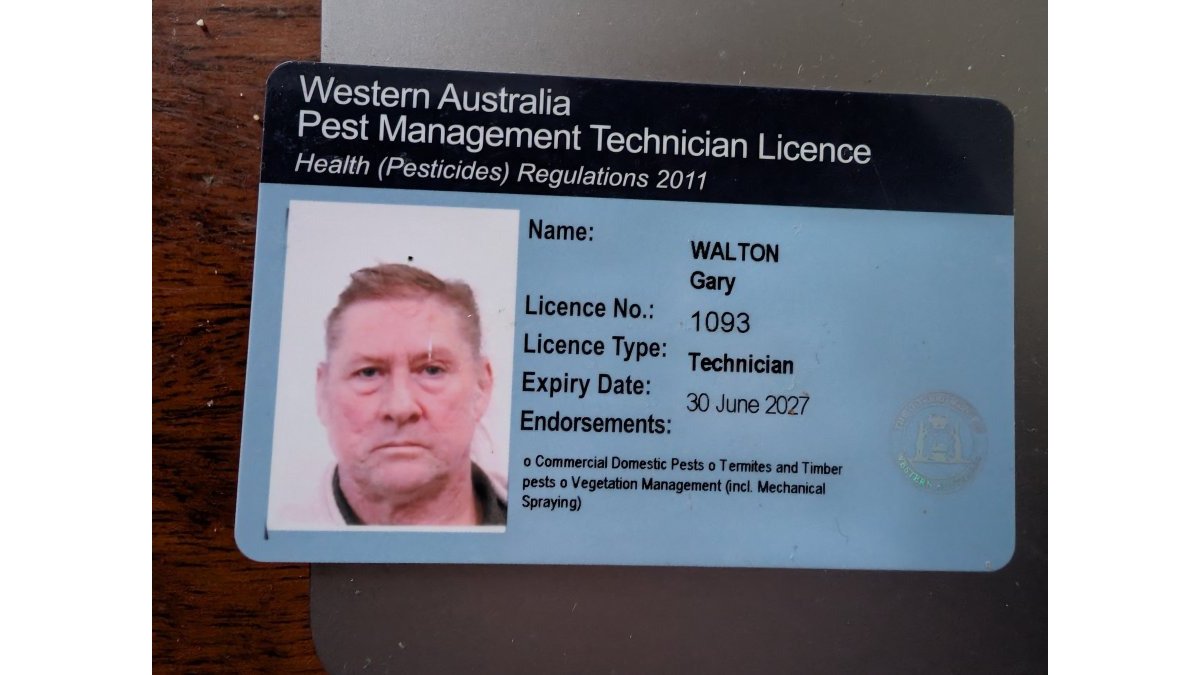
A licenced technician should be able to produce their licence on request, and you should actually ask to see it. The licence will show the technician's name, licence number, expiry date, and the categories they're authorised to treat.
How to Verify a Provider's Credentials
Verification takes about five minutes and protects you from a real liability. Use this checklist before signing anything:
- Request the pest management technician's licence number and check the expiry date
- Confirm the licence covers the pest categories relevant to your site
- Ask for a certificate of currency for public liability insurance
- Confirm the business holds current registration for commercial pesticide application
- Ask whether they provide documented treatment reports suitable for audit
- Check they can supply a treatment schedule tailored to your industry, not a generic template
Commercial Pest Control Compliance Checklist for Site Inspections
A commercial site inspection is a structured assessment of your premises to identify pest activity, entry points, harbourage areas, and conditions that support infestation. It should produce a written report you can keep on file, not just a verbal summary.
What a Commercial Site Inspection Covers
A thorough inspection examines the areas pests actually use, not just the visible floor space. That means behind and beneath equipment, inside wall cavities where accessible, roof voids, subfloor areas, grease traps, waste storage zones, and loading docks. Entry points are mapped, and any existing activity is documented with location and severity.
Operational Risk Assessment and Reporting
An operational risk assessment connects pest activity to your specific business operations. A restaurant with a loading dock facing an alley has different risk exposure to a warehouse storing packaged goods on pallets. The assessment should identify which areas of your operation carry the highest risk and prioritise treatment accordingly.
Pest Control Service Frequency for Restaurants and Food Businesses
Restaurants and food businesses typically require monthly pest control servicing as a baseline, with frequency increasing based on site risk factors, building age, and surrounding environment. High-risk premises near food processing or waste facilities often need fortnightly visits.
Food Safety Compliance and HACCP Integration
If you operate a HACCP-based food safety program, your pest control records form part of it. HACCP requires documented evidence that hazards, including pests, are being controlled. Your pest management provider's reports should slot directly into your food safety documentation.
Recommended Treatment Schedules by Business Type
Service frequency should be set by risk, not by a standard package. Use this as a starting framework and adjust based on your inspection findings:
| Business Type | Baseline Frequency | Key Risk Areas | Documentation Needed |
|---|---|---|---|
| Restaurants and cafes | Monthly | Kitchens, grease traps, waste storage | HACCP-compatible reports |
| Food processing | Fortnightly to monthly | Production floors, ingredient storage | Full audit trail |
| Warehousing and logistics | Quarterly | Loading docks, racking, roof voids | Inspection reports |
| Retail food and groceries | Monthly | Display areas, stockrooms | Treatment records |
| Healthcare and aged care | Monthly | Kitchens, waste, resident areas | Compliance documentation |
| Office and commercial property | Quarterly | Ceiling voids, kitchens, bin stores | Inspection summaries |
Tailored Pest Control Plans for Different Industries
A generic treatment plan applied across every site can lead to compliance failures. The pest pressures facing a hospitality venue, a food manufacturer, and an aged care facility are fundamentally different, and the plan should reflect that.
Digital Record-Keeping and Auditable Documentation
Digital record-keeping is where most businesses fall short, and it's the gap that costs them during an audit. Paper logbooks get lost, treatment certificates go unfiled, and when an environmental health officer asks for three years of pest management records, the business can't produce them.
Preventative vs Reactive Pest Management: Cost and Compliance
Preventative pest management can be more cost-effective than reactive treatment, especially when considering compliance consequences. A scheduled program catches activity early, when treatment is targeted and inexpensive. A reactive call-out means the infestation is already established, and by then you may also be facing an improvement notice.
Choosing a Qualified Pest Management Provider
The right provider holds current licensing, carries insurance, documents everything, and understands the compliance obligations specific to your industry.
Ask these questions before you engage anyone:
- Can you provide your pest management technician's licence number and expiry date?
- Are you fully insured, and can you supply a certificate of currency?
- What does your inspection report include, and is it suitable for a compliance audit?
- Can you tailor a treatment schedule to my specific industry and site risks?
- How do you handle after-hours emergencies?
- What guarantee do you offer if pests return after treatment?
Frequently Asked Questions
What are the requirements to obtain a pest control licence in Western Australia?
In Western Australia, pest management technicians must hold a current licence issued under the Health (Miscellaneous Provisions) Act 1911. Requirements typically include completing a recognised qualification such as a Certificate III in Urban Pest Management, passing a police clearance, and maintaining public liability insurance. Businesses providing commercial pest management must also register with the local government authority and comply with Department of Health registration standards. Always ask to see your provider's licence before work begins.
How often should a commercial property undergo pest inspections?
Inspection frequency depends on your industry and risk level. Food service businesses generally need monthly or quarterly inspections to maintain food safety compliance and HACCP certification. Warehouses and industrial sites may require quarterly or six-monthly visits. High-risk environments like aged care facilities or hospitals often need monthly monitoring. Your pest management provider should recommend a treatment schedule based on a thorough operational risk assessment of your site, not a one-size-fits-all calendar.
What documentation is required for health department pest compliance?
You need documented pest systems that include site inspection reports, treatment records, pest activity reporting, and a current treatment schedule. Records must show what was treated, when, which chemicals were used, and who performed the work. For food businesses, these documents form part of your HACCP compliant food safety program. Digital record-keeping makes audits faster because you can retrieve historical data instantly. Keep records for at least two years or as directed by your local environmental health officer.
What is the Australian standard for termite management systems?
AS 3660 is the Australian Standard covering termite management for new and existing buildings. It sets requirements for termite barriers, inspection intervals, and documentation. For commercial properties, AS 3660.2 covers existing buildings and requires regular inspections, typically every six to twelve months depending on the system installed. AS 3993 relates to physical termite barriers. Your termite management provider should issue certificates and inspection reports that reference the relevant standard.
Are there specific Australian Standards for commercial termite management?
Yes. AS 3660.1 covers new building work, AS 3660.2 covers existing buildings, and AS 3660.3 addresses termite management systems for agricultural and commercial applications. These standards specify how barriers are installed, how often inspections must occur, and what documentation is required. Compliance with AS 3660 is often a condition of building insurance and commercial leases. Ask your provider to confirm their termite management work meets these standards.
What qualifications must a pest management technician hold in Western Australia?
A licenced pest technician in WA must complete a Certificate III in Urban Pest Management or equivalent qualification recognised by the Department of Health. They also need a current pest management technician licence, which requires ongoing professional development and renewal. Technicians handling certain chemicals may need additional endorsements. For commercial work, technicians should also understand relevant Australian Standards and food safety compliance requirements. Always verify credentials before allowing work on your premises.
Getting commercial pest management right is less about finding the cheapest treatment and more about building a documented, ongoing program that stands up to scrutiny. Challenge Pest Control brings nearly four decades of local experience, full insurance, 24/7 availability, and guaranteed work to every commercial site we service. Get started with Challenge Pest Control and put a compliant pest management system in place before your next inspection.