 How-to
Seasonal Spider Activity Guide for Perth Residents
Last Updated: October 23, 2026
Quick Summary
Seasonal spider activity in Perth follows predictable patterns, with spring and summer bringing peak activity during breeding and hunting seasons, while autumn sees declining activity as spiders seek shelter, and winter brings dormancy. Understanding these seasonal spider activity cycles helps you time prevention efforts to protect your home year-round.
- Spring (September to November) is breeding season when spider populations expand rapidly and webs become prolific around homes.
- Summer (December to February) is peak activity when most spider-related calls occur and egg sacs hatch, releasing hundreds of spiderlings.
- Autumn (March to May) is a critical prevention window as spiders actively seek winter shelter in walls, sheds, and crawl spaces.
- Winter (June to August) brings dormancy when spiders hide in protected spaces, making professional pest control treatments most effective.
Table of Contents
- When Are Spiders Most Active Around Your Home
- Common Spider Species in the Region
- Identifying Venomous vs Non-Venomous Spiders
- How to Keep Spiders Out of the House
- Spider Prevention Tips for Year-Round Protection
- Signs of Infestation and When to Call a Professional
- First Aid for Spider Bites
- Frequently Asked Questions
When Are Spiders Most Active Around Your Home
Spiders aren't a constant threat. Their activity follows predictable seasonal patterns that matter for your home's protection. Understanding when spiders peak helps you time your prevention efforts and stay ahead of infestations.
The patterns of seasonal spider activity are consistent year to year. Spring and summer bring the highest activity. Winter brings dormancy. Autumn sits in between.
Here's what changes with the seasons:
- Spring (September to November): Breeding season begins. Spider populations expand rapidly.
- Summer (December to February): Peak activity. Spiders hunt, mate, and lay eggs at maximum rates.
- Autumn (March to May): Activity declines as temperatures drop. Spiders seek shelter.
- Winter (June to August): Dormancy sets in. Most spiders hide in protected spaces.
Spring breeding season: September to November
Spring triggers a reproductive surge. Spiders emerge from winter dormancy and begin hunting aggressively.
This is when you'll notice more webs around your home. Spiders build extensively during spring.
Web-building spiders become prolific. They construct new webs daily. Huntsman spiders roam more openly, searching for prey.
Spring is your critical prevention window. Seal gaps now. Remove clutter. Clean away old webs.
Summer peak activity: December to February
Summer is peak season for spider activity. Heat and humidity create ideal conditions.
This is when most spider-related calls come in. Families spot spiders indoors.
The danger isn't just numbers. Summer spiders are more aggressive hunters.
Venomous species like Redbacks become more active.
Summer prevention requires constant attention. Check outdoor areas weekly. Remove webs. Inspect dark corners.
Autumn decline: March to May
Activity drops noticeably as temperatures fall. Spiders slow their hunting. Breeding winds down. They begin seeking winter shelter in protected spaces.
This doesn't mean spiders disappear. They're moving into walls, sheds, and crawl spaces. They're preparing for winter dormancy.
Autumn is your second critical prevention window. Spiders are actively seeking shelter. Seal entry points now, before they settle in for winter.
Winter dormancy: June to August
Most spider activity ceases. Cold temperatures slow their metabolism dramatically. They hide in protected spaces and remain mostly inactive.
This doesn't eliminate the risk. Spiders don't die. They're dormant inside your home's walls, sheds, and storage areas. They're waiting for spring to emerge and resume hunting.
Winter is your maintenance season. It's the best time to treat infested areas because spiders are concentrated in specific hiding spots. Professional pest control treatments are most effective during winter dormancy.
Common Spider Species in the Region
Perth's climate supports several spider species. Three dominate local homes: Redbacks, White-tails, and Huntsmen. Each behaves differently. Each poses different risks.
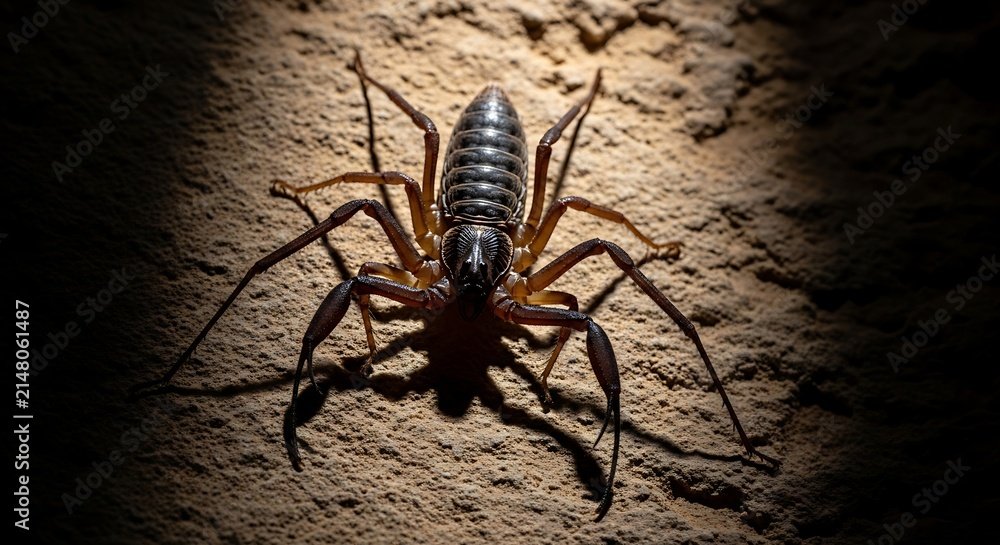
Redback spiders
Redbacks are venomous. They're also common. Their distinctive red stripe on a black abdomen makes identification straightforward.
Redbacks build webs in sheltered, warm spots. Sheds, garages, outdoor furniture, and eaves are preferred locations.
Redback bites cause pain, swelling, and systemic symptoms. Symptoms can be severe. Antivenom exists and works effectively.
Redbacks are solitary. One web means one spider. Multiple webs mean multiple spiders.
White-tail spiders
White-tails are venomous. They're also aggressive hunters. Unlike web-builders, they actively hunt other spiders and insects.
White-tails enter homes at night. They hunt the insects and spiders already inside.
White-tail bites cause localised pain and swelling. Severe reactions are rare. Bites occur when spiders are crushed against skin or feel threatened.
White-tails are nocturnal. They're most active at night. You're most likely to see them after dark.
Huntsman spiders
Huntsmen are large and intimidating. They're not venomous. They're also not aggressive toward humans.
Huntsmen are active hunters. They roam walls and ceilings hunting insects. They're fast and efficient predators.
Huntsmen enter homes through gaps and cracks. Once inside, they hunt.
Huntsmen are solitary. You'll see one at a time. Finding multiple suggests a significant insect problem attracting them.
Identifying Venomous vs Non-Venomous Spiders
Most spiders in Perth are harmless.
Venomous spiders have specific visual markers. Redbacks display a red stripe on a black abdomen.
Non-venomous spiders include Huntsmen, garden spiders, and jumping spiders. Huntsmen are large and brown.
The key difference: venomous species are solitary and build distinctive webs. Non-venomous hunters roam actively.
When you spot a spider, look for these features:
- Distinctive markings (red stripe, white tip)
- Web type and location (sheltered spot vs. open hunting ground)
- Size and color
- Behaviour (stationary in web vs. actively hunting)
If you can't identify it confidently, assume it's harmless and relocate it.
How to Keep Spiders Out of the House
Prevention is simpler than dealing with infestations. Three strategies work: seal entry points, remove habitat, and use deterrents. Combined, they eliminate most spider problems.
Seal entry points and gaps
Spiders enter through gaps smaller than you'd expect. A crack the width of a credit card is enough. Sealing these gaps is your first line of defence.
Inspect your home systematically:
- Check around windows and doors
- Look for gaps where pipes enter walls
- Examine foundation cracks
- Inspect roof vents and eaves
Use weatherstripping, caulk, or expanding foam. Seal gaps completely. Don't leave small openings. Spiders will find them.
Pay special attention to areas where utilities enter your home. Pipes, cables, and ducts often have gaps. These are spider highways.
Remove food sources and habitat
Spiders follow insects. Eliminate insects, and spiders have no reason to stay. Remove clutter, clean regularly, and control other pests.
Declutter your home and garden:
- Remove stored items from corners and dark spaces
- Keep firewood away from your house
- Trim vegetation away from walls
- Remove dead leaves and plant debris
Clean regularly. Vacuum removes insects and spider webs. Dusting eliminates dust mites, which spiders hunt. Regular cleaning disrupts spider habitat.
Control other pest populations. If you have an insect problem, spiders will follow. Professional pest control for general insects reduces spider attraction.
Use non-toxic deterrents
Several non-toxic methods deter spiders. These don't kill spiders. They encourage them to settle elsewhere.
Effective non-toxic deterrents include:
- Peppermint oil: Mix with water and spray around entry points. Spiders dislike the smell.
- Citrus peels: Leave in corners and dark spaces. Refresh weekly.
- Cedar chips: Place in storage areas. Cedar's scent repels spiders.
- Vinegar spray: Mix equal parts white vinegar and water. Spray around baseboards and corners.
These methods work best as supplements to sealing and cleaning. They're not replacements for structural prevention. Spiders desperate for shelter will ignore deterrents.
Reapply regularly. Scents fade. Deterrent effectiveness requires consistent application. Refresh weekly during peak seasons.
Spider Prevention Tips for Year-Round Protection
Consistent prevention beats reactive treatment. A simple maintenance routine stops most infestations before they start.
Seasonal maintenance checklist
Follow this checklist each season to stay ahead of seasonal spider activity:
Spring (September to November):
- Seal any new gaps or cracks found during winter
- Clean gutters and downpipes
- Trim vegetation away from walls
- Remove winter debris from around your home
Summer (December to February):
- Check weekly for new webs
- Remove webs promptly
- Inspect dark corners and storage areas
- Check outdoor furniture before use
Autumn (March to May):
- Seal entry points before spiders seek shelter
- Declutter indoor spaces
- Clean storage areas
- Remove potential indoor habitat
Winter (June to August):
- Inspect protected spaces (sheds, garages, crawl spaces)
- Remove clutter from storage areas
- Check for dormant spiders in hidden spots
- Plan spring prevention strategy
Managing spider webs and egg sacs
Webs indicate spider presence. Egg sacs indicate breeding. Managing both prevents population explosions.
Remove webs regularly. Use a broom or vacuum. Don't leave webs standing.
Egg sacs are harder to manage. They're tough and protective.
Look for egg sacs in corners, under eaves, and in protected outdoor spaces.
During spring and summer, check for egg sacs weekly. Remove them promptly.
Signs of Infestation and When to Call a Professional
Most spider encounters don't constitute infestations. Seeing one spider occasionally is normal. Seeing multiple spiders daily, or finding many webs, signals a problem.
Signs of infestation include:
- Multiple webs in the same room or area
- Egg sacs in multiple locations
- Spiders appearing indoors regularly
- Visible spider activity in dark spaces
Contact Challenge Pest Control when you notice these signs. Professional treatment is more effective than DIY approaches, especially for venomous species or severe infestations.
Call immediately if you find:
- Multiple Redback webs in accessible areas
- White-tail spiders entering your home regularly
- Egg sacs in bedrooms or living spaces
- Signs of infestation in commercial properties
Challenge Pest Control offers 24/7 emergency service. We provide free quotes and advice. Our team has managed pest problems across Perth since 1987. We guarantee our work. If pests return, we return at no additional cost.
First Aid for Spider Bites
Most spider bites cause minor reactions. Redback and White-tail bites are more serious.
For non-venomous spider bites:
- Wash the area with soap and water
- Apply ice to reduce swelling
- Take over-the-counter pain relief if needed
- Monitor for infection
For suspected Redback or White-tail bites:
- Wash the area with soap and water
- Apply ice immediately
- Seek medical attention promptly
- Inform doctors of the spider type if identified
Redback bites may cause systemic symptoms: muscle pain, sweating, nausea, or difficulty breathing. These require immediate medical attention.
White-tail bites typically cause localised pain and swelling. Severe reactions are rare.
Prevention is better than treatment. Avoid handling spiders. Wear gloves when moving items stored outdoors.
Frequently Asked Questions
When are spiders most active around homes?
Spiders are most active from September through February, with peak activity during summer (December to February) when temperatures are warmest. Spring marks the start of breeding season, which drives increased spider activity and web-building. Winter (June to August) sees reduced activity as spiders enter dormancy. Understanding these seasonal patterns helps you time preventative measures and pest control treatments for maximum effectiveness.
How can I keep spiders out of the house using prevention tips?
Seal gaps around windows, doors, and foundation cracks where spiders enter. Remove clutter, declutter storage areas, and reduce hiding spots indoors. Outdoors, trim vegetation away from walls and eliminate debris piles. Use non-toxic deterrents like peppermint oil or cedar-scented products. Remove existing webs and egg sacs regularly. Reduce indoor lighting at night, which attracts insects that spiders feed on. These spider prevention tips work best when applied consistently throughout the year.
What's the difference between venomous and non-venomous spiders?
All spiders produce venom to subdue prey, but only a few pose genuine risk to humans. Redback and White-tail spiders are venomous and can cause painful bites with symptoms like swelling or localised pain. Huntsman spiders, though large and intimidating, are non-venomous and rarely bite. Most household spiders are harmless. Learning to identify local species helps you respond appropriately. When in doubt, contact a professional pest control service for identification and removal.
Should I remove spider webs from around my home?
Removing visible webs outdoors helps reduce spider populations and prevents infestation spread. Indoors, removing webs eliminates egg sacs and discourages spiders from establishing territories. However, outdoor web removal is most effective during spring and summer when spiders are actively breeding and building. Use a broom or cloth to clear webs regularly, particularly around eaves, gutters, and entry points. This simple maintenance task is one of the most practical spider prevention tips for homeowners.
Spider problems don't resolve themselves. Seasonal spider activity peaks each year, and without consistent prevention, infestations grow. Challenge Pest Control eliminates spider problems with guaranteed treatments backed by nearly four decades of experience. Our team provides 24/7 service, free quotes, and pensioner discounts. We handle everything from Redback removal to complete home spider-proofing. Call 0422926291 to book your free consultation today.