 blog
5 Best Practices for Restaurant Pest Control Contracts
Last Updated: November 3, 2026
Quick Summary
Effective pest control contracts for restaurants lock in a written scope naming each pest and serviced zone, set treatment frequency around your risk profile, and require audit-ready service records after every visit. Compare providers on measurable response times, liability and exit terms, then track bait station consumption and sighting logs between visits.
- A named pest schedule lists each target pest with its treatment method and service interval.
- Monthly routine inspections suit many busy kitchens, with high-risk sites needing fortnightly attention in peak season.
- Service reports should record date, technician, areas inspected, treatments applied and corrective actions.
- Urgent call-outs for food areas should have a defined attendance window with after-hours coverage.
- Track sighting logs, bait station consumption, report quality and corrective action closure between visits.
Table of Contents
- Why a Written Pest Control Contract Beats a Handshake Deal
- Practice 1: Lock the Scope Into Your Pest Control Service Agreement
- Practice 2: Set Pest Control Treatment Frequency Around Your Operation
- Practice 3: Insist on Audit-Ready Pest Control Service Records
- Practice 4: Compare Contracts on Response Times, Liability and Exit Terms
- Practice 5: Measure Contractor Performance Between Visits
- Book a Free Site Assessment Before You Sign Anything
- Frequently Asked Questions
Why a Written Pest Control Contract Beats a Handshake Deal
Written pest control contracts are the difference between a documented service relationship and a verbal promise you cannot enforce. Without a written agreement, a technician who stops showing up leaves a venue with no paper trail to prove who was responsible for what.
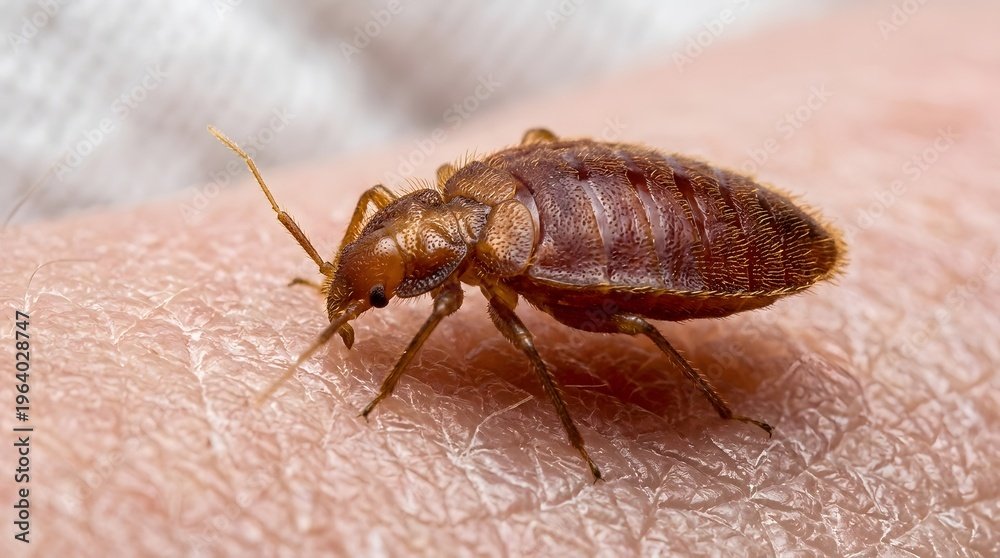
For a restaurant, the stakes are higher than for almost any other business. A single rodent sighting can shut a service area mid-trading, and environmental health officers will ask to see your records, not your handshake.
Below, we break down five practices that turn a vague arrangement into a contract that protects your kitchen, your records and your bottom line. The five practices below address two of the most expensive mistakes in this category: paying for visits that never happened, and discovering too late that the contract did not cover the pests a venue actually had.
What a Restaurant Pest Management Plan Must Cover
A restaurant pest management plan is a site-specific document that sets out which pests you are targeting, where they are likely to enter and harbour, what treatments will be used, how often, and who is accountable for each step. It is not a generic brochure.
A thorough plan for a food service site typically covers these essentials:
- Pest identification and monitoring points, including bait stations, insect light traps and inspection zones
- Treatment methods and chemical safety, including products used and re-entry times
- Service frequency and follow-up visits for each pest type
- Reporting and record-keeping obligations, aligned to your food safety program
- Corrective actions when activity is found, and who owns them
- Staff training expectations for spotting and reporting signs
Practice 1: Lock the Scope Into Your Pest Control Service Agreement
The most common failure we see is a pest control service agreement that names a price and a frequency but never defines the work.
A usable scope answers these questions in writing. Which pests are covered, and which are excluded? Which areas of the premises are serviced, including roof voids, grease traps, cool rooms and bin bays? What specific treatments are included, from gel baiting to rodent station servicing?
What a properly drafted scope clause contains
A scope that will survive a dispute usually has four parts:
- A named pest schedule. Each target pest is listed individually, cockroaches, rodents, stored-product moths, drain flies, ants, spiders, with the treatment method and service interval attached to each. "General pests" is not a schedule; it is an invitation to argue.
- A defined treatment area. The agreement should list every serviced zone by name: main kitchen, dry store, cool rooms, grease trap, bin bay, roof void, plant room, dining area, external perimeter. If a zone is not listed, assume it is excluded.
- An inclusions and exclusions schedule. State plainly what is included (routine inspections, bait station servicing, monitoring device checks, written reports) and what is not (fumigation, termite treatment, bird control, proofing works, emergency call-outs outside the SLA). Exclusions are not a red flag on their own, undisclosed exclusions are.
- A variation mechanism. Pest pressure changes. The contract should set out how additional treatments are authorised, quoted and billed, so a spike in activity does not arrive as a surprise invoice.
How to test a scope before you sign
Read the scope clause and ask: if a rodent is found in the dry store tomorrow, does this document tell me who attends, how quickly, at what cost, and what report I receive?
Watch out: many contracts list "general pests" without defining the term.
Get those answers in writing and you have removed most of the ambiguity that leads to callbacks and arguments.
Practice 2: Set Pest Control Treatment Frequency Around Your Operation
Pest control treatment frequency should follow your risk profile, not a standard package.
Build the schedule around three variables:
- Delivery and waste volume. More movements mean more entry opportunities.
- Building age and condition. Older sites with service penetrations and shared walls need closer monitoring.
- Seasonal pressure. Warmer months drive rodent and insect activity up.
A monthly routine inspection suits many busy kitchens, with bait station servicing and monitoring checks on the same cycle. High-risk sites may need fortnightly attention in peak season.
Do not accept a frequency chosen for the contractor's route efficiency. Restaurant operators can follow a restaurant-specific walkthrough in effective pest control for Perth restaurants. It should be chosen for your risk.
Practice 3: Insist on Audit-Ready Pest Control Service Records
Pest control service records are the evidence that your plan is working. When an environmental health officer or auditor arrives, a logbook with dated entries, technician names, products used and findings is what carries the day.
A service report should generally include:
- Date, time and technician for each visit
- Areas inspected and any pest activity found
- Treatments applied, including pesticide application details
- Recommendations and corrective actions with owners named
- A clear statement of what happens next
A common mistake is accepting a handwritten docket with a signature and nothing else. For practical detail on keeping pest control records inspection-ready, see our guide. That is not an audit-ready record.
Practice 4: Compare Contracts on Response Times, Liability and Exit Terms
Two contracts can look identical on price and be worlds apart on protection. For a deeper guide on how to choose commercial pest control agreements, see our dedicated article. The differences sit in the fine print: what happens at 2am when you find a rodent in the dry store, who carries insurance, and how you get out if service slips.
Response times: turn the promise into a number
"As soon as practicable" is not a service level, it is an excuse. A usable service-level agreement states a measurable window for each category of call-out. A common structure is:
- Urgent (pest activity in a food handling or storage area): attendance within a defined number of hours, with after-hours coverage.
- Priority (activity in non-food areas): attendance within one business day.
- Routine (monitoring findings, recommendations): addressed at the next scheduled visit.
The agreement should also state what happens if the window is missed, a credit, a free re-treatment, or an escalation contact. A response commitment without a consequence is a marketing line, not a service level.
Liability and indemnity: who pays when treatment fails
Liability clauses allocate risk, and they are rarely explained at signing. First, does the contractor hold current public liability insurance, and can they provide a certificate of currency? Second, does the agreement define responsibility when a treatment fails and stock is lost or a service area is closed, and does it distinguish between a failure of the contractor's work and a failure of the restaurant's own hygiene or proofing obligations? Third, is there an indemnity clause, and does it run both ways or only one?
Most practitioners find that disputes arise not because liability is unfair but because it is silent. A contract that says nothing about who pays for a failed treatment leaves the restaurant carrying the loss by default.
Exit terms: notice, auto-renewal and cancellation
Exit terms decide how easily you can leave a provider that is underperforming. Check four things:
- Notice period. A clear notice period, commonly 30 days, written in plain terms.
- Auto-renewal. Many agreements renew automatically for a further term unless notice is given. Diarise the notice date the day you sign.
- Termination for cause. The contract should let you terminate without penalty if the contractor repeatedly misses the service level or fails to attend.
- Exit fees. Confirm in writing whether any fee applies on early termination, and on what basis.
The comparison table
| What to compare | What good looks like | What to avoid |
|---|---|---|
| Response commitment | Defined hours per call-out category, with after-hours coverage | "As soon as practicable" |
| Insurance and licensing | Current public liability certificate and licence details provided | Verbal assurance only |
| Reporting | Written report after every visit | Docket with a signature |
| Exit terms | Clear notice period, no punitive fees | Long lock-in with auto-renewal |
| Liability | Defined responsibilities for both parties | Silent on who pays if treatment fails |
Response time is where contracts are really tested. A service-level agreement that commits to a defined window for urgent call-outs is worth more than a small saving on the monthly fee. Pests do not keep business hours, which is why round-the-clock response matters.
Liability and cancellation clauses deserve the same scrutiny. Ask who is responsible if a treatment fails and stock is lost, and confirm the notice period in writing.
Practice 5: Measure Contractor Performance Between Visits
The contract sets the standard. Performance measurement proves whether it is being met. A contractor who only appears when something has gone wrong is not managing pests; they are reacting to them.
Track four things between scheduled visits:
- Sighting log. Ask staff to record every pest sighting, with date and location.
- Bait station consumption. Rising take in stations signals pressure building.
- Report quality. Are findings specific, or is every report identical?
- Corrective action closure. Are recommendations being actioned and confirmed?
This data gives you a factual basis for the contract review conversation, rather than a vague sense that service has slipped. To benchmark what you observe, see our overview of effective pest control methods for businesses. It also feeds directly into your food safety compliance evidence.
A contractor who welcomes this scrutiny is usually the one worth keeping.
Book a Free Site Assessment Before You Sign Anything
Signing a pest control contracts agreement without seeing the site assessed is a gamble. Every kitchen has different entry points, different pressure sources and different compliance obligations, and a contract written without that context is guesswork.
Challenge Pest Control has delivered pest management to commercial, industrial and domestic clients since 1987. We provide free quotes and free advice, all work is guaranteed, and we are fully insured with Public Health Licence 401.
Before you commit to any agreement, get the site looked at properly.
Frequently Asked Questions
What should a restaurant pest control contract include?
A workable contract names the pests covered, the inspection schedule, treatment methods and the products used, plus reporting and record-keeping obligations. It should state response times for callbacks, who holds the licence and insurance, how pricing is calculated, and what notice is required to cancel. A site-specific pest management plan is preferable to a generic brochure, and service records should be left on site after every visit so they are ready for a food safety inspection.
How often should a restaurant have pest control service?
Many restaurants sit on a monthly routine, with high-risk sites such as those near waste areas or with heavy deliveries often moving to fortnightly visits. Pest control treatment frequency should follow your pest activity logs, building condition and audit requirements rather than a flat default. Seasonal pressure matters too: rodents and cockroaches pick up in warmer months. Build review points into the agreement so the schedule can be tightened if monitoring shows activity between visits.
Does a restaurant need pest control records for food safety inspections?
Yes. Pest control service records are part of the evidence a food business is expected to keep under its food safety program, alongside cleaning schedules and temperature logs. Keep the logbook, service reports, treatment records and any corrective actions on site and current. Inspectors and auditors generally want to see a documented methodology, not just a certificate on the wall, so it is sensible to confirm that any contractor leaves written reports after every visit and that follow-up visits are recorded too.
What should a restaurant do if pests return between scheduled visits?
Log the sighting with the date, location and pest type, then call your contractor under the response clause in the agreement. A good contract sets a clear timeframe for follow-up visits. While you wait, remove the attractant: seal food in airtight containers, clear waste, and check entry points such as cracks and gaps around doors and pipework. Record the corrective action so the paper trail stays complete.