 How-to
7 Best Ways to Get Rid of Weeds for Good
Last Updated: November 21, 2026
Quick Summary
The best ways to get rid of weeds start with identifying whether they are annual or perennial, then matching the method to the root system. Hand-pull annuals in damp soil, fork out perennial roots, and use mulch and dense planting to stop weed seeds returning.
- Water garden beds the evening before pulling so roots release more cleanly.
- Hoe weed seedlings shallowly on a dry, sunny morning and repeat every week or two.
- Boiling water kills annual weeds on paths but also kills soil life and earthworms.
- Refresh mulch at the start of spring and again in early autumn when germination peaks.
- Spray weeds when actively growing, air is calm and no rain is forecast for six hours.
Table of Contents
- Match the Method to the Weed Before You Pull Anything
- Hand-Pulling and Digging: The Best Ways to Get Rid of Weeds in Garden Beds
- Natural Weed Control Methods That Actually Work
- How to Prevent Weeds in the Garden So They Stop Coming Back
- How to Remove Weeds from a Lawn Without Killing the Grass
- The Best Time to Spray Weeds (and When Not To)
- Comparing Weed Removal Methods: Effort, Cost and Unintended Damage
- When to Book Professional Weed Eradication
- Frequently Asked Questions
Match the Method to the Weed Before You Pull Anything
The best ways to get rid of weeds start with identification, not action. Pulling the wrong plant at the wrong time wastes effort, spreads seed and can leave toxic foliage in a paddock where livestock graze.
Before you pull, spray or smother, confirm what you're dealing with. A free weed identification guide is a sensible first stop, or use this seven-step weed identification process to narrow it down by leaf shape, growth habit and root type.
Hand-Pulling and Digging: The Best Ways to Get Rid of Weeds in Garden Beds
Hand removal is a practical method for garden beds, annual weeds and any patch small enough to inspect closely. It costs little beyond time and avoids chemicals.
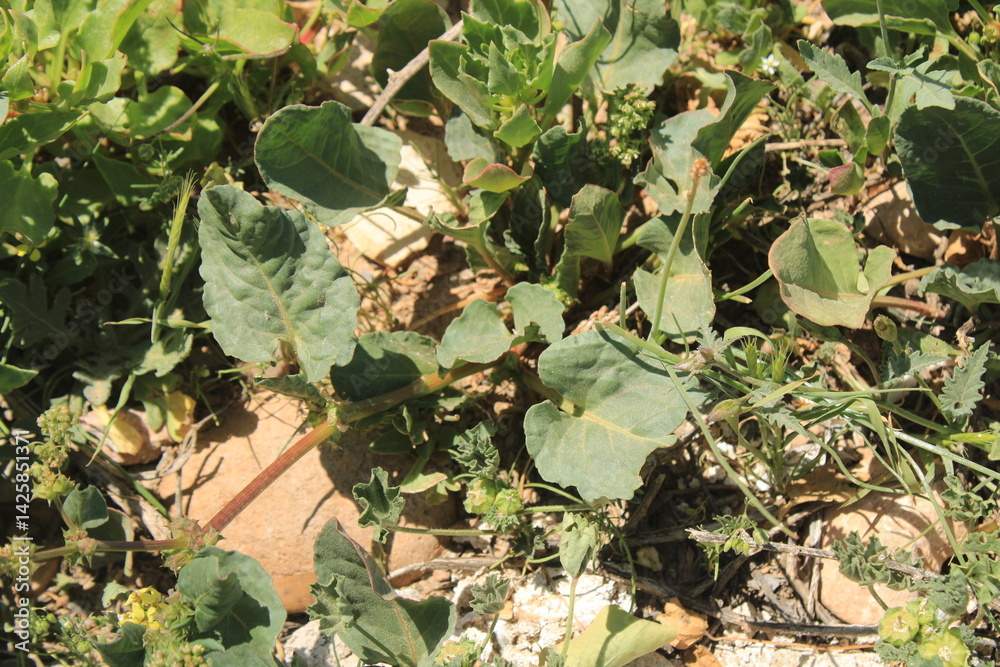
Getting the Root System Out, Not Just the Top
Water the bed the evening before you pull. Damp soil releases roots far more cleanly than dry, cracked ground, and the difference in regrowth is noticeable.
- Grip annual weeds at the base, not the leaf tips, and pull with a steady twist
- For tap-rooted perennials like dandelion, use a garden fork to loosen soil alongside the root before lifting
- For deep or brittle root systems, a weeding tool or narrow trowel gets under the crown where fingers can't
Watch out: leaving broken root fragments in the soil is how perennial weeds win. A root system left partly intact will reshoot within weeks, so fork out the full length rather than snapping the top off.
Hoeing and Cultivating Weed Seedlings
Hoeing works best on weed seedlings in open ground, before they establish. Run a sharp hoe just below the soil surface on a dry, sunny morning and let the severed seedlings wither on top of the bed.
The catch: hoeing disturbs soil and can bring fresh weed seeds to the surface, where they germinate. Keep hoeing shallow, and follow up every week or two during the growing season rather than hoeing deeply once.
Natural Weed Control Methods That Actually Work
Natural weed control works when it targets the plant's weak point: heat, desiccation or smothering. It fails when it's applied to the wrong weed type or the wrong growth stage. The methods below are the ones with a plausible mechanism, but each carries a real risk to soil life, desirable plants or the person applying it, so treat them as spot treatments rather than broad-brush solutions.
Boiling Water, Vinegar and Cooking Oil: What They Kill and What They Don't
These household methods are popular because they're chemical-free, and they do work in narrow circumstances.
- Boiling water kills annual weeds and seedlings on paths, driveways and gravel within a day or two. It does nothing to established perennial root systems, and it kills any soil microbes and earthworms it contacts, so keep it off garden beds. Pour slowly enough to soak the crown rather than splash the surrounding soil.
- Vinegar at household strength (around 4-5% acetic acid) burns off top growth on young, small weeds. It's a contact treatment, not a root killer, so perennials regrow from below. Stronger horticultural vinegars exist but are corrosive and demand gloves and eye protection; household strength is the safer starting point.
- Cooking oil added to a vinegar mix helps the spray cling to waxy leaves. It still only affects what it touches, and an oily residue can coat desirable foliage if drift occurs.
The pattern is consistent: these methods handle weed seedlings and small annuals well and established perennials poorly. Apply them as spot treatment on a hot, dry day and expect to repeat the application.
Watch out: vinegar and salt-based remedies are non-selective. They will burn lawn, ornamentals and vegetable seedlings just as readily as the weed, and repeated salt application can leave soil hostile to later planting for months.
Matching the Remedy to the Weed and the Setting
A simple rule cuts most of the guesswork. On hard surfaces such as paths, driveways and gravel, boiling water is the lowest-risk option because there are no desirable roots to damage.
Natural remedies are best understood as repeat-visit tools rather than one-off cures. A seedling flush after rain may need two or three passes over a fortnight, and each pass is cheap and low-risk if you keep the spray off wanted plants.
How to Prevent Weeds in the Garden So They Stop Coming Back
Prevention is where most gardeners lose ground, because it's less satisfying than pulling. The principle is simple: deny weed seeds light, space and bare soil. What most guides skip is that prevention is a schedule, not a single action, and the schedule changes with the season and the weed's seed bank.
Mulch, Ground Covers and Dense Planting
A thick mulch layer smothers weed seedlings before they reach the surface. Coarse mulch suppresses better but breaks down slower; fine mulch feeds soil faster but needs topping up more often, so compare the options that actually suppress weeds before you buy.
Ground covers and dense planting close the canopy and shade out competitors. Combine both with a regular walk-through, and bare soil in garden beds becomes rare.
The Seed Bank: Why One Clean Pass Is Never Enough
Every garden bed holds a reservoir of dormant weed seed, and disturbing the soil brings fresh seed to the surface where it germinates. That is why a bed cleared in spring can flush again after autumn rain. The practical response is to disturb soil as little as possible, mulch immediately after any digging, and remove weeds before they flower and set seed.
A Realistic Maintenance Schedule
Turn prevention into a routine rather than a resolution:
- Weekly during active growth: walk the beds and pull or hoe seedlings before they establish. Ten minutes beats an afternoon of catch-up.
- Monthly: check mulch depth and top up thin patches, especially after heavy rain or wind.
- Seasonally: refresh mulch at the start of spring and again in early autumn, when weed germination peaks. Inspect ground covers for gaps and replant bare spots.
Timing Prevention Around Weather and Season
Timing matters as much as method. Mulch applied just before a forecast run of warm, wet weather suppresses the germination flush that follows. Hoeing is most effective on a dry, sunny morning, when severed seedlings wither on the surface rather than re-rooting.
Watch out: mulching over an established perennial without first removing or killing the root system just hides the problem. The weed pushes through the mulch within weeks, and you've spent money on material for nothing.
How to Remove Weeds from a Lawn Without Killing the Grass
Weeds in lawns need a different approach because the grass itself is the crop. The goal is a dense, healthy lawn that outcompetes weeds, backed by targeted removal.
- Mow regularly and slightly higher, so grass shades the soil surface
- Water deeply and less often to encourage deep grass roots
- Feed the lawn on schedule so it thickens and closes gaps
For larger lawn infestations, a spot treatment beats blanket spraying. It limits damage to the surrounding turf and lets you judge results before treating more.
The Best Time to Spray Weeds (and When Not To)
The best time to spray weeds is when the plant is actively growing, the air is calm, and rain isn't forecast for at least six hours. Active growth means the herbicide moves through the plant rather than sitting on a dormant leaf.
Timing by season matters more than most people expect. Spring and early autumn, when weeds are putting on new growth, give the best results. Midsummer heat and drought stress slow uptake, and winter dormancy makes spraying largely pointless.
Don't spray when:
- Wind is likely to carry drift onto wanted plants
- Rain is due within the stated rain-fast period on the label
- The weed has already set seed, since the plant is shutting down
Always read the product label and follow it exactly. The Australian Pesticides and Veterinary Medicines Authority (APVMA) publishes the registration and safety information that governs what can legally be used.
Comparing Weed Removal Methods: Effort, Cost and Unintended Damage
Different methods suit different settings, and the trade-offs are real.
| Method | Best For | Effort | Cost | Main Risk |
|---|---|---|---|---|
| Hand-pulling and digging | Garden beds, annuals, small patches | Medium | Nil | Broken roots regrow |
| Hoeing and cultivation | Seedlings in open ground | Low | Nil | Brings seed to surface |
| Mulch and ground cover | Long-term prevention in beds | Low ongoing | Moderate | Cost of materials |
| Boiling water | Paths, gravel, seedlings | Low | Nil | Kills soil life and earthworms |
| Vinegar and oil | Small annuals, spot treatment | Low | Low | Top-growth only, repeats needed |
| Herbicides | Lawns and large infestations | Low | Moderate | Drift and off-target damage |
Unintended damage is the factor most guides skip. Before you spray or pull a large patch, check whether the weed is a problem for animals. Some weeds are toxic to livestock, and this guide to weeds toxic to livestock is worth reading before you clear a paddock or spray near grazing areas.
When to Book Professional Weed Eradication
Book professional weed eradication when the infestation is large, the weed is a perennial that keeps returning, or the patch sits near areas where chemical drift or toxic plants pose a risk. Repeated DIY attempts that fail are the clearest signal.
Professional treatment brings calibrated equipment, correct product selection and follow-up scheduling, which matters most for perennial weeds and broad problem patches. If you'd rather weigh the options first, compare professional pest control against DIY home treatments to see where each one fits.
Challenge Pest has offered weed eradication and general pest removal since 1987, with fully insured work, guaranteed work, free quotes and advice, pensioner discounts, and 24/7 availability. When you're ready to book, find a local pest and weed control service and get a free quote before committing.
If a patch has beaten you more than twice, the honest answer is that the method, not the effort, is wrong.
Frequently Asked Questions
What is the most effective way to get rid of weeds?
There is no single winner, because the best method depends on the weed and the setting. In garden beds, hand-pulling and digging out the full root system gives the most complete result for annual and shallow-rooted weeds. On lawns, targeted selective herbicide or careful spot treatment protects the grass while killing the weed. For driveways and paths, boiling water or solarisation works well. The most effective approach combines removal now with prevention, such as mulch and dense planting, so bare soil does not invite the next flush of seedlings.
How do you remove weeds so they do not grow back?
Remove the whole plant, not just the top. Perennial weeds regrow from root fragments, so fork out as much of the root system as you can and bag the debris rather than leaving it on the soil. Follow up by covering bare ground with mulch, ground covers or dense planting to block light from weed seeds. Check the patch every week or two and pull any regrowth while it is still small. Repeat treatment is normal for tough perennials, so plan for a follow-up rather than expecting one pass to finish the job.
Is it better to pull weeds by hand or use weed killer?
Hand removal suits garden beds, small patches and anything growing close to plants you want to keep, because you control exactly what comes out. Herbicide suits large areas, lawns and stubborn perennial weeds where digging would disturb the soil or damage surrounding plants. If you use herbicide, choose a selective product for lawns and a non-selective one only for paths and bare ground, and apply it on a calm day when rain is not expected. Many gardeners use both: pull in beds, spray on hard surfaces.
When should you call a professional for weed control?
Call a professional when weeds cover a large area, when perennial weeds keep returning after repeated removal, or when the infestation sits on commercial, industrial or strata-managed property where liability and compliance matter. Professional weed eradication also makes sense if you are unsure which product is safe near children, pets or waterways. A licensed operator can identify the weed, choose the right method and set up a follow-up schedule. Challenge Pest Control offers free quotes and advice on weed eradication across Perth.