 listicle
Best Mulch to Prevent Garden Weeds
Table of Contents
- Best Mulch to Prevent Garden Weeds: Quick Comparison
- How Thick Should Mulch Be to Stop Weeds
- Organic Mulch Options for Weed Suppression
- Synthetic and Inorganic Options
- Weed Matting vs Mulch: Which Works Better
- How to Prepare Garden Beds for Mulching
- Mulch Depth Requirements and Weed Prevention
- When to Replenish Mulch and Maintain Weed Control
- Frequently Asked Questions
Last Updated: September 23, 2026
Best Mulch to Prevent Garden Weeds: Quick Comparison
Choosing the right mulch is one of the most effective ways to reduce weeds in your garden. The best mulch to prevent garden weeds combines weed suppression with soil health benefits, but the right choice depends on your garden type, climate, and maintenance preferences.
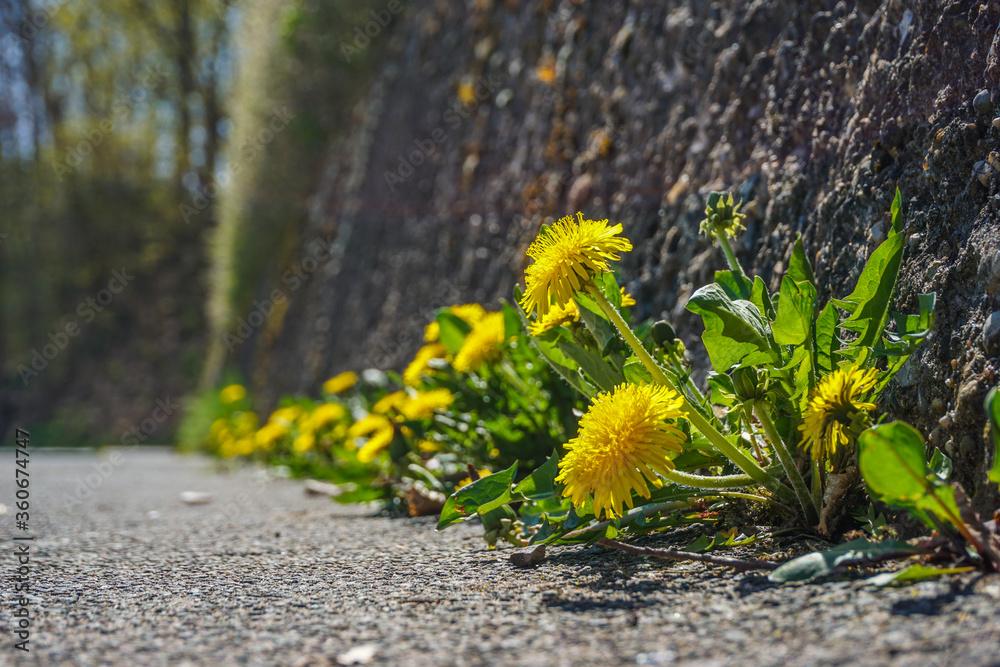
When applied correctly, mulch creates a barrier that blocks sunlight from reaching weed seeds, preventing germination. The key is selecting the type that matches your garden needs and applying it at the correct depth.
This guide covers effective mulch options from organic choices like pine bark and sugar cane to synthetic alternatives like weed matting, plus how thick mulch needs to be, when to refresh it, and how to prepare beds properly.
Quick Picks:
- Best Overall: Pine bark mulch, excellent weed suppression, slow decomposition, suits most garden types
- Best for Vegetable Gardens: Sugar cane mulch, adds nitrogen, retains moisture, breaks down quickly to improve soil
- Best Budget Option: Pea straw mulch, affordable for large areas, good moisture retention, easy to apply
- Best Permanent Solution: Black plastic weed mat, zero maintenance, blocks all weed germination, ideal under gravel
How Thick Should Mulch Be to Stop Weeds
The depth of mulch is critical to weed prevention. Too shallow, and weed seeds will still germinate. Too deep, and you risk smothering plant roots and creating moisture problems.
For most garden beds, apply mulch at 75-100mm depth to block light and prevent germination of both annual and perennial weed seeds.
For high-traffic areas or where you're dealing with aggressive perennial weeds, increase depth to 100-150mm. However, keep mulch 50-75mm away from tree trunks and plant stems to prevent rot and pest problems.
Different mulch types settle and compress over time. Organic mulches like straw and sugar cane compress faster than wood chips or bark, so you may need to top up sooner. Inorganic options like rubber mulch or plastic matting don't compress, making them more stable for long-term weed control.
Organic Mulch Options for Weed Suppression
Organic mulches break down over time, enriching soil with organic matter and improving soil health. They're popular for vegetable gardens and ornamental beds because they feed the soil as they decompose.
Pine Bark Mulch
Pine bark mulch creates a dense barrier that blocks light and lasts 2-3 years before needing replenishment. It enhances aesthetics, regulates soil temperature, and adds organic matter as it breaks down.
Pros: Highly effective at blocking sunlight, long-lasting, improves soil as it decomposes, attractive appearance Cons: Can be slightly acidic, which may not suit all plants; may contain some weed seeds if sourced from lower-quality suppliers
Best for ornamental beds, shrub gardens, and areas where you want a neat, finished look.
Sugar Cane Mulch
Sugar cane mulch adds nitrogen to soil and retains moisture exceptionally well, making it ideal for vegetable gardens and heavy-feeding crops. It's lightweight and easy to apply but decomposes within 6-12 months, requiring regular replenishment.
Pros: High nitrogen content boosts soil fertility, excellent moisture retention, easy to apply, ideal for vegetable patches Cons: Requires frequent replenishment, may contain occasional weed seeds, breaks down faster than wood-based mulches
Best for vegetable gardens, annual flower beds, and areas where soil enrichment is a priority.
Lucerne Mulch
Lucerne mulch is rich in nitrogen and trace elements, promotes earthworm activity, and provides superior weed suppression with a fine texture. It releases nutrients slowly as it breaks down.
Pros: Acts as a slow-release fertiliser, superior weed suppression, promotes beneficial soil organisms, excellent for high-demand plants like roses Cons: Can occasionally contain weed seeds if sourced from lower-quality suppliers, decomposes relatively quickly
Best for roses, vegetable gardens, and plants that benefit from extra nutrients.
Cypress Wood Chips
Cypress wood chips are durable, aromatic, and naturally pest-resistant, lasting 3-4 years with excellent weed suppression. The interlocking structure resists wind and rain, reducing maintenance compared to straw or sugar cane.
Pros: Very slow decomposition reduces maintenance, strong weed suppression, attractive appearance, naturally pest-resistant Cons: More expensive than standard pine bark, less soil enrichment due to slow breakdown
Best for pathways, play areas, and around established trees where durability matters.
Pea Straw Mulch
Pea straw is affordable and lightweight, ideal for large areas. It allows water penetration while blocking sunlight, keeps soil cool, and adds organic carbon. However, it can blow away in wind and breaks down within 6-12 months.
Pros: Very affordable for large areas, excellent water penetration, keeps soil cool, adds organic carbon Cons: Can be untidy and blow away in wind, breaks down relatively quickly, less visually refined than bark or wood chips
Best for general garden beds, vegetable patches, and budget-conscious gardeners covering large areas.
Cocoa Shell Mulch
Cocoa shell mulch provides a neat appearance with a pleasant aroma, excellent weed suppression, and nutrient enrichment. It lasts 12-18 months and is best suited to small ornamental beds and formal gardens.
Synthetic and Inorganic Options
Synthetic mulches don't break down or add organic matter to soil, but they provide permanent, maintenance-free weed suppression. These options are ideal for long-term landscaping projects and high-traffic areas.
Black Plastic Weed Mat
Black plastic weed matting prevents light penetration and lasts many years without degrading. It's typically installed under gravel or stone for pathways and driveways, providing immediate, permanent weed suppression.
Recycled Rubber Mulch
Recycled rubber mulch is permanent, permeable to water, and requires zero maintenance. It's ideal for high-traffic areas but has a higher initial cost, making it economical only over 10+ years.
Geotextile Weed Fabric
Geotextile fabric is a permeable barrier that allows water and nutrients through while blocking weeds. It prevents deep-rooted perennials and mulch sinking, ideal for large-scale landscaping and permanent paths.
Weed Matting vs Mulch: Which Works Better
The choice between weed matting and organic mulch depends on your goals, budget, and garden type.
How to Prepare Garden Beds for Mulching
Proper bed preparation ensures your mulch works effectively. Skipping this step wastes mulch and leaves gaps where weeds emerge.
Mulch Depth Requirements and Weed Prevention
Apply mulch at 75-100mm for most applications; inorganic mulches can be 50-75mm. For aggressive perennial weeds, increase to 100-150mm. Organic mulches settle 25-30% in the first few months, so apply slightly thicker initially. Inorganic mulches don't compress. Check depth seasonally and add 25-50mm refresh layers in spring if needed.
When to Replenish Mulch and Maintain Weed Control
Organic mulches require periodic replenishment as they decompose. The frequency depends on mulch type, climate, and soil conditions.
Warmer climates accelerate decomposition, requiring more frequent replenishment.
| Mulch Type | Decomposition Rate | Ideal Depth | Best For | Replenishment Frequency |
|---|---|---|---|---|
| Pine Bark | Slow (2-3 years) | 75-100mm | Ornamental beds, shrubs | Every 2-3 years |
| Sugar Cane | Fast (6-12 months) | 75-100mm | Vegetable gardens | Every 6-12 months |
| Lucerne | Medium (12-18 months) | 75-100mm | Roses, nutrient-hungry plants | Every 12-18 months |
| Cypress Chips | Very slow (3-4 years) | 75-100mm | Pathways, established trees | Every 3-4 years |
| Pea Straw | Fast (6-12 months) | 75-100mm | Budget applications, large areas | Every 6-12 months |
| Cocoa Shell | Medium (12-18 months) | 75-100mm | Formal gardens, small beds | Every 12-18 months |
| Black Plastic | Permanent | 50-75mm | Under gravel, pathways | Never |
| Rubber Mulch | Permanent | 50-75mm | High-traffic areas | Never |
| Geotextile Fabric | Permanent | N/A (barrier) | Under decorative mulch | Never |
Frequently Asked Questions
What type of mulch is best for suppressing weeds?
Organic mulches like pine bark, lucerne, and cypress wood chips excel at weed suppression because they block sunlight and create a barrier that stops weed germination. Pine bark offers slow decomposition for long-lasting coverage, while lucerne provides nitrogen-rich soil enrichment as it breaks down. For immediate, permanent weed prevention, synthetic options like geotextile weed fabric or black plastic mats prevent light penetration entirely, though they don't improve soil health.
How thick should mulch be to stop weeds effectively?
Apply mulch 75-100 millimetres deep for effective weed suppression in most garden beds. This depth blocks sufficient light to prevent annual weed seeds from germinating. For vegetable gardens or areas with aggressive perennial weeds, 100-125 millimetres provides stronger protection. Avoid piling mulch directly against plant stems, as this can cause rot. Measure from the soil surface to the mulch top to ensure consistent coverage across the bed.
What is the difference between weed matting and organic mulch?
Weed matting (geotextile fabric or plastic) creates a physical barrier that blocks weeds permanently but adds no organic matter to soil. Organic mulch like pine bark or sugar cane suppresses weeds while decomposing to improve soil structure, moisture retention, and nutrient content. Matting suits permanent landscaping and paths; organic mulch works better for vegetable gardens and ornamental beds where soil health matters. Many gardeners use both: fabric underneath, mulch on top for maximum weed prevention and soil benefit.
How do I prepare garden beds for mulching to get the best weed control?
Clear existing weeds, dead plants, and debris from the bed. Loosen the top 50 millimetres of soil to improve water penetration and root growth. For severe weed problems, lay geotextile fabric or cardboard over the soil first to create an extra barrier. Water the soil lightly before applying mulch so it retains moisture during decomposition. Ensure mulch doesn't touch plant stems directly. This preparation maximises weed suppression and allows organic mulch to enrich the soil as it breaks down.