 how-to
Why Termite Protection Is Essential for New Construction
Table of Contents
- Why New Homes Remain Vulnerable to Termites
- How Termites Damage Structural Timber in New Builds
- Pre-Construction Termite Treatment: When and Why It Matters
- Physical and Chemical Termite Barriers for New Homes
- How Long a Termite Barrier Lifespan Really Lasts
- Termite Inspection After Construction: Your First Line of Defence
- What Happens When a Barrier Is Breached or Disturbed
- Frequently Asked Questions
Last Updated: October 11, 2026
Why New Homes Remain Vulnerable to Termites
Why termite protection is essential for new construction is often overlooked until damage appears. New buildings face higher risk than older ones despite modern standards. Termites care only about timber, moisture, and access, not the age of the structure.
New homes stay vulnerable during construction: wood sits exposed for months, soil remains disturbed, and gaps appear in barriers before sealing. A single missed treatment or poorly installed barrier leaves your home unprotected from day one.
Termite damage can occur in homes less than two years old. Building codes require barriers, but installation quality varies widely. Your new home's protection depends entirely on who installs the barrier and how well they do it.
The critical window is pre-construction and during building. Once walls close and landscaping finishes, accessing soil becomes difficult and expensive. Getting protection right the first time is essential.
How Termites Damage Structural Timber in New Builds
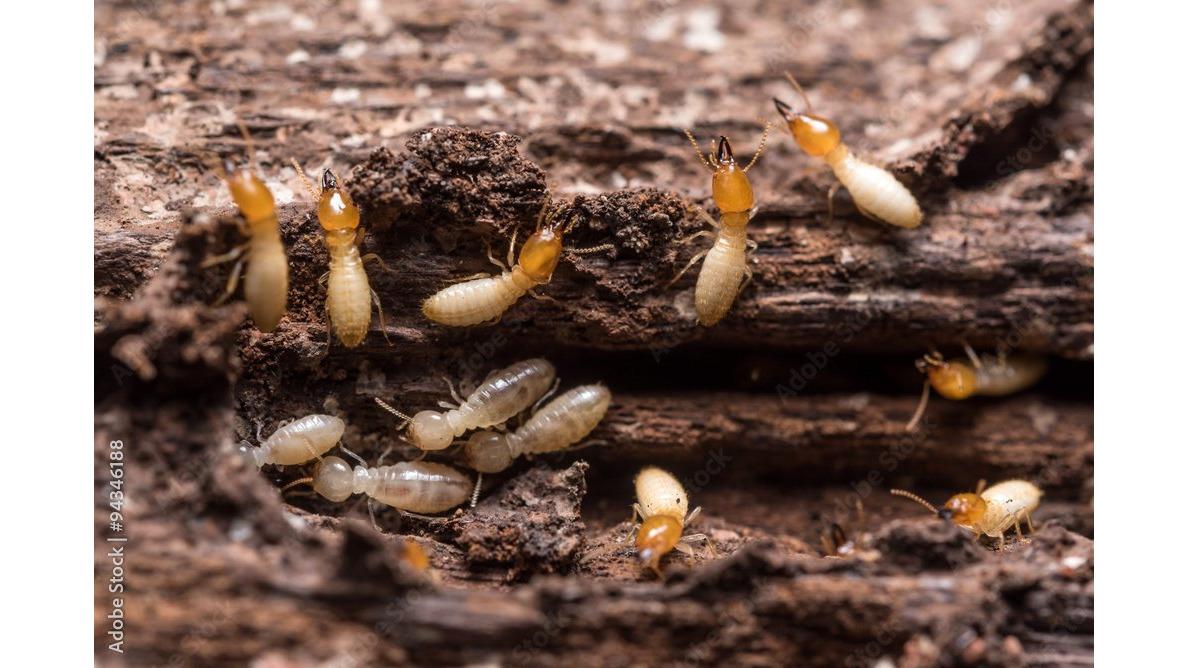
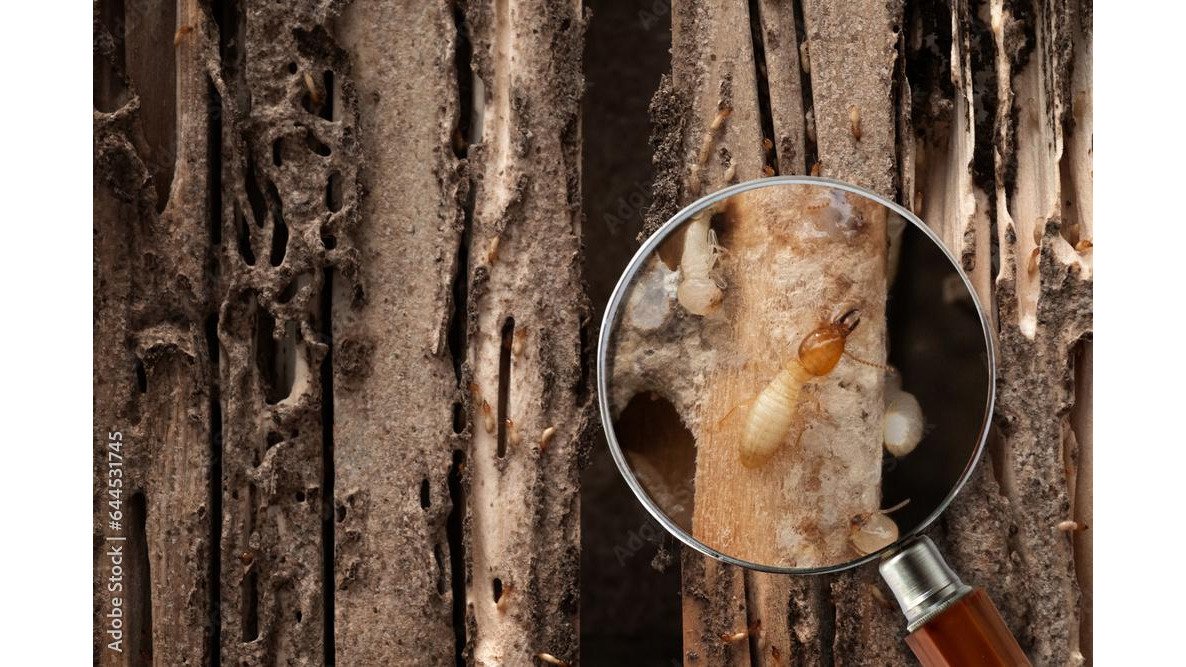
Termites eat timber from the inside out. A beam can lose 30-40% of its strength before visible damage appears on the surface.
Subterranean termites create hollow galleries inside wood while the outer shell remains intact.
New construction timber is particularly attractive to termites. Fresh-cut wood releases moisture and scent signals termites detect easily, making wall framing, floors, and roof trusses a massive food source if termites gain access.
Damage patterns depend on termite species and moisture levels. Humid areas see accelerated damage; timber near soil contact or water exposure faces higher risk. This is why barrier placement around foundations and crawl spaces is critical.
Pre-Construction Termite Treatment: When and Why It Matters
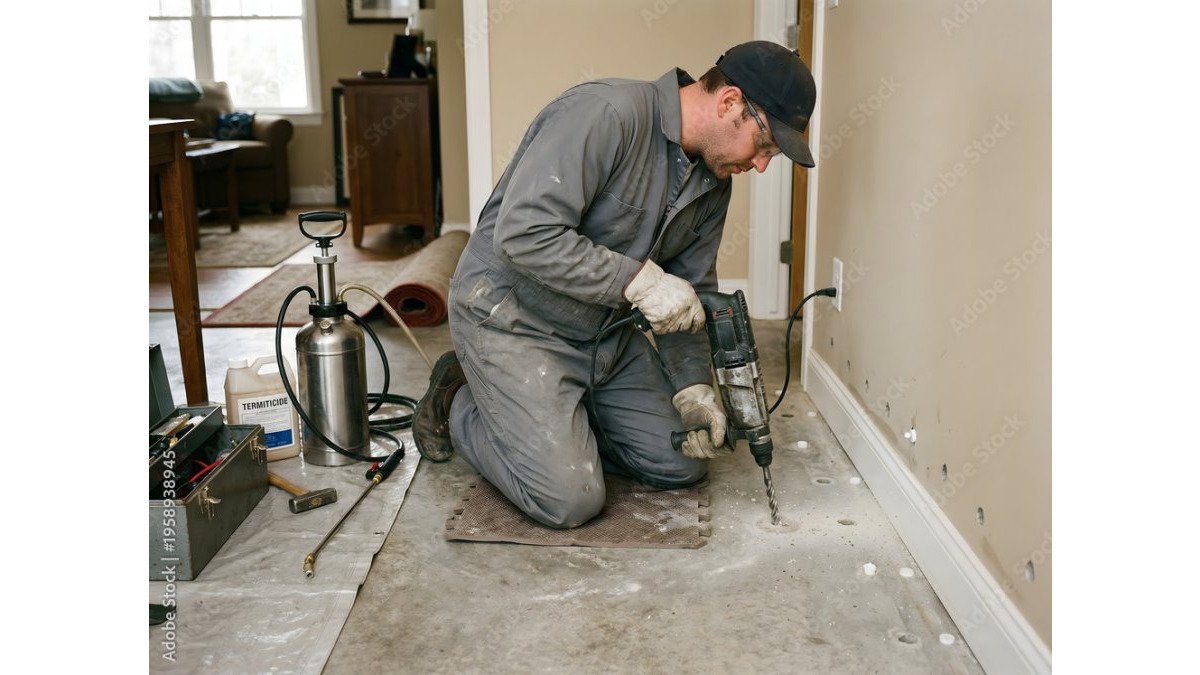
Pre-construction termite treatment applies soil treatment before building starts or during early phases, creating a chemical barrier termites cannot cross.
Timing is critical: soil treatment works best on undisturbed earth before concrete slabs are poured. Once the slab is down, treating soil underneath requires breaking up concrete. Pre-construction treatment prevents this problem.
Pre-construction treatment stops termites before they find entry points, protects timber during the vulnerable construction phase, creates a complete barrier before walls close, and provides long-term protection from day one.
Many builders include basic soil treatment, but quality varies. Challenge Pest Control recommends verifying your builder uses current, proven methods and professional-grade barriers.
Pre-construction treatment can be a cost-effective preventative measure compared to the expense of repairing termite damage.
Physical and Chemical Termite Barriers for New Homes
Two main barrier types protect new homes from termites: physical barriers and chemical barriers.
Physical Barriers
Physical barriers are solid obstacles between soil and timber. They include:
- Stainless steel mesh (typically 316-grade) installed around foundations and piers
- Plastic sheeting (high-density polyethylene) under concrete slabs
- Metal flashing at timber-to-concrete joints
- Reticulation systems that deliver liquid barriers through tubing embedded in concrete
Physical barriers block termite access entirely. Termites cannot chew through quality steel mesh or plastic. These barriers last indefinitely if undamaged.
Suitability and limitations: Most effective for new construction where barriers install before concrete is poured or walls close. Stainless steel mesh requires careful installation at joints.
Chemical Barriers
Chemical barriers use liquid treatments applied to soil around foundations, creating a zone termites avoid or cannot survive.
Suitability and limitations: Chemical barriers remain effective for 5-8 years depending on soil type, moisture, and product. Effectiveness reduces with heavy rainfall, flooding, or soil disturbance.
Comparing the Two Approaches
For new construction, the most effective strategy combines both methods. Physical barriers provide permanent, passive protection installed during the building phase.
| Factor | Physical Barrier | Chemical Barrier |
|---|---|---|
| Installation timing | During construction (pre-slab, pre-wall closure) | Before or after construction |
| Lifespan | Indefinite if undamaged | 5-8 years (varies by soil and product) |
| Maintenance | Inspection for damage; avoid disturbance | Periodic inspection; planned reapplication |
| Cost (typical new build) | $1,500-$4,000 depending on perimeter and system | $800-$2,000 initial; $400-$800 per reapplication |
| Best for | Preventing entry during vulnerable construction phase | Treating existing infestations; retrofitting |
| Limitations | Cannot treat already-infested soil; requires careful installation | Degrades over time; weather-dependent effectiveness |
Choosing a System for Your Build
Your choice depends on site conditions, construction type, and budget:
- New slab-on-ground homes: Physical barrier (plastic sheeting) under the slab, combined with chemical barrier around the perimeter
- Timber-frame or pole homes: Stainless steel mesh around all timber-to-soil contact points, plus chemical barrier in soil
- Homes in high-termite-pressure areas: Dual barriers (physical + chemical) as standard; plan for chemical reapplication every 5-7 years
- Homes with difficult soil access (tight sites, existing landscaping): Reticulation system embedded during construction allows future chemical refreshment without excavation
Discuss barrier options with your builder and pest control provider during the design phase.
How Long a Termite Barrier Lifespan Really Lasts
Termite barrier lifespan depends on type and installation quality. Physical barriers like steel mesh last indefinitely if undamaged.
Chemical barriers remain effective for 5-8 years depending on soil conditions and the specific chemical. After this period, chemical concentration drops below protective levels.
Pest control professionals recommend annual inspections to check for damage or gaps, and chemical barrier refreshing every 5-8 years.
Barrier lifespan depends on soil type, moisture, landscaping disturbance, installation quality, weather exposure, and chemical type.
A properly installed barrier protects your home effectively, but maintenance is essential. Regular inspections catch problems early; timely reapplication keeps chemical barriers effective.
Challenge Pest Control provides inspection and maintenance services to assess barrier condition and recommend refreshing when needed.
Termite Inspection After Construction: Your First Line of Defence
Termite inspection after construction is your opportunity to verify that barriers were installed correctly and to establish a documented baseline for future maintenance.
What a Professional Post-Construction Inspection Covers
A professional termite inspection checks for:
- Barrier installation completeness (physical barriers present and continuous)
- Gaps or damage in physical barriers (mesh, sheeting, flashing)
- Proper chemical barrier coverage and application records
- Moisture issues that attract termites (drainage, gutters, plumbing leaks)
- Visible termite activity or damage (mud tubes, wood damage, frass)
- Timber-to-soil contact points that should have been sealed
- Accessibility of inspection zones for future monitoring
Many general building inspections miss termite-specific details. A general building inspector may not know what to look for or may not have the expertise to assess barrier installation quality.
The Handover Checklist: What You Should Receive
Before you settle, insist on receiving documentation that confirms:
- Barrier type and location: Written record of which barriers were installed (physical, chemical, or both) and where they are located (under slab, around perimeter, at piers, etc.)
- Installation certificates: Proof that barriers were installed by a licensed pest control provider or certified installer, with dates and signatures
- Chemical treatment records: If chemical barriers were used, the product name, active ingredient, application rate, date applied, and expiry date for reapplication
- Inspection access points: Marked locations where future inspections can occur (e.g., reticulation access points, inspection ports in concrete, or areas where soil is still accessible)
- Warranty details: Clarification of what the barrier warranty covers (installation defects, material failure, or both) and for how long (typically 1-5 years for installation; chemical barriers often warrant effectiveness for 5-8 years)
- Maintenance obligations: Written guidance on what you must do to maintain the barrier (avoid landscaping near foundations, keep gutters clear, report any cracks in concrete, schedule reapplication if chemical barriers were used)
- Contact details: Name and contact information for the pest control provider who installed the barrier, in case you need to make a claim or schedule maintenance
What to Expect in the Inspection Process
- Visual examination of all accessible areas: The inspector walks the perimeter, checks under the house (if accessible), and examines any crawl spaces or sub-floor areas
- Assessment of moisture problems or drainage issues: Poor drainage or water pooling near foundations can compromise barriers and attract termites
- Check for timber-to-soil contact: Any timber touching soil should have been sealed or treated; direct contact is a common installation failure
- Documentation of barrier type and coverage: The inspector records what barriers are present and notes any gaps or areas of concern
- Recommendations for any gaps or concerns: If barriers are incomplete or damaged, the inspector advises on remedial action and cost
- Written report with photographs: A professional inspection should include a detailed report with photos showing barrier locations, any damage, and recommendations
Red Flags to Watch For
If your post-construction inspection reveals any of the following, ask your builder for remedial work before you settle:
- Gaps in physical barriers at joints or penetrations (pipes, utilities)
- Concrete cracks in the slab or around the perimeter
- Timber touching soil (posts, stumps, or framing)
- No evidence of chemical barrier application (no records, no treatment date)
- Drainage problems or water pooling near the foundation
- Mud tubes or other signs of termite activity
- Inspection access points that are blocked or inaccessible
Timing and Cost
Schedule your post-construction termite inspection 1-2 weeks before settlement, allowing time for remedial work if needed.
Many pest control providers offer a post-construction inspection as part of a broader termite protection plan.
After the Inspection: Your Maintenance Baseline
Once you have a documented inspection report, use it as your baseline for future monitoring. Keep the report, all certificates, and treatment records in a safe place.
Schedule annual termite inspections (or every 12 months) to catch any new damage or barrier breaches early. Early detection is far cheaper than waiting until structural damage is severe.
What Happens When a Barrier Is Breached or Disturbed
A breached or disturbed termite barrier creates a direct pathway for termites into your home. This can happen through:
- Landscaping work that damages barriers
- Cracks in concrete slabs
- Gaps around pipes or utilities passing through barriers
- Settling that separates barriers from timber
- Water damage that compromises chemical effectiveness
When a barrier is breached, termites can access timber within days through gaps just millimetres wide.
If you discover a breach, contact a pest control professional immediately. Delaying allows termites to establish themselves deeper in the structure.
Common causes of barrier damage: poor initial installation, building settling, tree roots, plumbing leaks, and renovations that disturb barriers.
Prevention is simpler than repair. Avoid landscaping near foundations, monitor for concrete cracks and seal promptly, and keep gutters and drainage working to prevent water pooling.
If damage occurs, professional repair is essential. Patching a barrier yourself rarely works. Termites find the weak spots. A pest control professional can assess damage and restore protection properly.
Frequently Asked Questions
What is a termite barrier and how does it protect new homes?
A termite barrier is a physical or chemical layer installed during construction to prevent subterranean termites from accessing building timbers. Physical barriers use stainless steel mesh or similar materials around foundations and slabs, while chemical barriers involve treating soil with approved termiticides. Both work by denying termites concealed entry paths into the structure. Australian Standard AS 3660 specifies barrier requirements for new construction to ensure long-term structural protection.
Why should termite protection be installed during new construction rather than after?
Installing termite protection during construction is far more effective and cost-efficient than retrofitting it later. During construction, barriers can be properly placed around foundations, concrete slabs, and timber framing before walls are closed. Once a home is finished, accessing these critical areas becomes difficult and expensive. Pre-construction treatment also prevents termites from establishing colonies in untreated soil before the building is occupied, reducing structural damage risk from day one.
How long does a termite barrier last in new homes?
Physical barriers, such as stainless steel mesh, can last the lifetime of the building when properly installed. Chemical soil treatments typically provide 5-8 years of protection, depending on soil type, moisture, and climate. However, barriers can be compromised by building works, landscaping, or structural settling. Regular termite inspections every 12 months help detect any breaches early, and maintenance or reapplication may be needed to maintain continuous protection throughout the building's service life.
Does a termite barrier eliminate the need for termite inspections after construction?
No. Although barriers significantly reduce risk, they are not foolproof. Barriers can be disturbed during renovations, landscaping, or plumbing work, and chemical treatments degrade over time. Annual termite inspections are essential to detect any concealed termite activity, verify barrier integrity, and catch early signs of damage before structural timber is compromised. Inspections also confirm that the barrier remains effective and identify any maintenance or reapplication needed.
Protecting your new home from termites requires planning before construction even starts. The barriers you install now determine whether termites become a problem in five years or never appear at all. Challenge Pest Control has protected homes and businesses across Perth since 1987 with guaranteed termite solutions, 24/7 availability, and free advice on what your new build actually needs. Call 0422926291 today for a free quote and let us ensure your new home stays protected from day one.