 how-to
Preventing Weed Growth in Commercial Properties
Table of Contents
- How to Build an Integrated Weed Management Plan for Commercial Sites
- Physical and Mechanical Weed Removal Methods
- Chemical Control and Herbicide Application for Commercial Sites
- Mulching, Ground Cover and Preventing Weed Growth Long-Term
- Your Biosecurity Act Weed Obligations as a Property Manager
- When to Engage Commercial Weed Control Services
- Prevention vs Reactive Removal: The Cost and Safety Case
- Frequently Asked Questions
Last Updated: September 28, 2026
How to Build an Integrated Weed Management Plan for Commercial Sites
Preventing weed growth in commercial properties starts with a written plan, not a spray bottle. An integrated weed management plan combines site mapping, chemical controls, mechanical removal and cultural practices into one schedule. Challenge Pest Control has delivered expert, guaranteed pest management solutions to commercial, industrial, and domestic clients around Perth since 1987, offering comprehensive 24/7 services from termite control and inspections to weed eradication and general pest removal.

Weeds rarely appear at random. They follow moisture, disturbed soil and neglect. Map your site first, then match the control to the zone.
Mapping Your Site and Identifying Problem Zones
Walk the site and mark every trouble spot. Check these areas:
- Cracks in concrete and asphalt
- Garden beds and mulched strips
- Fence lines and wall bases
- Drainage channels and gutters
- Loading docks and bin areas
- Paved car parks and kerb edges
Combining Chemical, Mechanical and Cultural Controls
No single method wins on its own. A common approach is to layer three control types:
- Chemical: targeted herbicide application for established weeds
- Mechanical: physical removal and brushing
- Cultural: mulching, ground cover and site hygiene
Physical and Mechanical Weed Removal Methods
Mechanical removal is the fastest fix for small infestations and the safest option near waterways or play areas. It works best before weeds set seed.
Common methods include:
- Hand pulling for isolated plants
- Hoeing and cultivation for garden beds
- Brush cutters for larger growth
- Steam or hot water treatment for paved areas
- Flame weeding for kerbs and gravel
Chemical Control and Herbicide Application for Commercial Sites
Herbicides fall into two groups: pre-emergent and post-emergent. Pre-emergent treatment stops seeds from sprouting. Post-emergent control kills weeds already growing.
For commercial sites, the right choice depends on:
| Control Type | Best For | Timing | Main Limitation |
|---|---|---|---|
| Pre-emergent | Paved areas, garden beds | Before germination | Needs repeat application |
| Post-emergent | Existing weeds | Active growth | Can damage nearby plants |
| Non-selective | Total clearance | Any stage | Kills everything it touches |
| Selective | Lawn and turf | Active growth | Narrow weed range |
Mulching, Ground Cover and Preventing Weed Growth Long-Term
Mulch works by blocking the light that triggers weed seed germination. Most weed seeds need light to sprout, so a continuous, deep layer of mulch stops them before they emerge. The detail most property managers get wrong is depth and continuity, a thin or patchy layer lets light through and the weeds return within weeks.
Getting Mulch Depth and Material Right
- Apply coarse mulch to a depth of 75-100mm; finer mulches can be laid slightly shallower because they knit together more tightly.
- Keep mulch 50-75mm clear of plant stems, trunks and building edges to prevent collar rot and termite bridging.
- Top up each season as the layer breaks down, organic mulches typically lose 20-30mm of depth per year.
- Use certified weed-free or composted materials only; fresh manure and un-composted green waste routinely introduce new weed seeds.
Material choice changes performance. Coarse bark and wood chips last longest and resist wind displacement. Straw breaks down quickly and suits vegetable or seasonal beds. Gravel and scoria are better for kerbs, median strips and around utilities where organic mulch would be a fire or pest risk. Rubberised mulch suits high-traffic paved edges but does not improve soil.
Ground Cover as a Living Weed Barrier
Dense ground cover plants shade the soil and out-compete seedlings for water and nutrients. The mechanism is simple: bare soil is an invitation, covered soil is a barrier. For large open areas, choose low-growing, mat-forming species that establish quickly and tolerate the site's sun and traffic. Plant at close spacings so the canopy closes within one or two growing seasons rather than leaving gaps for weeds to colonise.
Soil Health, Erosion and Weed Suppression
Weeds thrive on disturbed, compacted or nutrient-imbalanced soil. Compacted ground sheds water, dries out and cracks, all of which create germination sites. Aerating compacted zones, correcting pH and maintaining organic matter improve the conditions that favour desirable plants over weeds.
Your Biosecurity Act Weed Obligations as a Property Manager
Property managers have legal duties around weeds, not just practical ones. Under the Biosecurity Act, landowners must take reasonable steps to prevent the spread of declared pest plants on their land.
What this means in practice:
- Know which weeds are declared in your area
- Inspect your site on a set schedule
- Remove declared species promptly
- Keep records of your inspections and actions
- Report serious infestations to the relevant authority
When to Engage Commercial Weed Control Services
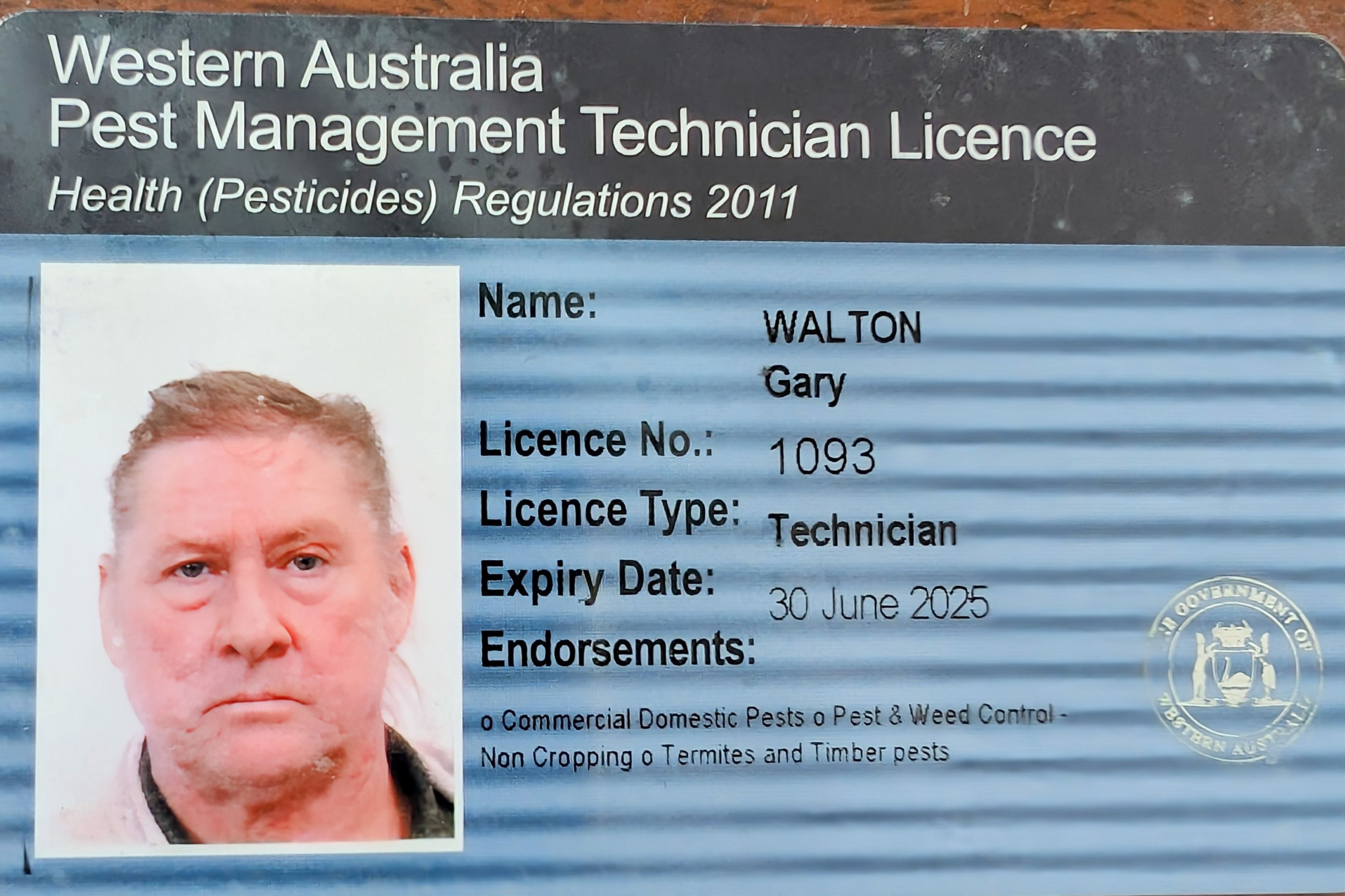
Call in a professional when weeds cover large areas, when declared species appear, or when herbicide use needs a licensed operator. Reactive removal after an infestation is always more expensive than scheduled prevention.
Prevention vs Reactive Removal: The Cost and Safety Case
Most competitors tell you prevention is cheaper. Few explain why, or what it actually protects. For a commercial property, the financial and legal case for scheduled weed management is the argument that gets budget approved, and it is the one the SERP largely ignores.
Why Reactive Removal Costs More
Reactive weed control is triggered by a problem, which means it is always urgent, always larger and always priced at a premium. The cost structure looks like this:
- Emergency call-out fees. Unscheduled visits carry mobilisation and after-hours charges that a scheduled program avoids.
- Larger treatment areas. By the time weeds are visible, seeds have already spread, so the treated area is bigger than it needed to be.
- Higher herbicide volumes. Mature, established weeds need more product and repeat applications than seedlings.
- Damage repair. Weeds in paving lift joints, crack asphalt and block drains; repairing hard surfaces costs far more than suppressing the weeds in the first place.
- Regulatory exposure. Declared pest plants left untreated can attract fines and forced remediation under the general biosecurity duty.
The Safety and Liability Angle
Weeds are not just an aesthetic problem on a commercial site. They create measurable risk:
- Slip and trip hazards. Weeds on walkways, stairs and car park edges trap moisture and obscure uneven surfaces, a common source of public liability claims.
- Sight-line obstruction. Overgrown kerbs, median strips and car park islands hide pedestrians, cyclists and vehicles, increasing the risk of collisions.
- Concealed structural damage. Dense growth hides cracked paving, subsiding beds and blocked drainage, so small defects become expensive repairs.
- Chemical exposure. Herbicide use near tenants, customers and staff carries its own duty-of-care obligations, which is why licensed application and accurate records matter.
- Fire load. Dry weeds against fences, bins and building edges are a genuine fire risk in summer.
A Seasonal Calendar Built Around Commercial Risk
A generic four-season list is not enough. Tie the calendar to the site's climate zone, the weed species present and the property's traffic patterns:
- Early spring: apply pre-emergent to paved areas and garden beds before germination; top up mulch; inspect for winter annuals.
- Late spring: remove any weeds that escaped before they flower; check kerbs, fence lines and bin areas.
- Summer: inspect high-traffic paved areas weekly; treat declared species on sight; watch for fire-load build-up against buildings.
- Autumn: clear garden beds, check drainage lines and remove seed heads before they drop.
- Winter: review records, plan next season's controls, service equipment and schedule licensed applications.
Frequently Asked Questions
What is the most effective way to control the growth of weeds on a commercial property?
The most effective approach combines several methods rather than relying on one. An integrated weed management plan uses pre-emergent treatment to stop seeds germinating, mechanical removal for established plants, mulching to suppress regrowth, and regular site inspections to catch new growth early. This layered strategy depletes the seed bank over time, which is what makes preventing weed growth sustainable rather than a constant battle against the same patches.
How does the Biosecurity Act impact commercial weed management responsibilities?
Under the Biosecurity Act, landowners and occupiers have a general biosecurity obligation to take reasonable steps to prevent the spread of invasive species, including declared weeds. For commercial properties, this means you cannot allow known invasive species to spread from your site to neighbouring land. Failure to act can result in penalties and remediation orders. Your obligations vary by state and by which species are declared, so check your local requirements or ask a commercial weed control services provider.
How can mulching and physical barriers prevent weed growth on industrial sites?
Mulching works by blocking sunlight that weed seeds need to germinate, and a depth of 75-100mm is generally needed for effective suppression. Physical barriers such as woven geotextile fabric under gravel or garden beds provide a longer-term block. On industrial sites, combining both with regular inspections of hardstand edges and drainage lines catches problems before they establish. Neither method eliminates weeds entirely, so periodic spot treatment is still required.
When should professional weed eradication services be engaged?
Engage a professional when weeds cover large areas, when declared or invasive species are present, when chemical application requires licensed operators, or when your site has failed an inspection. Commercial weed control services also make sense for ongoing maintenance across multiple properties where you need documented compliance. A free site assessment will identify whether the problem needs a one-off treatment or a scheduled program.
Weed control on a commercial site is a year-round job, and falling behind costs more than keeping up. Challenge Pest Control has handled weed eradication and pest management for commercial clients since 1987, with fully insured work, guaranteed results and 24/7 availability. Call 0422926291 to book a free quote and get a maintenance plan built around your site.